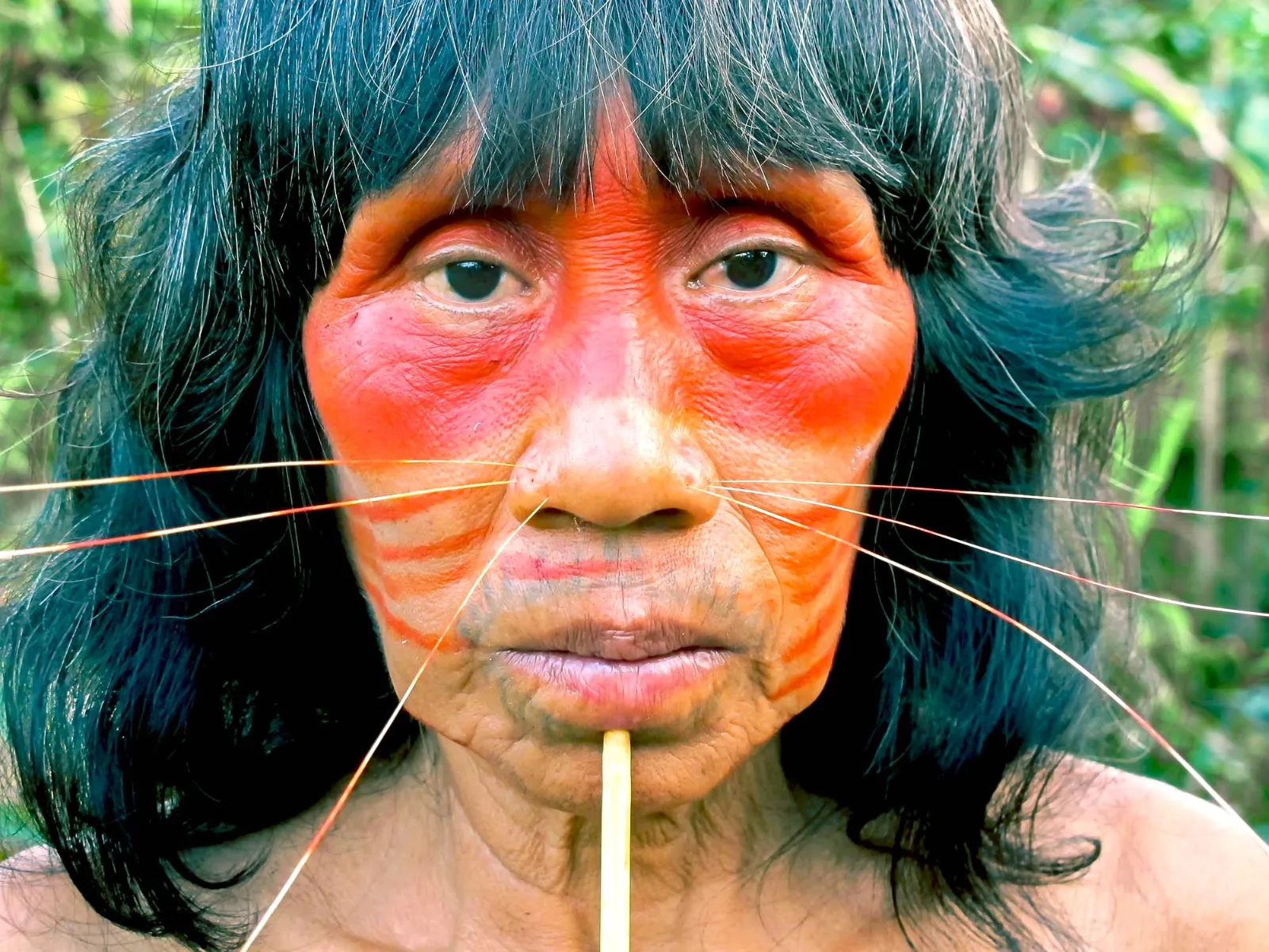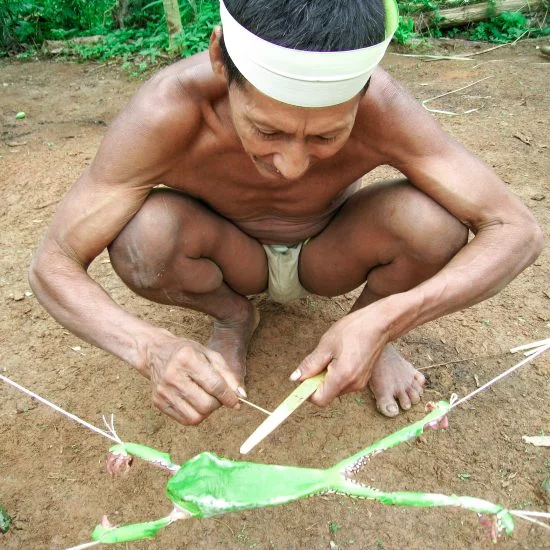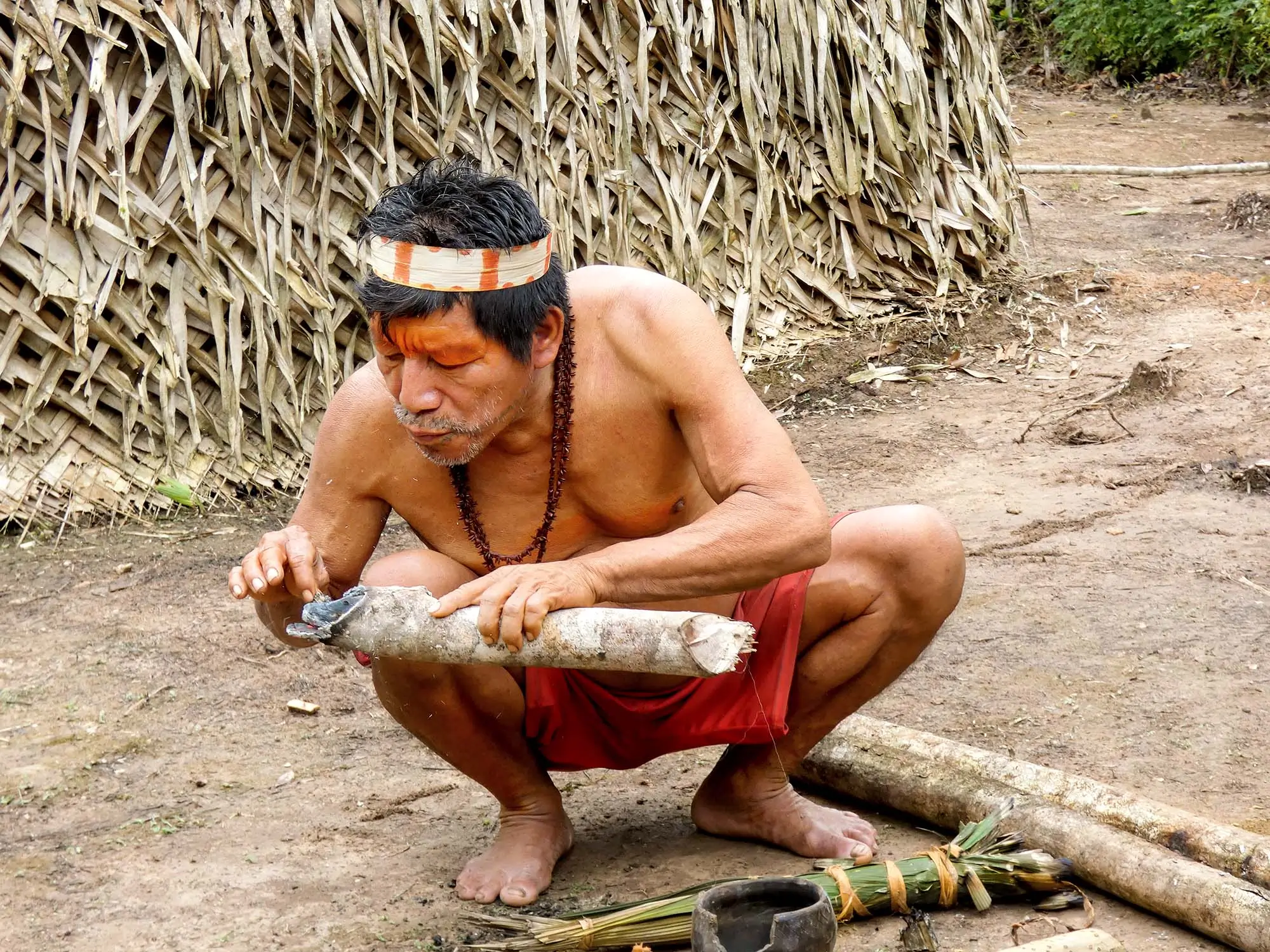
Daily life in the Matsés territory (Javari Basin, Amazon Rainforest)
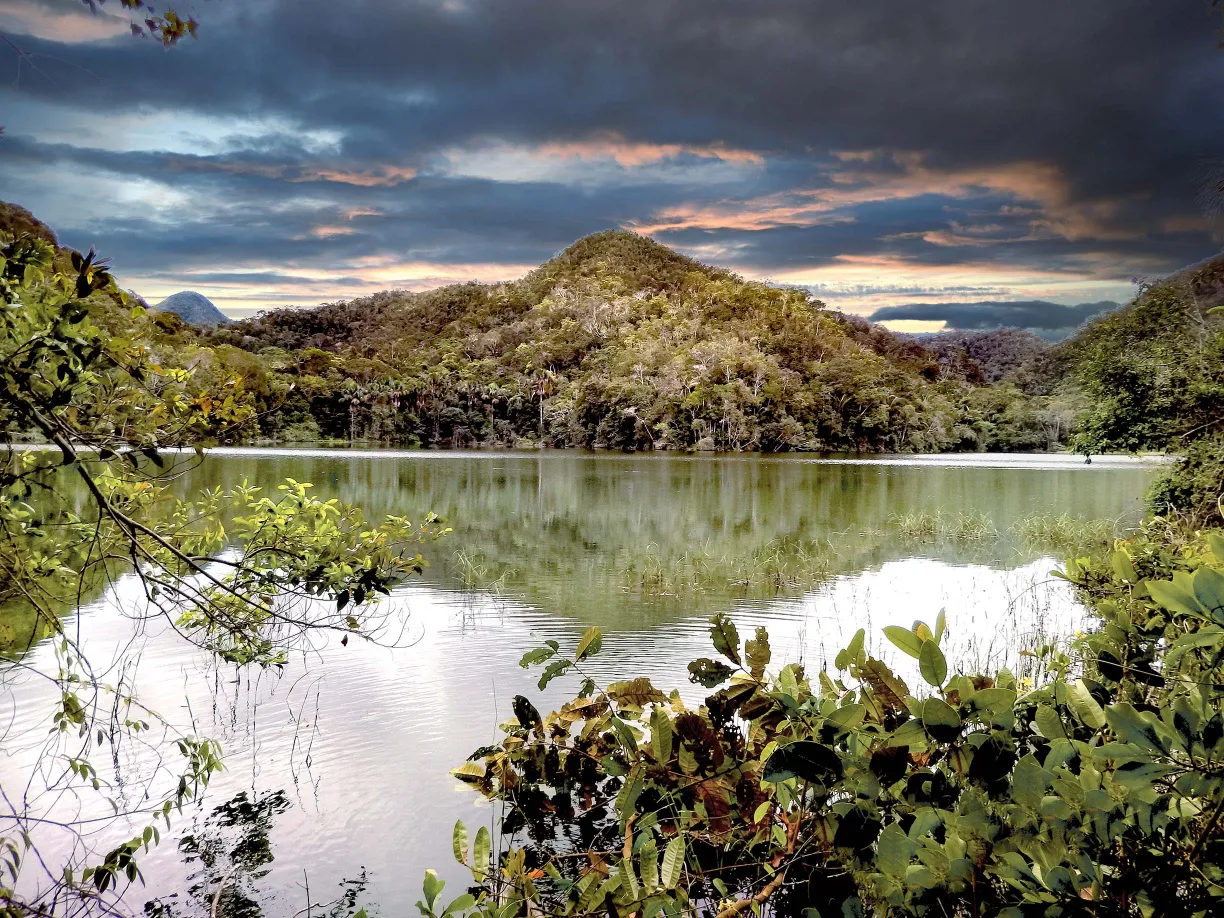
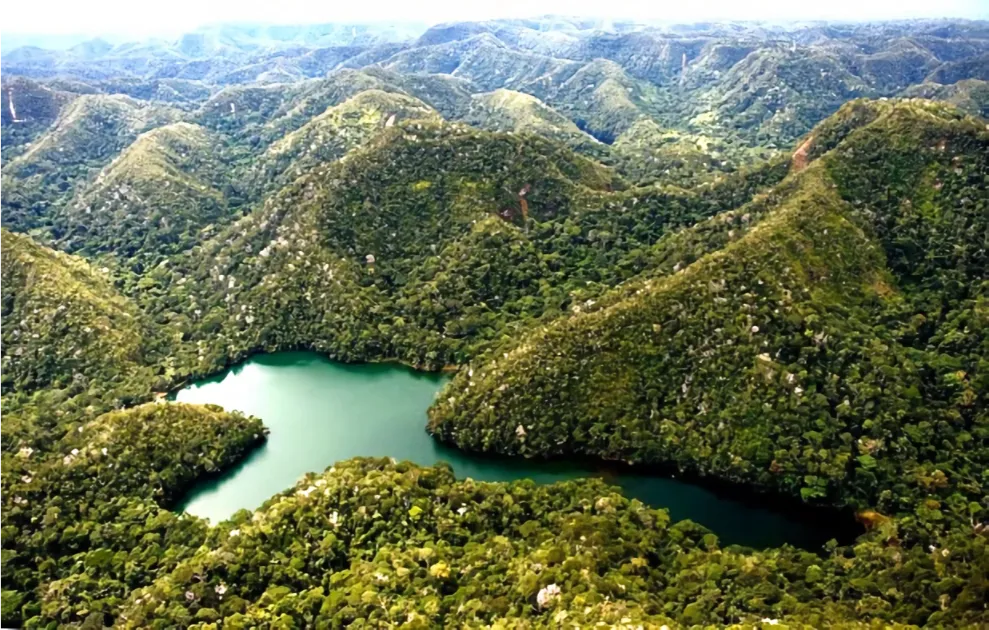
The daily life of the Matsés people is deeply interconnected with the Amazon rainforest of the Javari River Basin, on the border between Peru and Brazil. Their social organization, subsistence systems, and mobility patterns are directly shaped by the balance between rivers, forest ecosystems, and seasonal cycles.
In this remote region of the western Amazon, the rainforest is not only a physical environment, it is also a living space for learning, survival, and cultural transmission across generations of Matsés families.
Hunting in the Amazon rainforest: deep ecological knowledge
Hunting is one of the most important subsistence activities in Matsés daily life. Beyond its role as a food source, it represents a sophisticated system of ecological knowledge deeply rooted in observation, experience, and intergenerational learning.
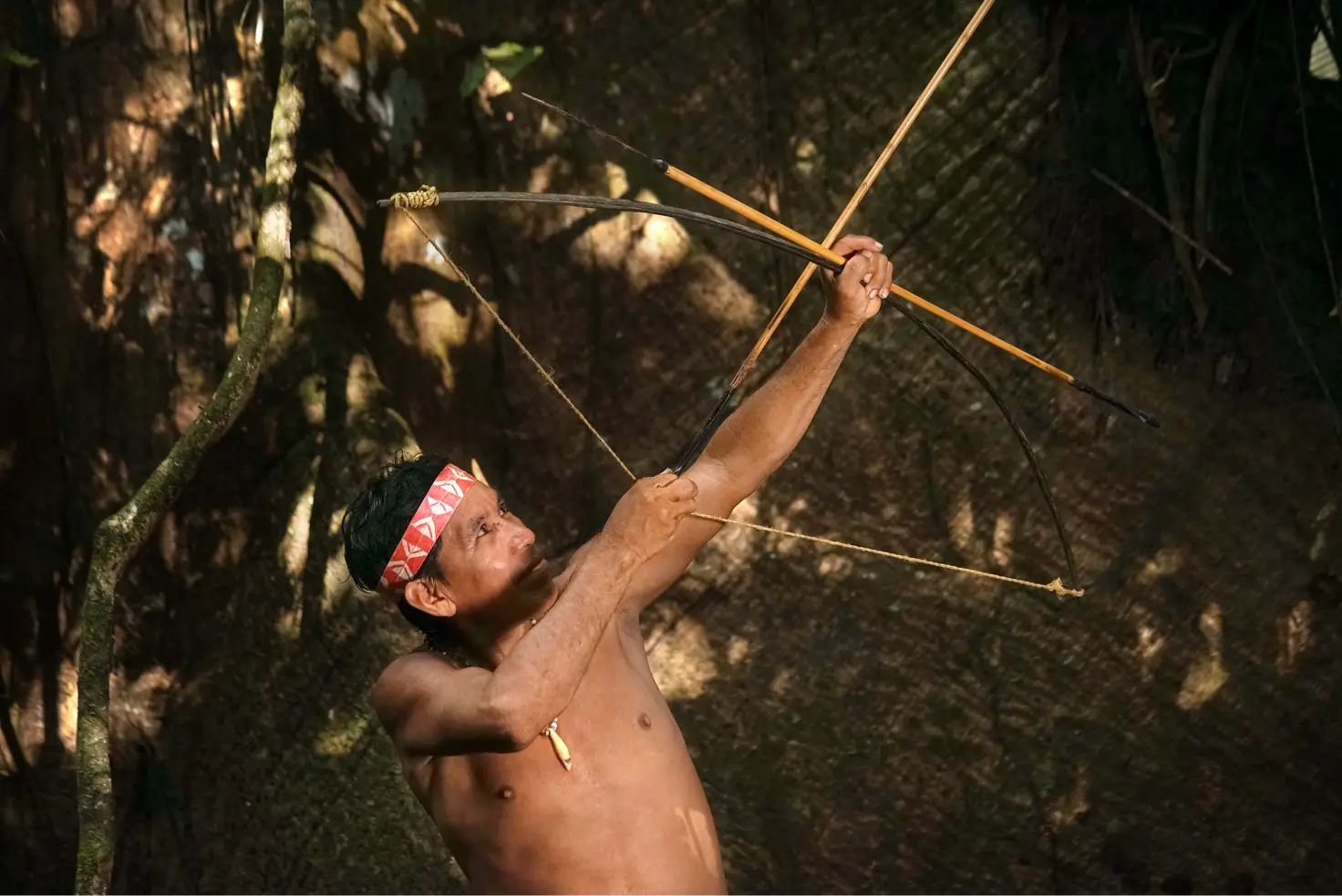
Commonly hunted species include monkeys, pacas, peccaries, tapirs (Amazonian danta), forest birds, and other mammals of the western Amazon rainforest. Matsés hunters use traditional techniques and contemporary adaptations, including traps, hunting dogs, and bows and arrows, along with the widespread use of firearms, particularly shotguns.
Hunting requires an intimate understanding of the forest: hunters track animal footprints, interpret sounds, recognize feeding patterns, and identify areas of seasonal abundance. This makes hunting not only a survival activity but also a specialized form of ecological expertise within the Matsés territory.
Family participation in hunting and forest life
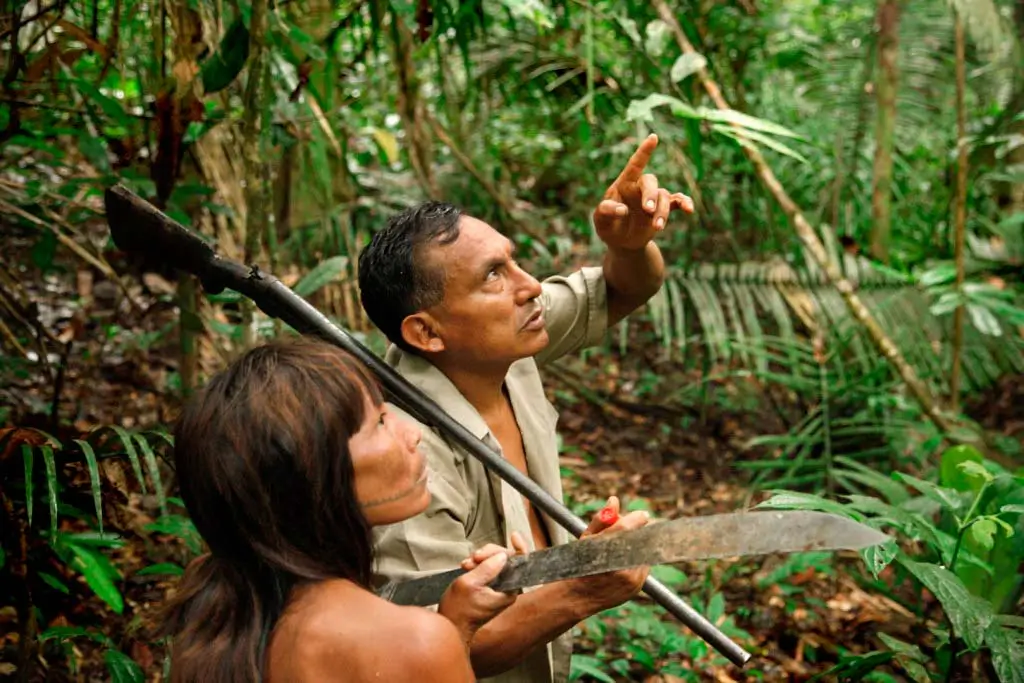
Unlike many Indigenous groups in the Amazon, hunting among the Matsés often involves broader family participation.
Women actively take part in different stages of the hunting process, accompanying hunters, helping locate game, and assisting in tracking and recovery. This reflects a collective model of subsistence in which knowledge and labor are shared within family networks.
Children are also introduced to forest life from an early age. Through daily observation and participation, they gradually learn to identify animals, plants, trails, and environmental patterns across the Amazon rainforest, ensuring the transmission of ecological knowledge across generations.
Fishing in rivers, lakes, and tributary streams of the Javari River Basin
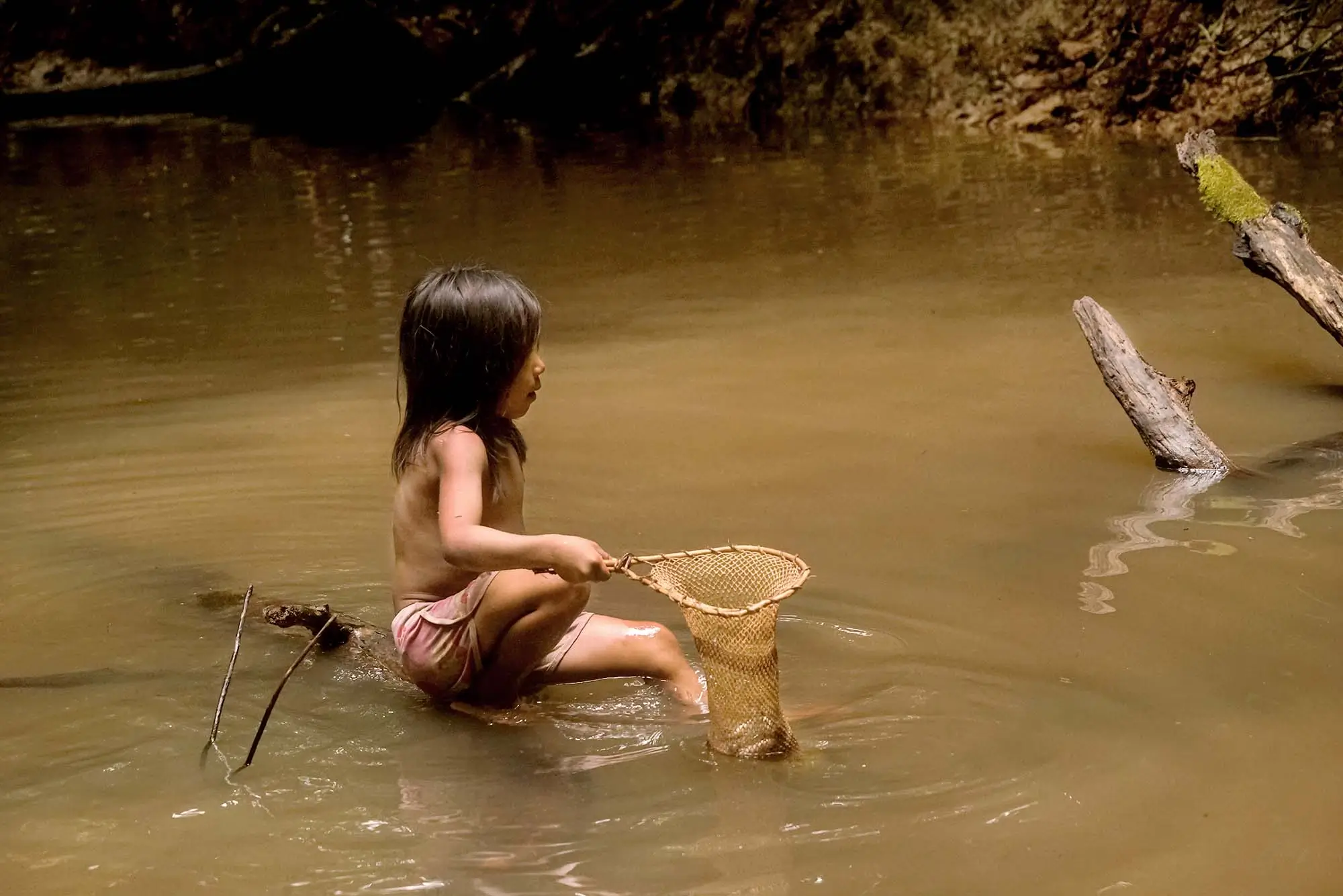
Fishing is another essential activity in Matsés daily life, especially during the seasonal lowering of river levels in the Javari Basin.
Families engage in both individual fishing and collective expeditions in lakes, streams, and small tributaries (locally known as igarapés) throughout their territory. raditional fishing techniques include flexible forest rods, nets, harpoons, and plant-based methods that temporarily affect fish behavior in specific water areas.
Fishing not only complements the diet but also reinforces the constant relationship between the Matsés and the river systems that structure life in the Amazon rainforest.
Gathering and use of forest resources
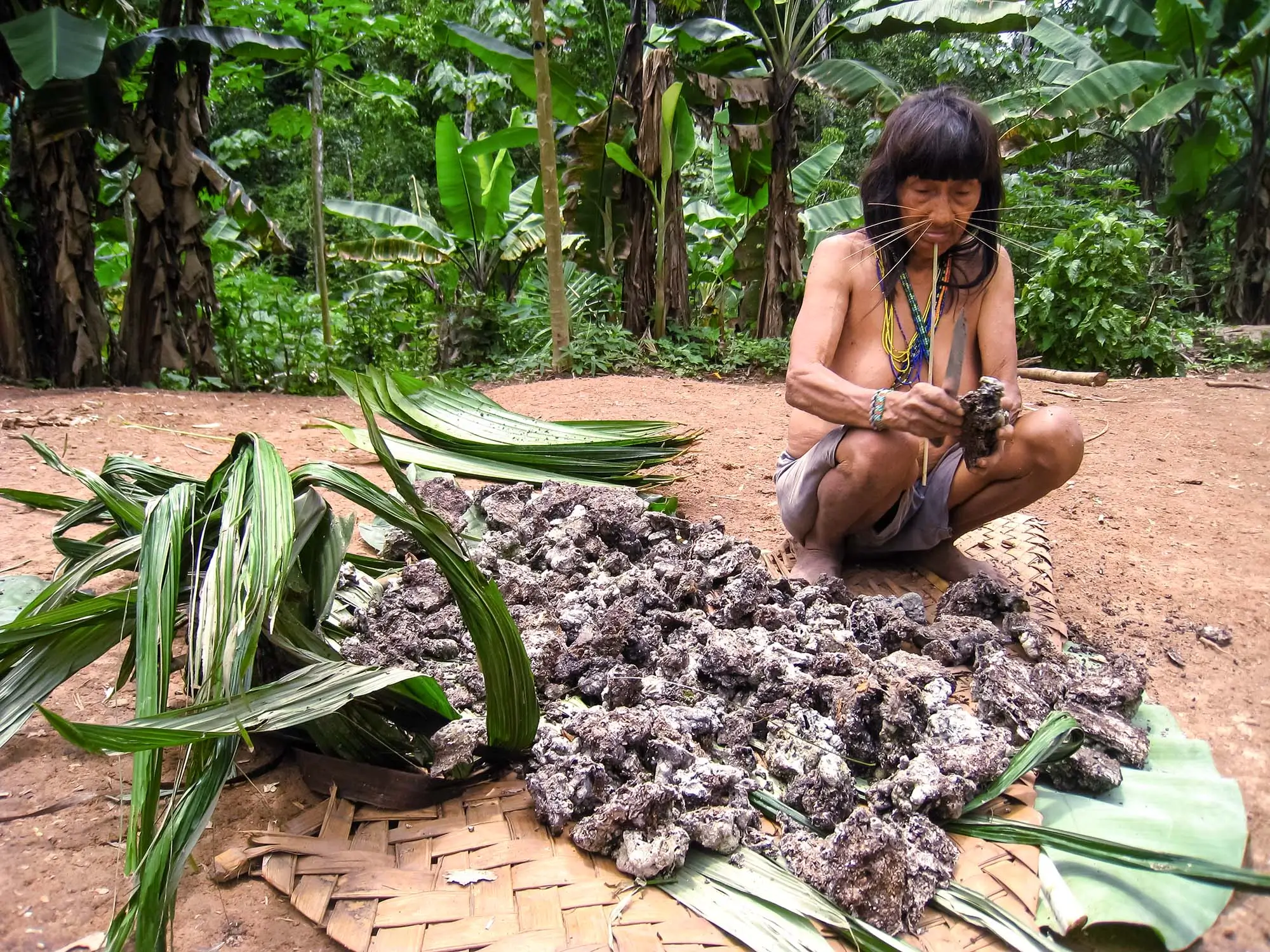
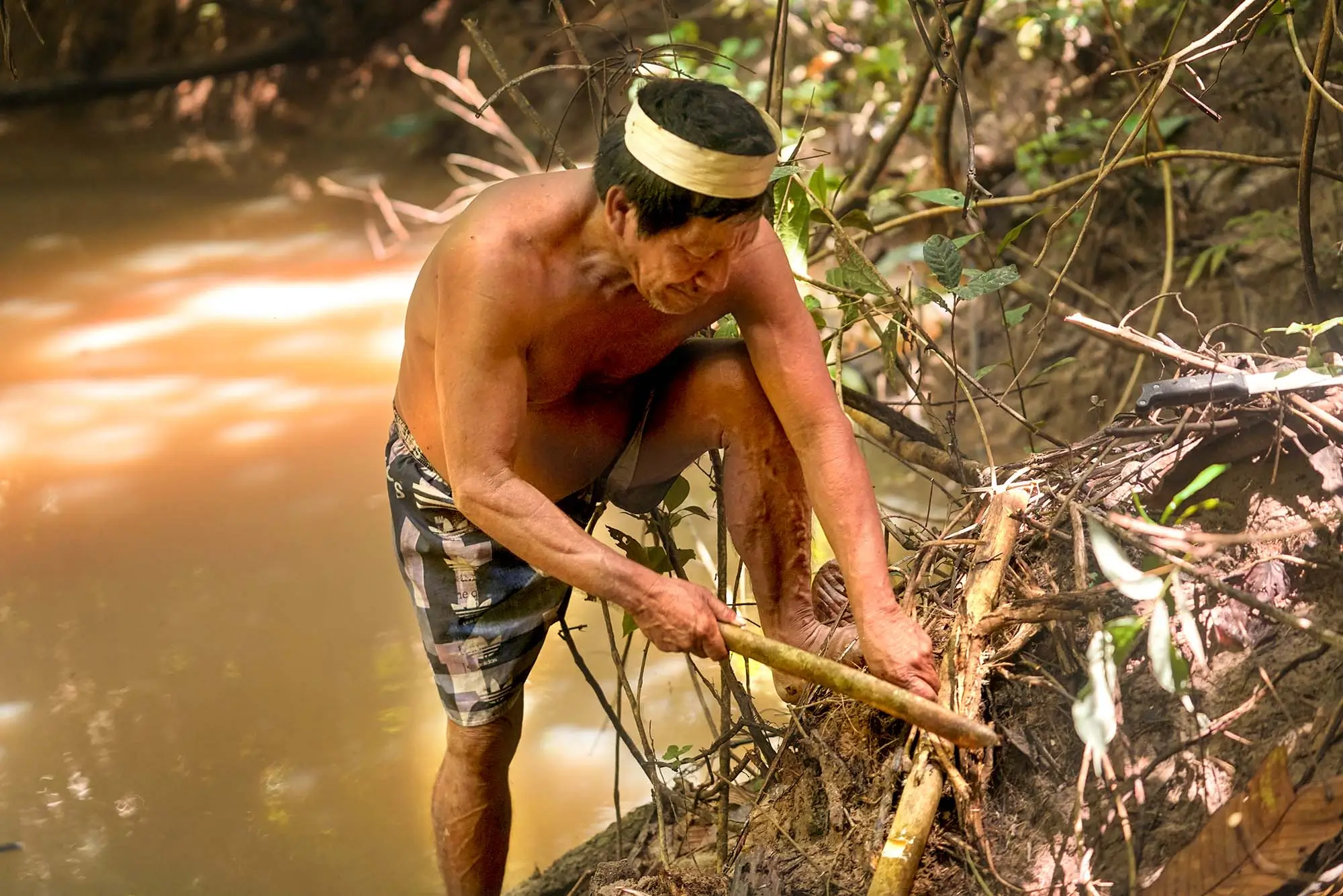
In addition to hunting and fishing, Matsés families rely heavily on gathering forest resources such as fruits, roots, palms, and medicinal plants.
Family gardens (chacras) play a central role in this subsistence system. In these cultivated plots, communities grow staple crops such as cassava (manioc), plantains, maize, and various Amazonian fruits.
This integrated system of cultivation, gathering, hunting, and fishing reflects a highly adaptive subsistence strategy, closely aligned with the ecological cycles of the western Amazon rainforest.
Matsés social organization and kinship systems
Matsés society is organized into extended family groups based on strong kinship ties and a predominantly patrilocal structure. Family relationships shape daily life, labor cooperation, and resource distribution across communities.
Rather than rigid hierarchies, Matsés social organization is based on flexible kinship networks that define responsibilities, marriage alliances, and patterns of coexistence within and between villages.
This structure ensures strong social cohesion even in contexts of territorial dispersion across the Javari Basin.
Malocas: traditional communal life in the Amazon
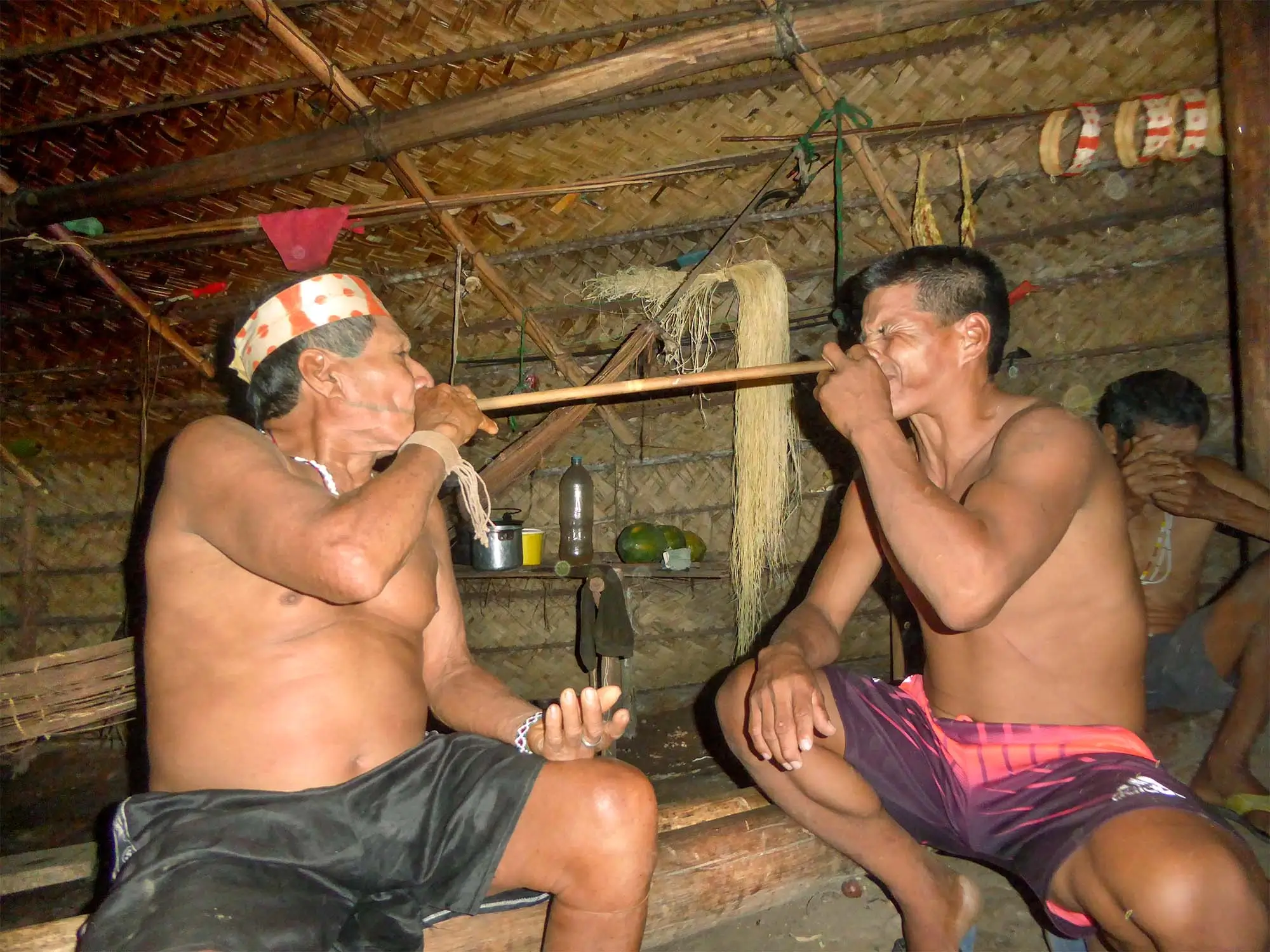
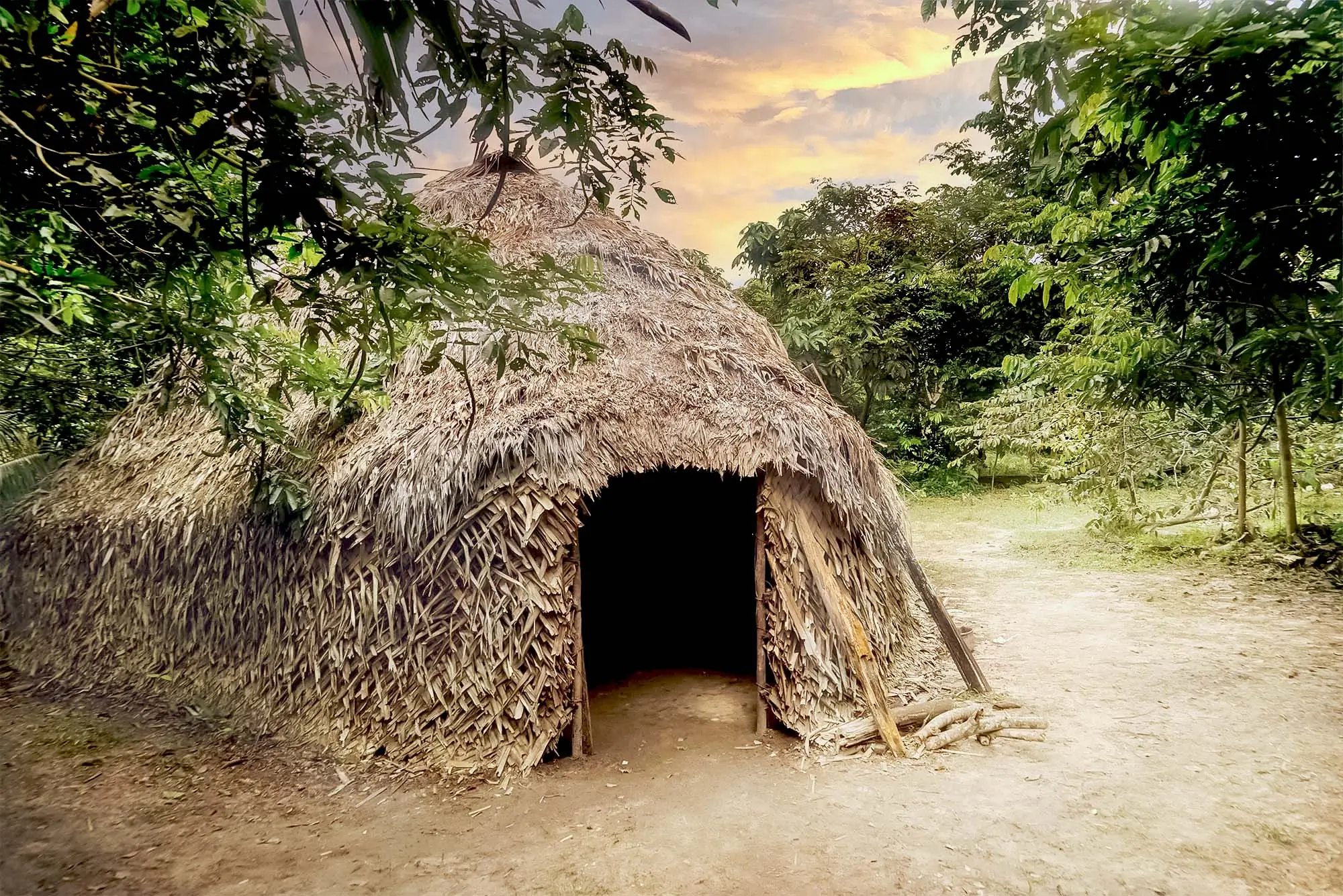
Traditionally, malocas have been the central social and residential structures of Matsés life in the Amazon rainforest. These large communal houses sheltered multiple related families, organized into internal compartments.
The maloca functioned not only as a dwelling but also as a space for social gatherings, knowledge transmission, decision-making, and collective organization.
Although many contemporary communities now live in individual houses, the principles of communal living, cooperation, and extended family interaction remain fundamental in several Matsés villages across the Javari River region.
Mobility and territorial use in the Amazon rainforest
The Matsés territory is not limited to a single fixed settlement. Families move continuously between villages, chacras, hunting areas, and forest zones according to seasonal cycles and resource availability.
This high level of mobility enables a sustainable and balanced use of the Amazon rainforest, preventing overexploitation of specific areas and maintaining ecological diversity across their territory.
Mobility also strengthens deep forest knowledge and reinforces their connection to a vast landscape that includes rivers, tributaries, and interfluvial zones of the western Amazon.
👉 In Part 4
Next, we will explore the Matsés worldview (cosmovisión), including their dual social system, spiritual relationships with animals, ritual practices, and cultural knowledge systems that shape life in the Amazon rainforest.