Matsés worldview in the Javari River Basin (Peru–Brazil Amazon)
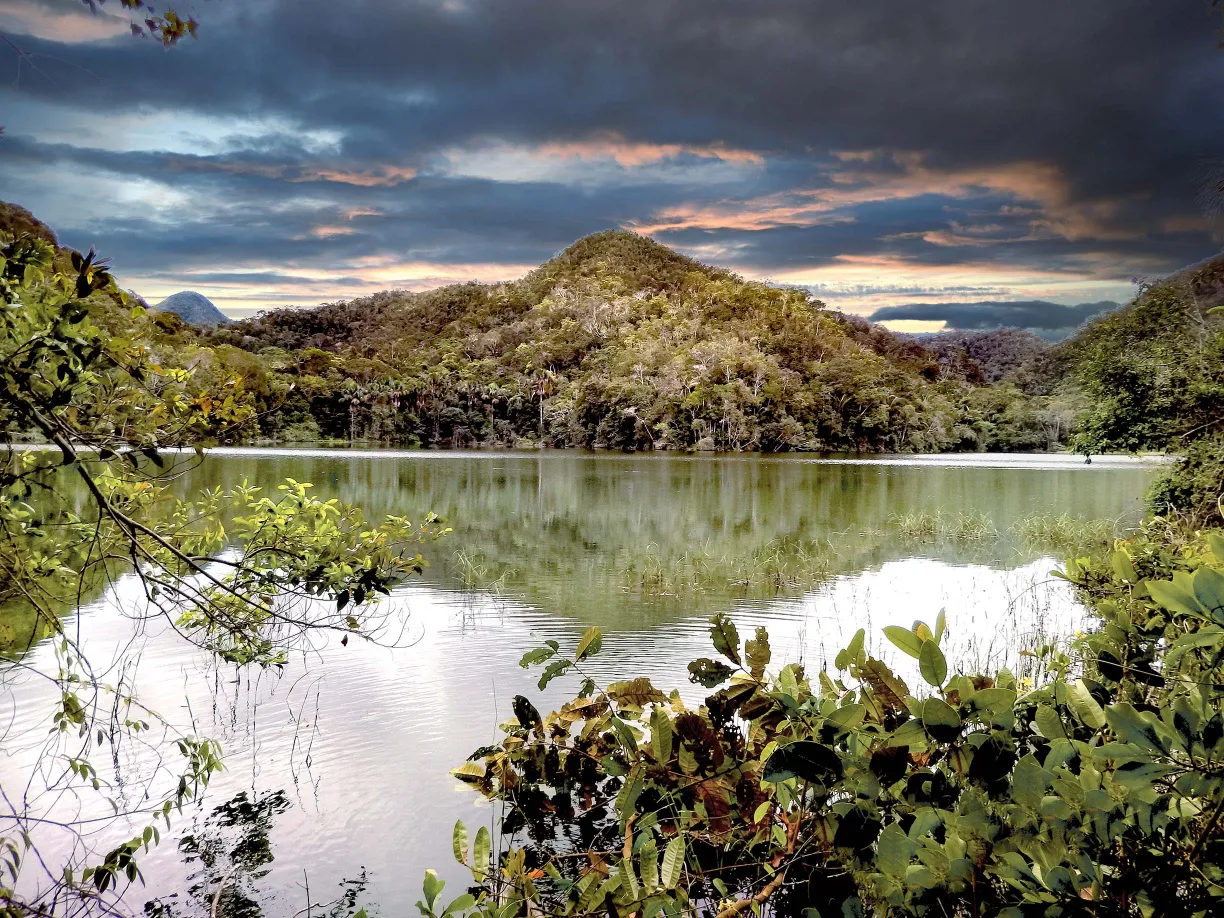
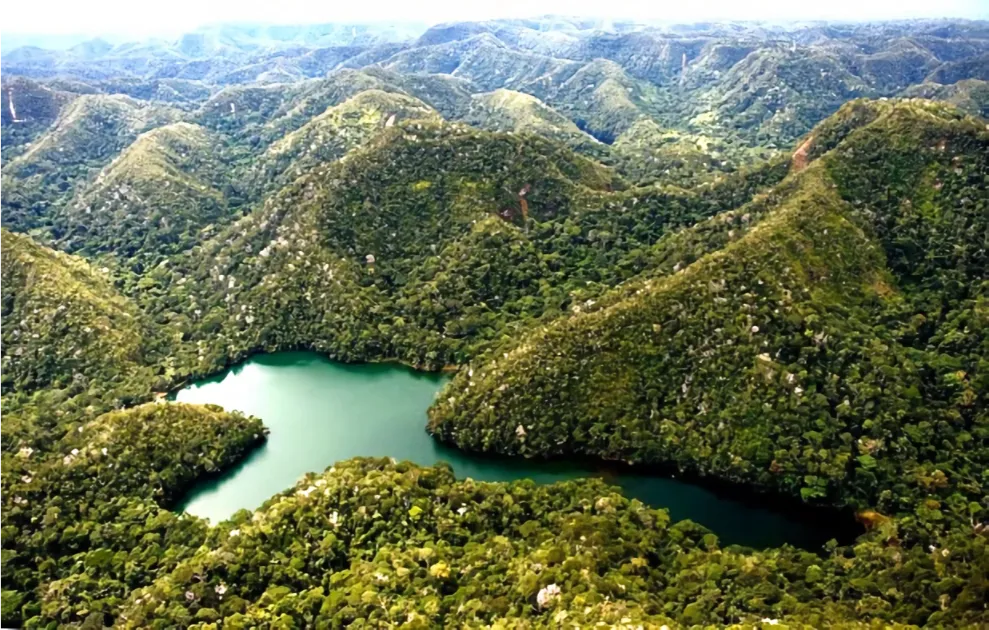
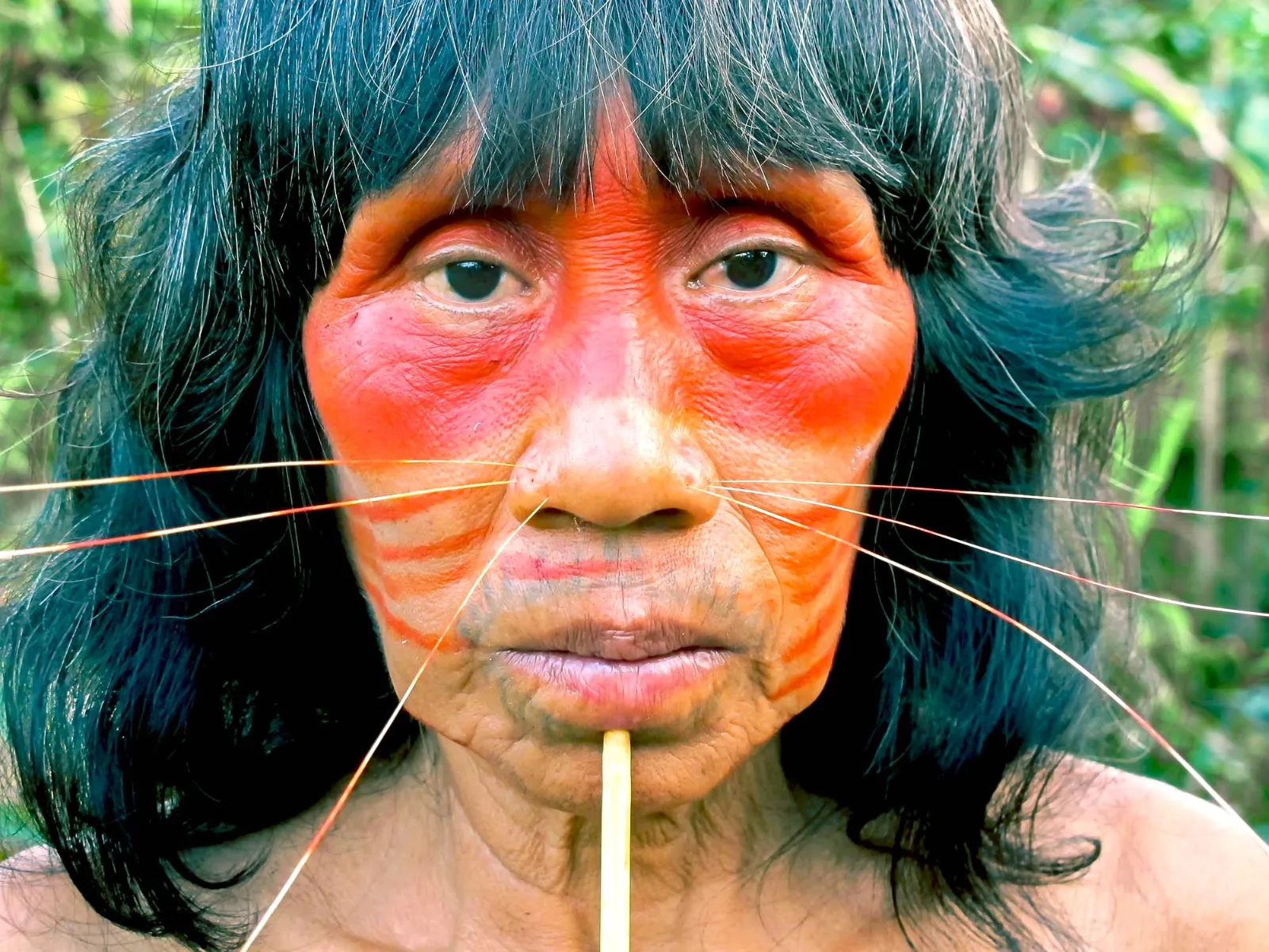
The Matsés people of the Amazon rainforest, located in the Javari River Basin on the border between Peru and Brazil, maintain a deeply interconnected worldview in which humans, animals, plants, and spiritual forces are part of a single living system.
For the Matsés, the Amazon rainforest is not a passive environment but an active and sentient space that shapes daily life, survival, and cultural identity. Every element of the forest is understood to have meaning, intention, and relational value.
This holistic Amazonian worldview is the foundation of Matsés hunting practices, traditional medicine, social organization, and spiritual life across one of the most biodiverse regions of the western Amazon.
Matsés social dualism and cultural organization
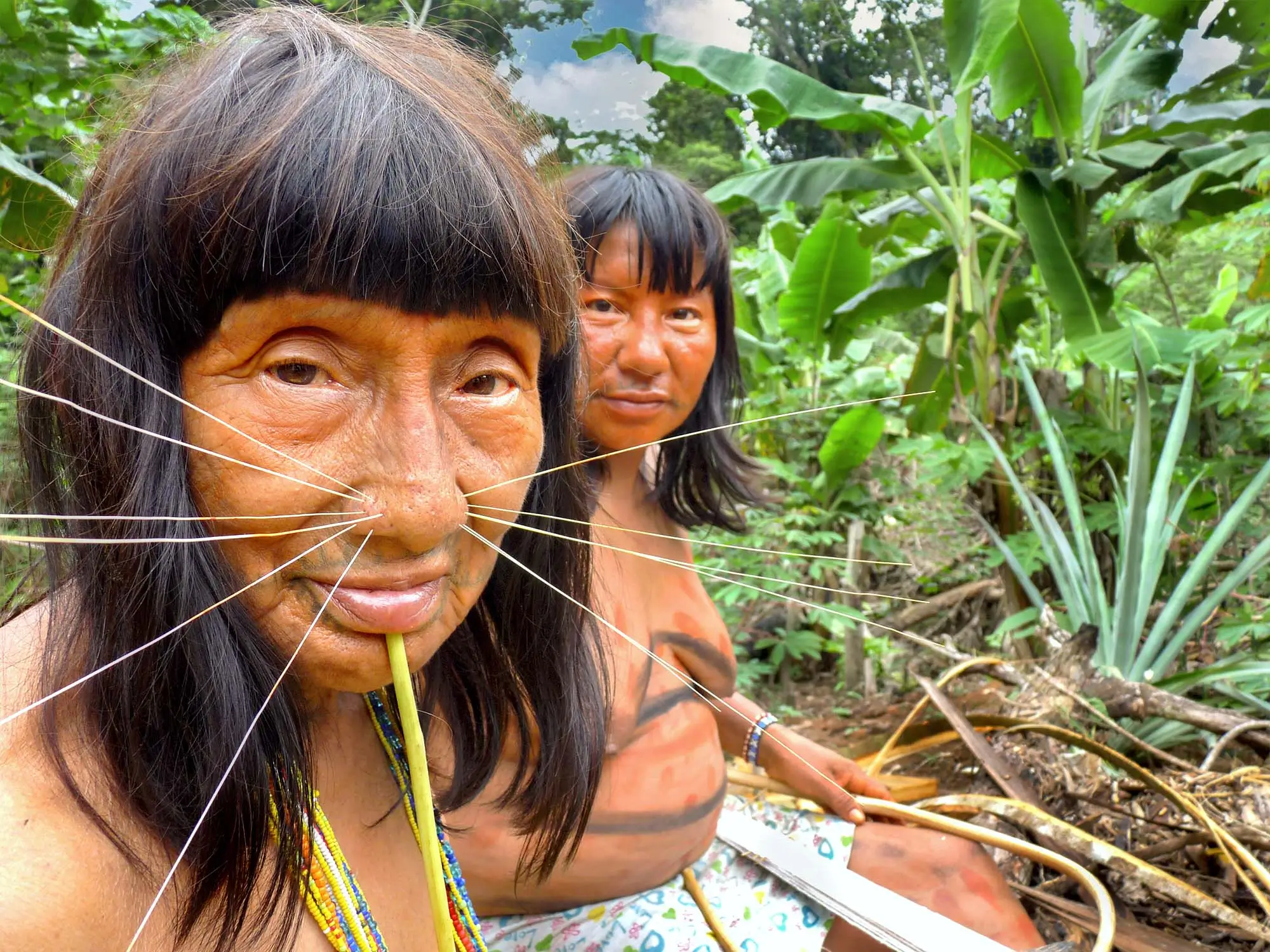
Matsés society is structured through a symbolic dualistic system that organizes relationships between people, nature, and the spiritual world of the Amazon rainforest.
These dual categories are not rigid social classes, but flexible cultural frameworks used to interpret behavior, kinship relations, marriage patterns, and interactions with the forest environment.
This system is also reflected in the way the Matsés understand the rainforest, their territory, and the beings that inhabit it, where animals and spaces are not seen merely as resources, but as elements with specific roles and meanings within their culture.
Human–animal relationships in Matsés Amazonian culture
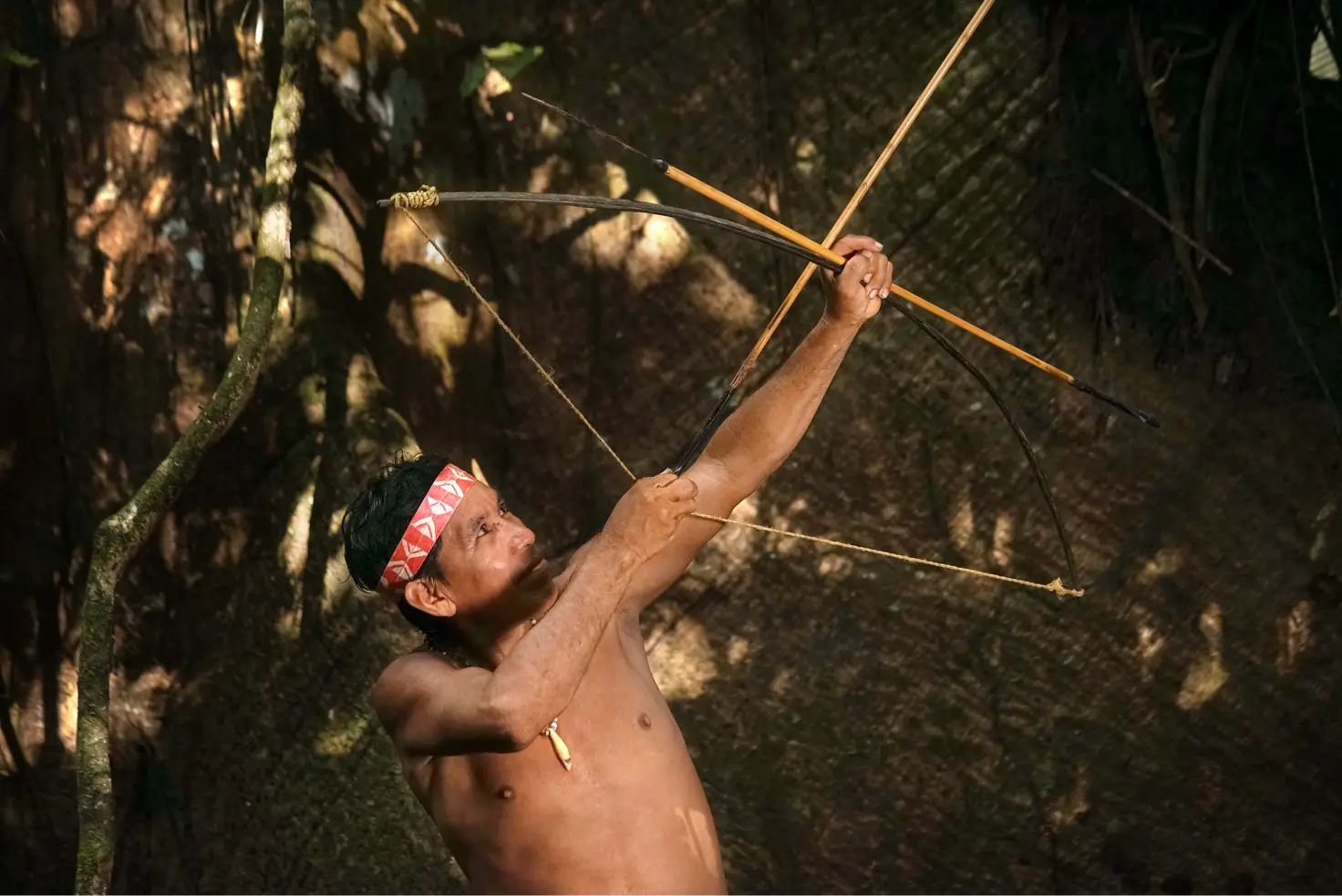
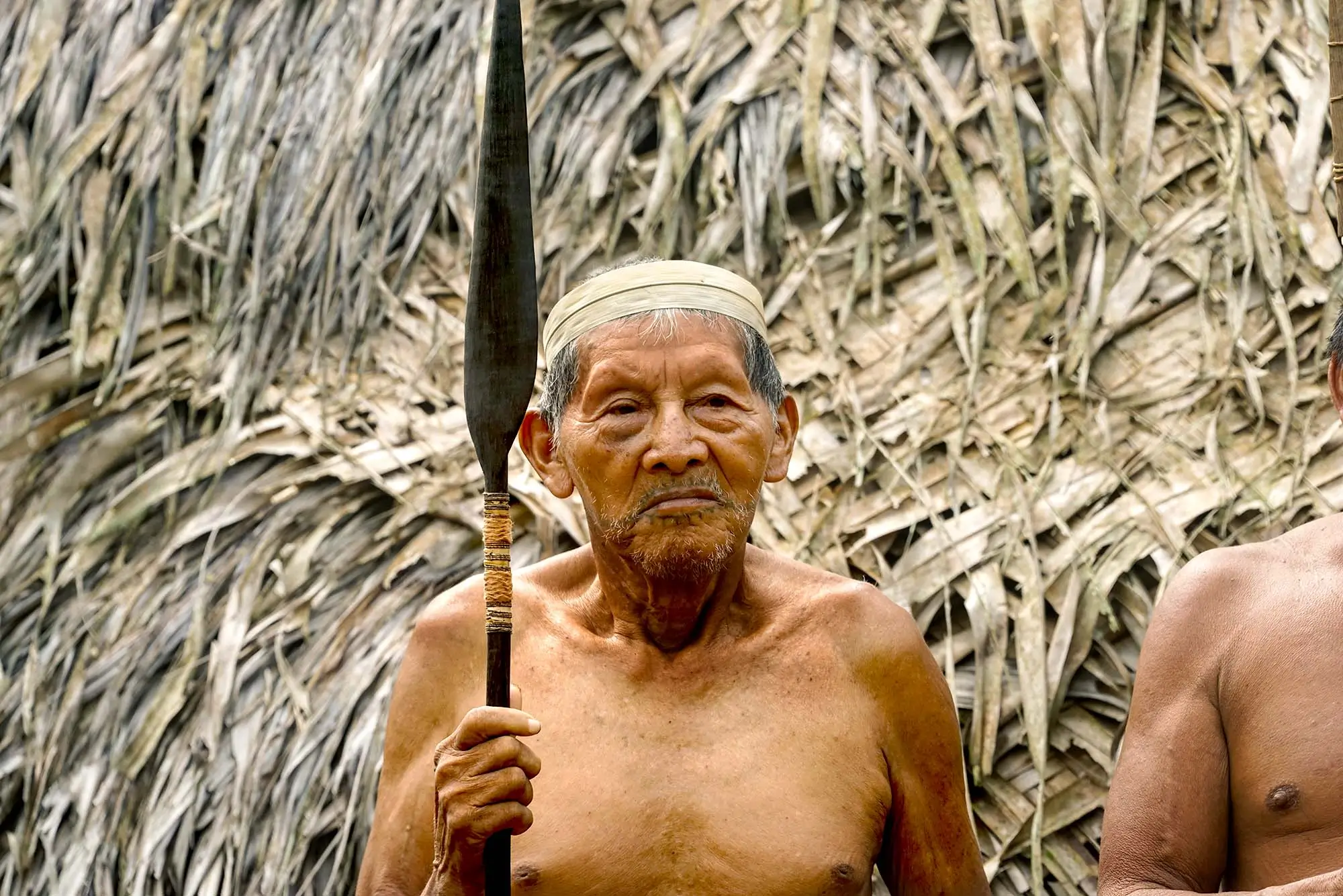
In Matsés cosmology, animals of the Amazon are not seen merely as subsistence resources, but as living beings with awareness, agency, and defined roles within the forest ecosystem.
Hunting practices in Matsés territory are therefore guided by cultural rules, ethical restrictions, and traditional knowledge passed down through generations.
These may include taboos associated with specific stages of life, such as pregnancy or the early years of a child’s life, during which there may be restrictions on the consumption of or interaction with certain animals.
This relationship establishes a balance between subsistence needs and respect for the natural environment, reinforcing an ethic of coexistence within the Amazon rainforest.
Traditional tobacco use in Matsés rituals
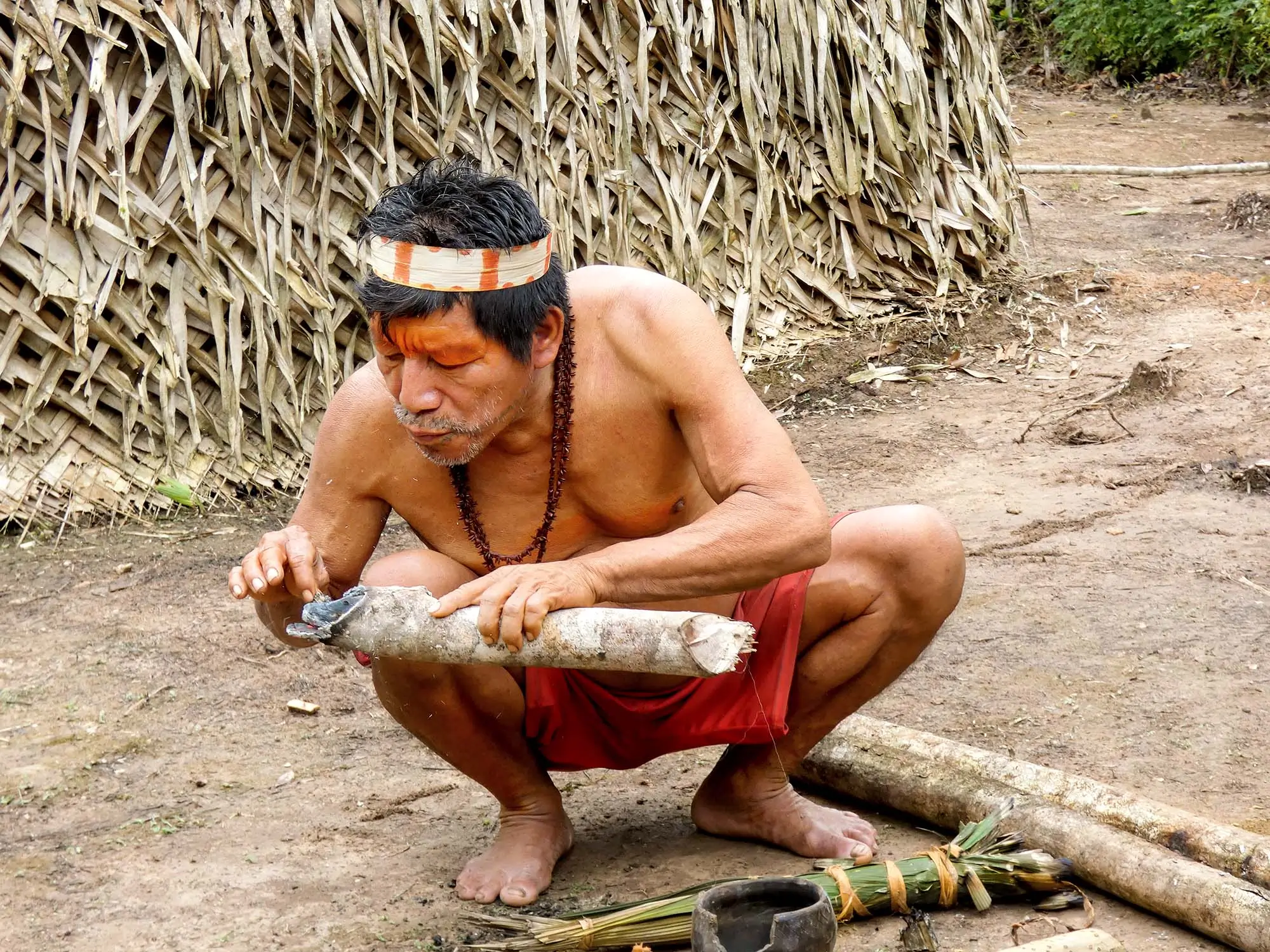
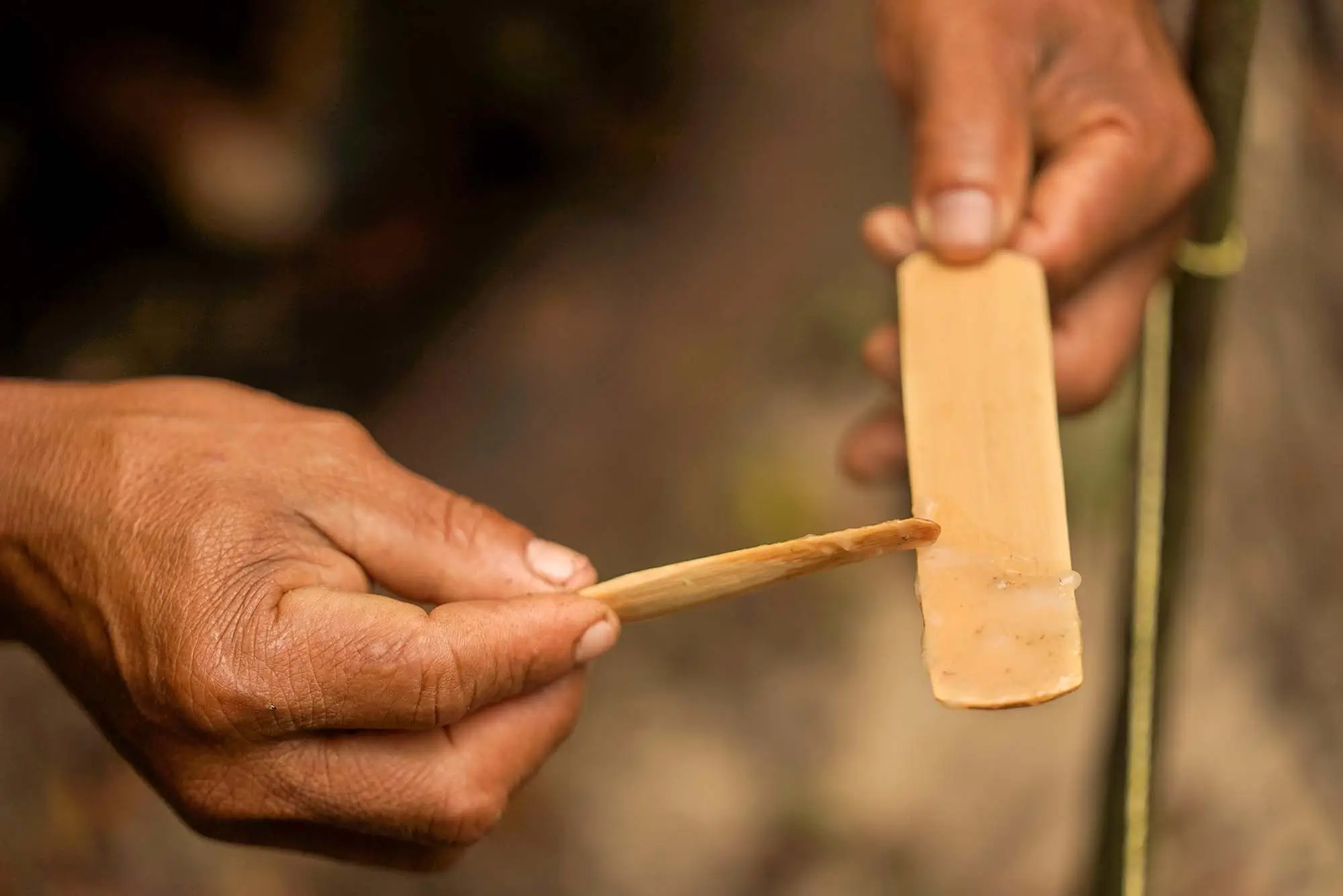
Tobacco holds a central place in Matsés cultural and spiritual practices in the Amazon.
It is used in ritual contexts, healing processes, and as a medium of communication with the natural and spiritual dimensions of the rainforest.
Rather than being a recreational substance, tobacco is traditionally understood as a powerful plant used for protection, cleansing, strengthening the body, and maintaining balance between physical and spiritual health in Matsés communities.

Matsés traditional medicine and Amazonian plant knowledge
The Matsés people possess extensive ethnobotanical knowledge of Amazonian medicinal plants, developed through generations of life in the rainforest.
Their traditional medicine system includes plant-based remedies used to treat infections, fever, pain, digestive issues, and other health conditions common in the Amazon environment.
This knowledge is transmitted orally from elders to younger generations, ensuring the continuity of one of the most detailed traditional medical systems in the western Amazon.
Kambo (frog secretion) and cleansing practices in the Amazon
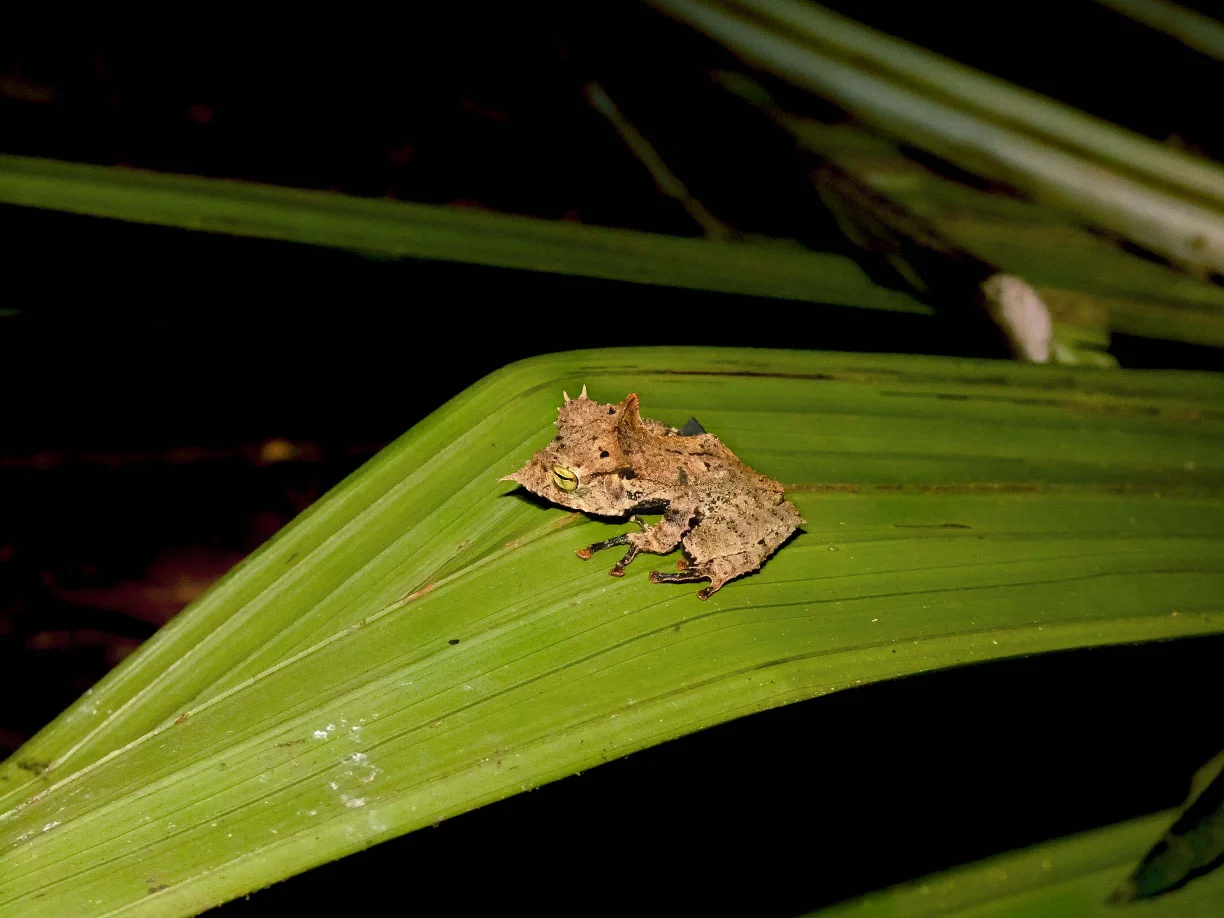
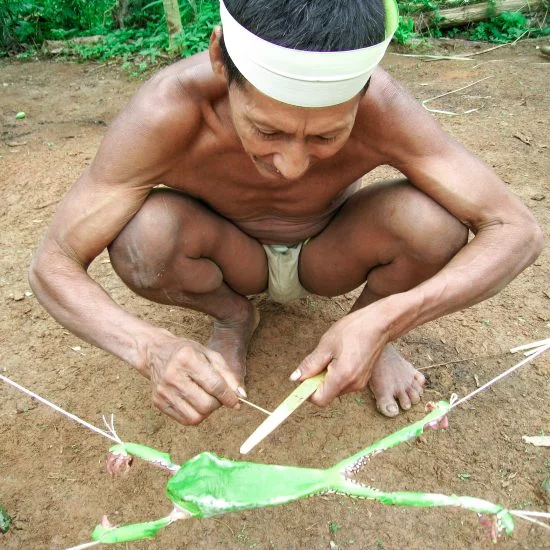
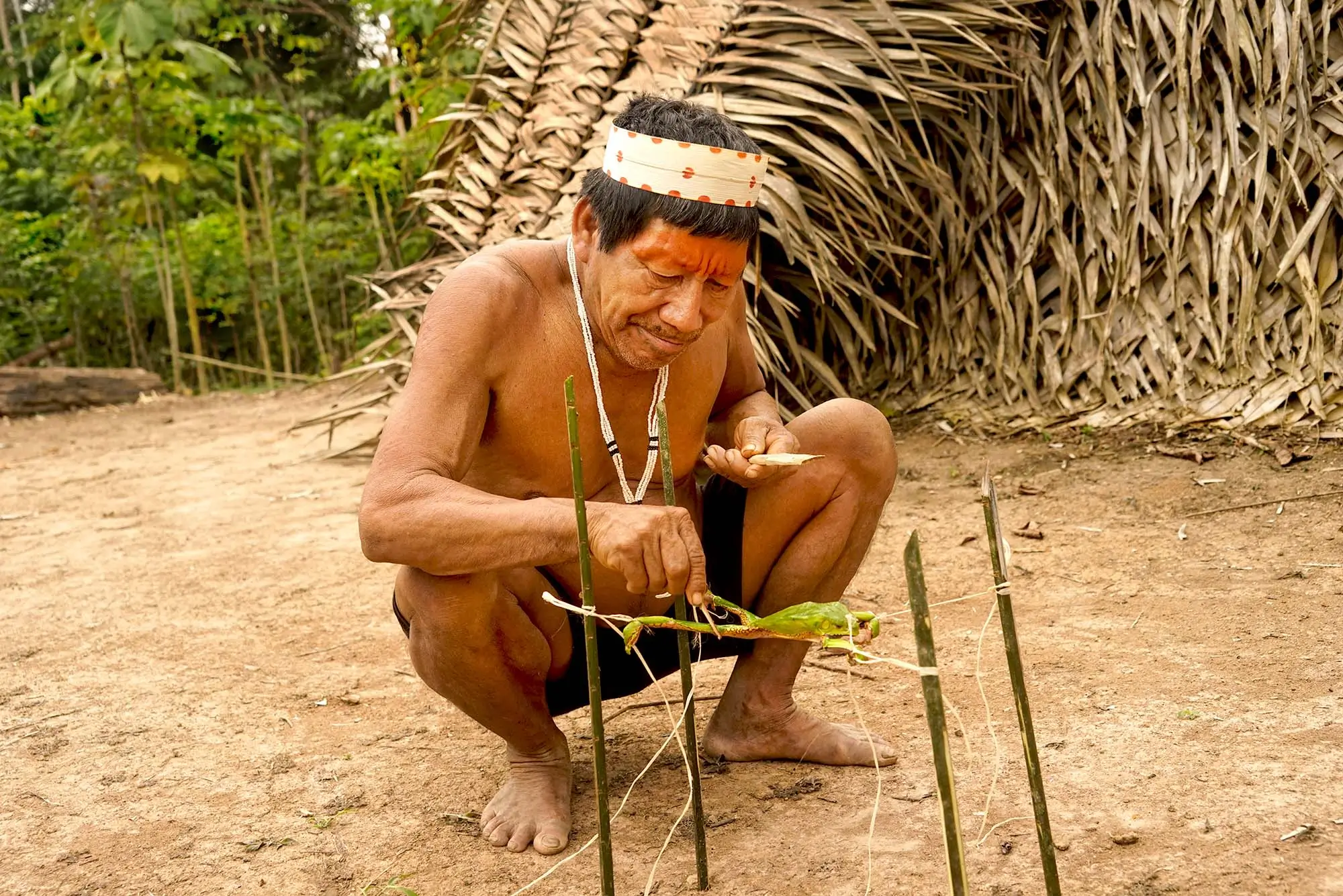
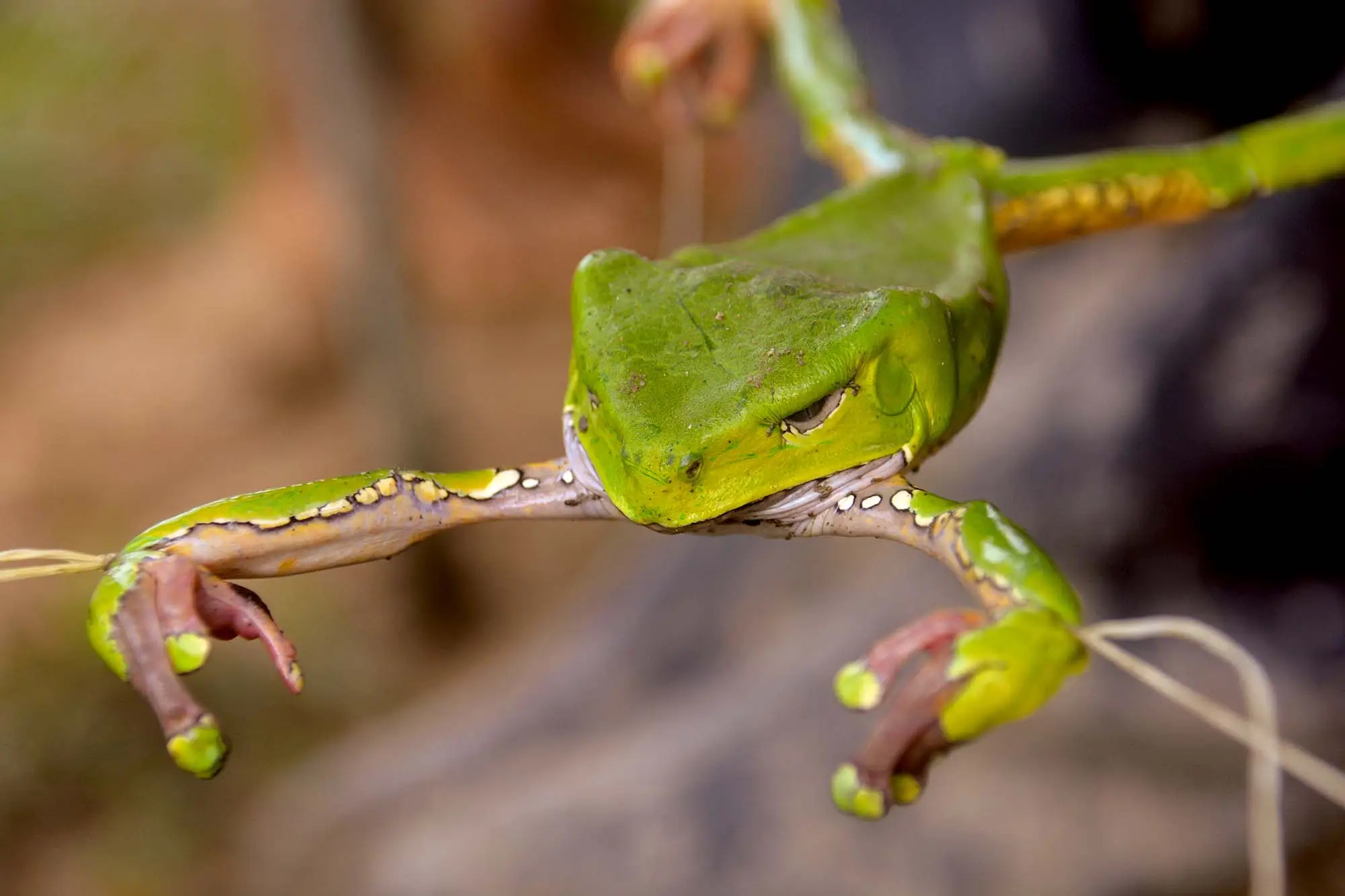
One of the most well-known Matsés traditional practices is the use of frog secretion, commonly known as kambo.
This practice is traditionally used in ritual contexts associated with physical cleansing, endurance, and body purification in the Amazon rainforest.
Within Matsés culture, kambo is part of a broader system of strengthening the body and preparing individuals for demanding activities such as hunting and long journeys in the forest.
Continuity of Matsés culture in the Amazon rainforest
Despite historical changes and increasing external contact, Matsés cosmology, traditional medicine, and cultural practices remain strongly present in daily life across the Javari Basin.
Their worldview continues to guide how they interact with the Amazon rainforest, hunt animals, use medicinal plants, and understand health, illness, and spiritual balance.
This cultural continuity reflects the resilience of the Matsés people and their deep, ongoing relationship with one of the most complex ecosystems on Earth.
👉 Next section (Part 5)
In Part 5, we will explore the contemporary reality of the Matsés people: health, education, territorial challenges, and the pressures they face in the modern Amazon.