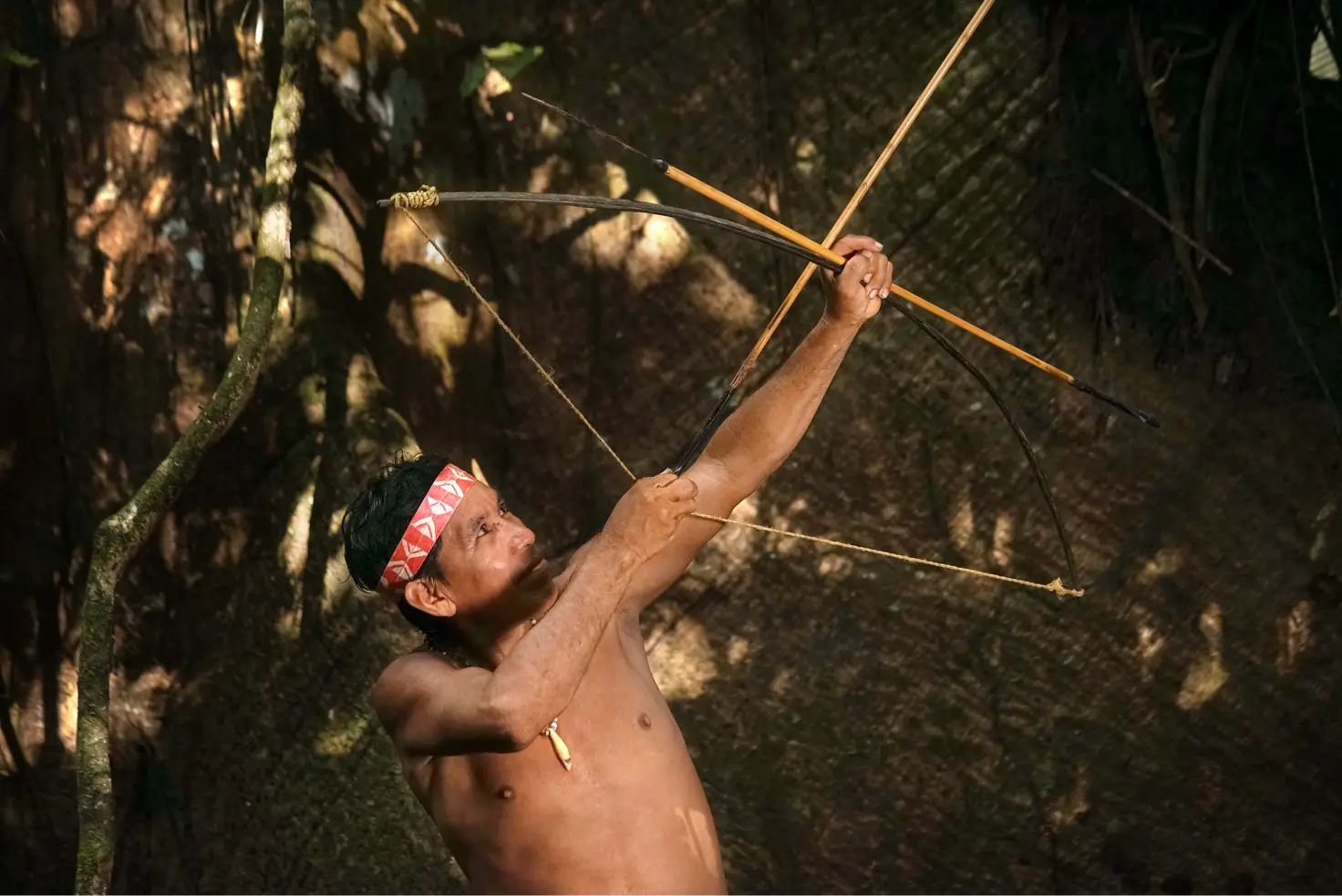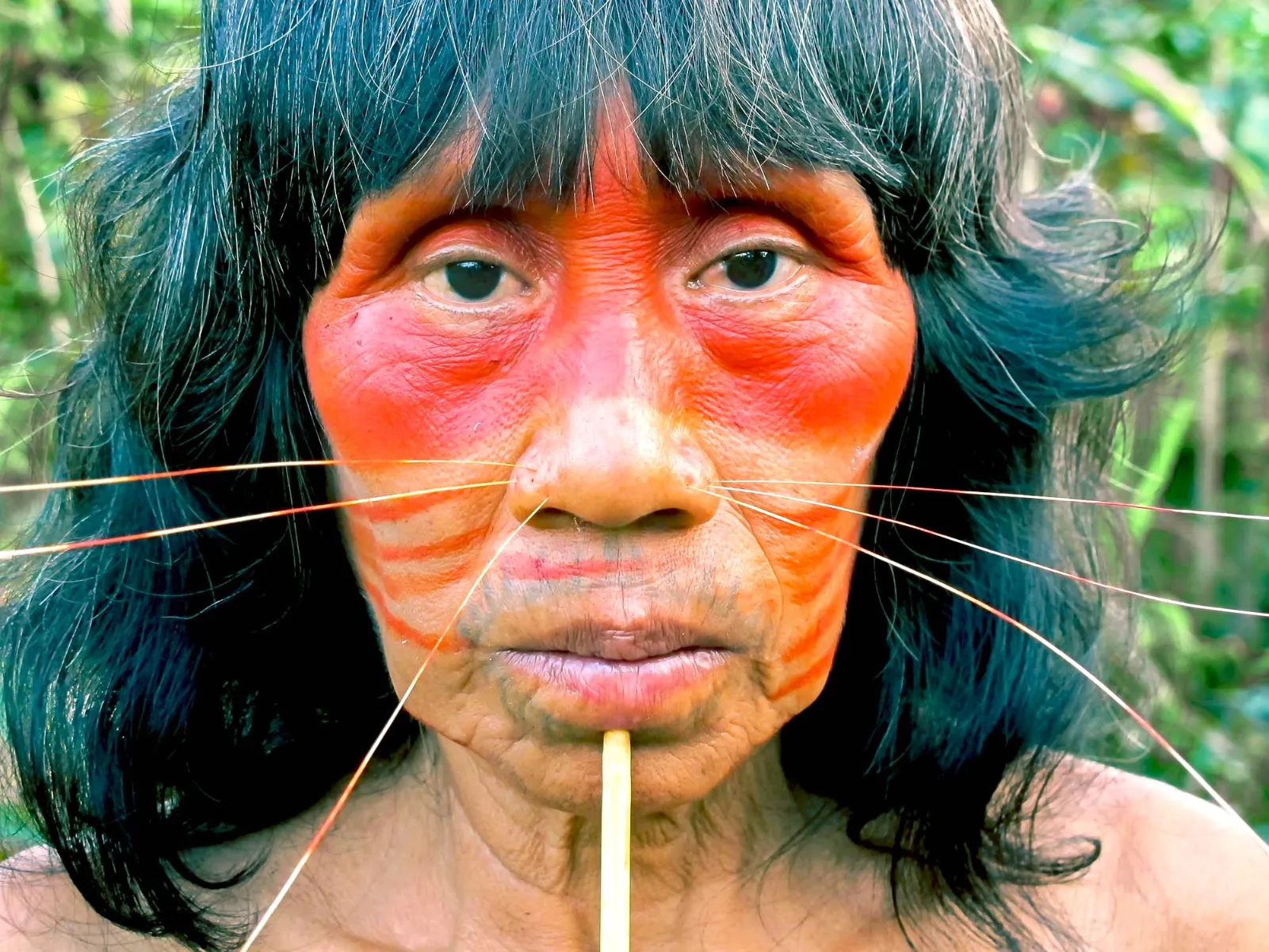
When most people think of the Amazon, they picture an endless, flat expanse of rainforest stretching toward the horizon. This image holds true for the vast majority of the Amazon basin, where massive rivers wind through millions of hectares of jungle, forming the largest continuous tropical forest on Earth. However, deep within the rainforest, there is a region that completely shatters this expectation.
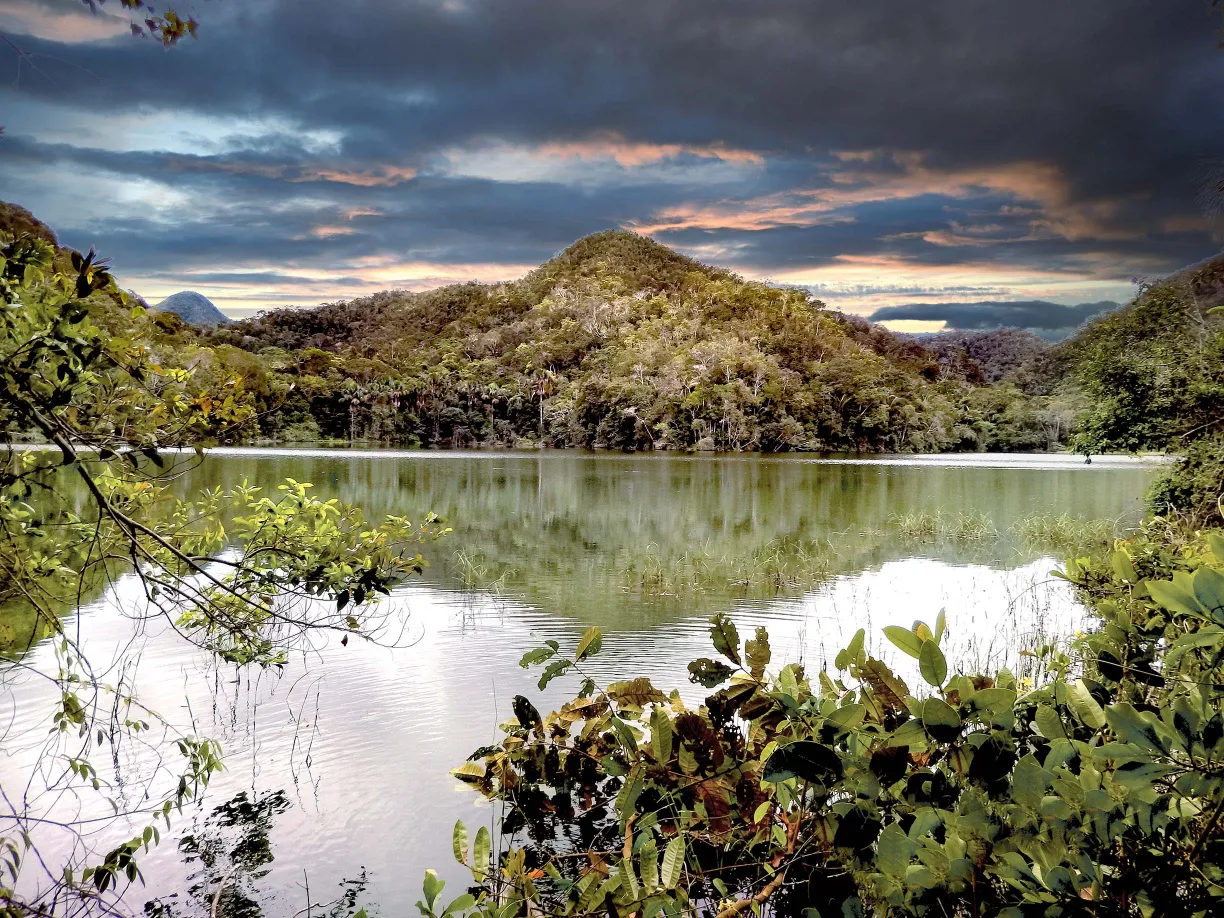
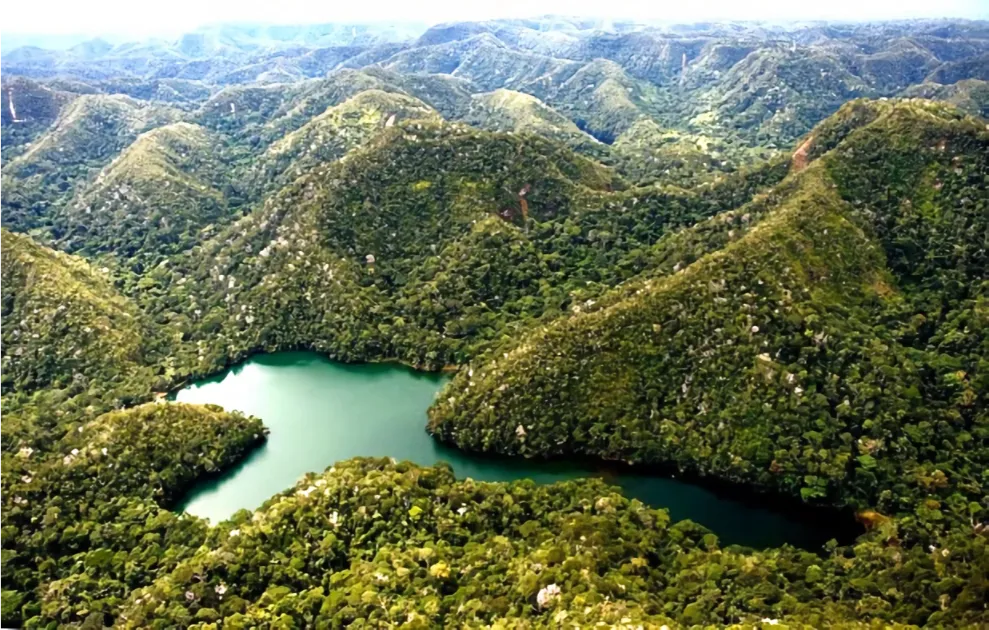
Stretching along the border between Peru and Brazil, an unexpected mountain range rises sharply above the jungle canopy. This is the Sierra del Divisor, a unique geological formation that stands as one of the most extraordinary, biodiverse, and least explored landscapes in the entire Amazon basin.
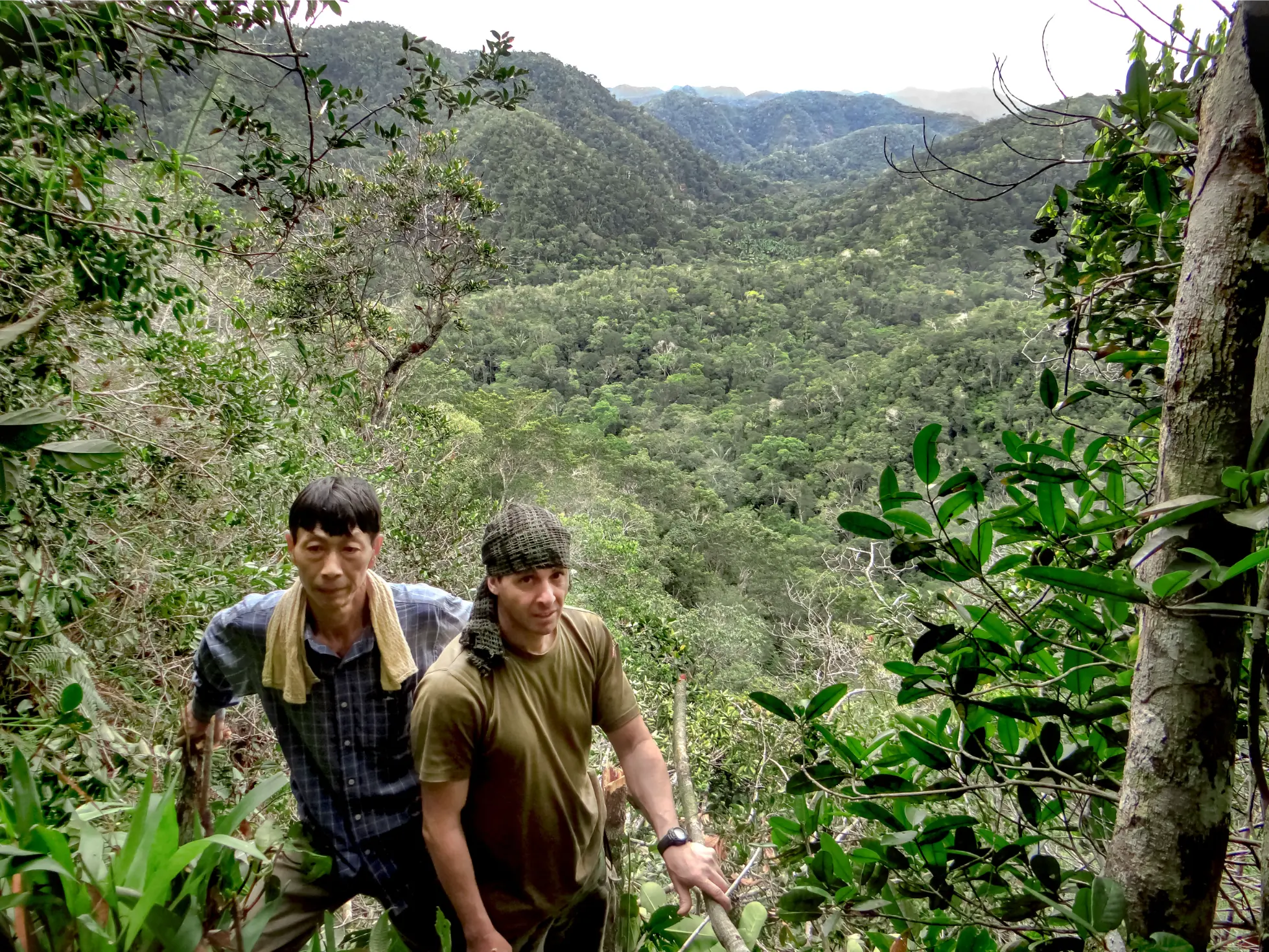
Unlike the Andes Mountains, which dominate South America’s western coast, the Sierra del Divisor is entirely surrounded by the low-lying Amazonian plains. Its rugged terrain—composed of ancient ridges, steep hills, sharp rocky crests, and dramatic massifs—contrasts radically with the predominantly flat terrain that defines the rest of the region.
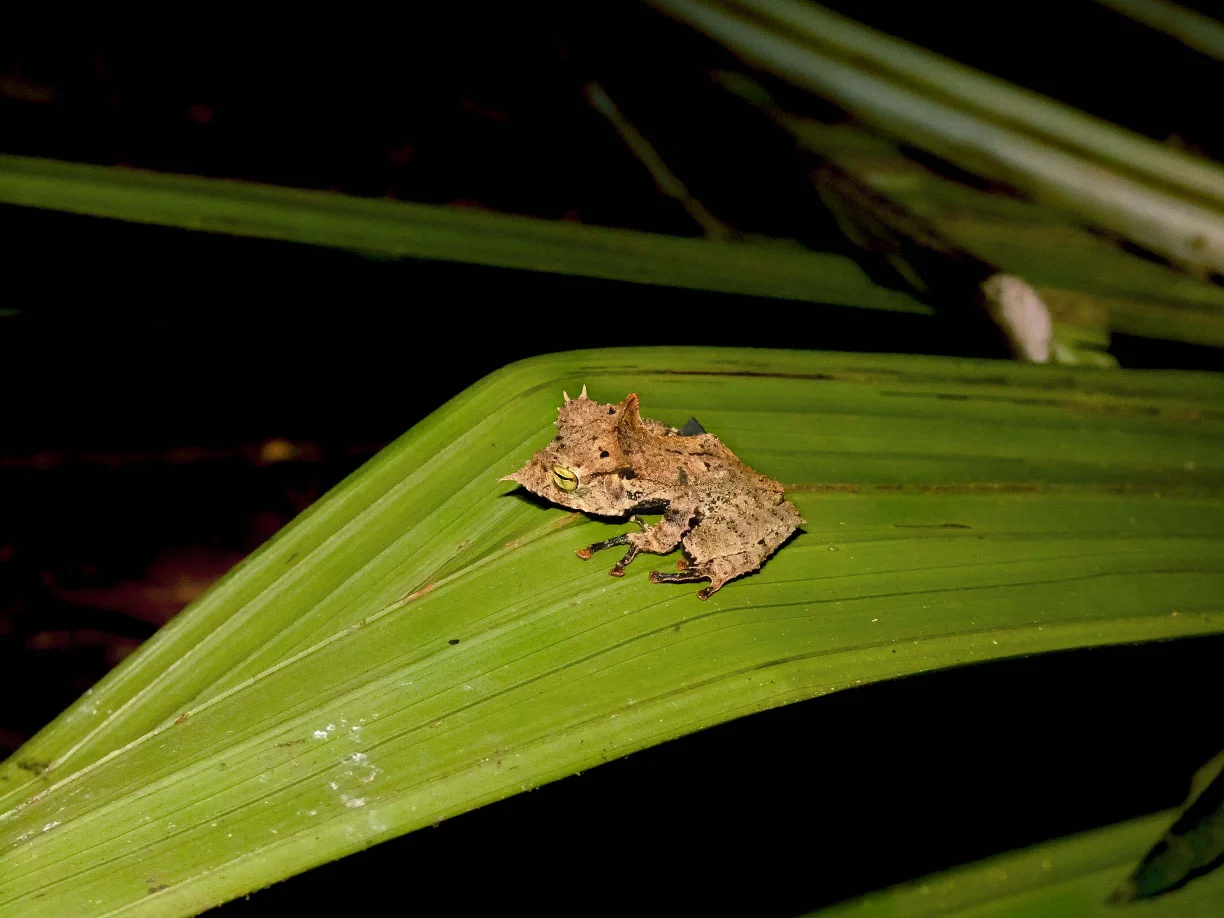
This exceptional geography has given rise to an unparalleled diversity of ecosystems. Terra firme forests, flooded plains, pristine crystalline creeks, palm swamps (aguajales), and sheer rock formations coexist within a relatively compact area, creating the perfect conditions for unique evolutionary isolation. Countless species of flora and fauna find refuge here in habitats that exist nowhere else on Earth. Some have evolved in total isolation over millions of years, while others remain a mystery, waiting to be documented by rigorous scientific research.
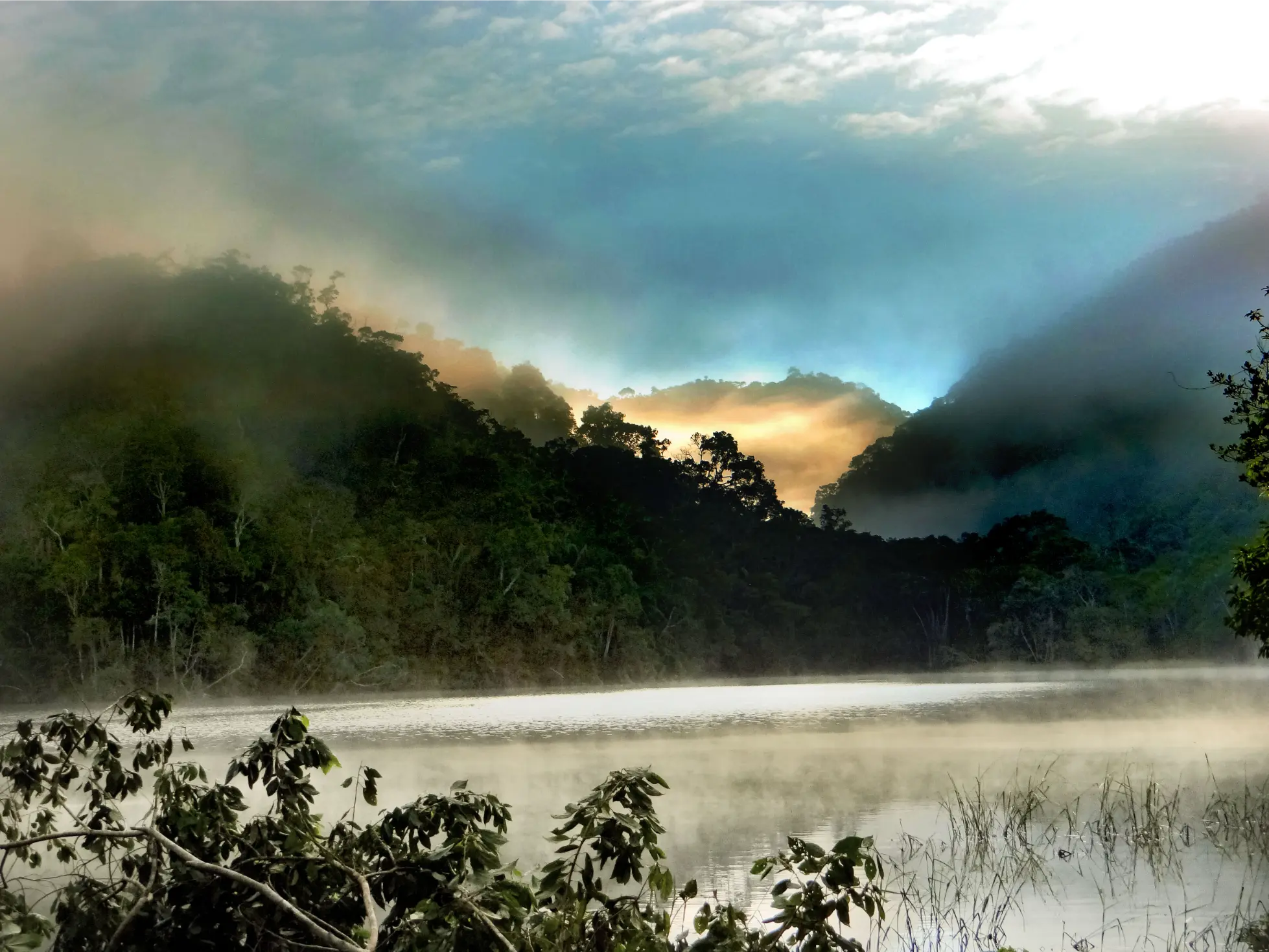
An Untouched Wilderness: Due to its extreme remoteness and challenging terrain, vast tracts of this forest have preserved ecological processes completely unaltered for millennia. It remains one of the last true frontiers of pristine wilderness in the Western Amazon.
Recognizing its immense ecological value, Peru established the Sierra del Divisor National Park in 2015, while Brazil protects its eastern section through the Parque Nacional da Serra do Divisor in the state of Acre. Together, these protected areas form a massive, critical transboundary biological corridor.
But what truly sets the Sierra del Divisor apart? How did a mountain range form in the middle of the flat Amazonian plains? In this first installment of our series, we explore its ancient origins, its exact location, and why it represents one of the most fascinating challenges for deep jungle exploration on the continent.
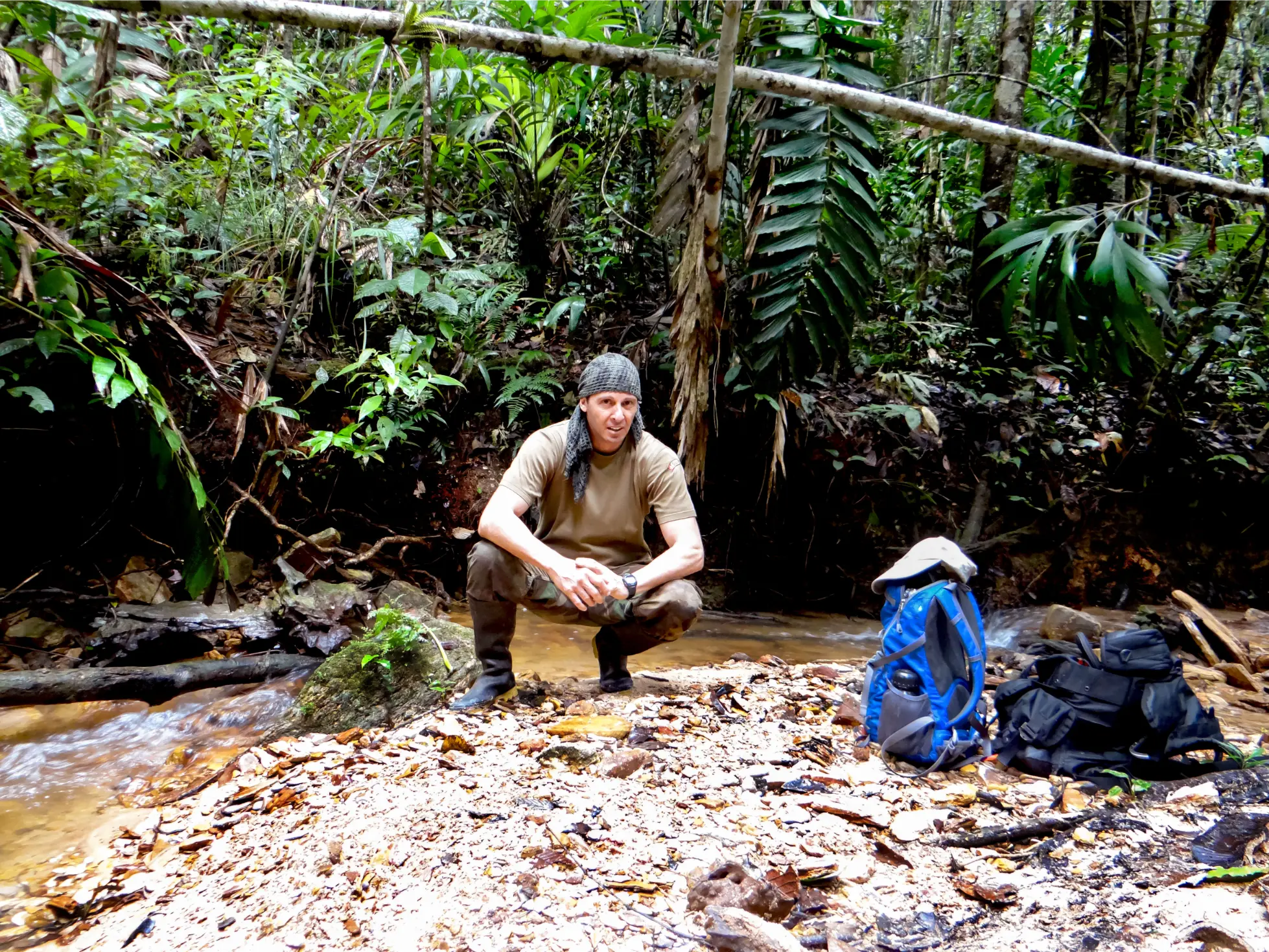
What is the Sierra del Divisor?
The Sierra del Divisor is an ancient system of mountains and ridges that forms one of the most geologically unique regions in the Amazon. It does not reach the towering altitudes of the Andes, nor is it connected to that western cordillera. Instead, it emerges completely isolated in the heart of the lowland rainforest.
Its name comes from its natural function as a watershed (or divisoria de aguas) between major river basins. From its peaks, countless pristine streams and headwaters flow down to feed the region’s main rivers. Rather than a single continuous chain, it is a complex mosaic of ridges, plateaus, and jagged rock outcrops spanning hundreds of kilometers. These sharp variations in altitude, soil composition, and drainage create distinct microclimates, making the park a critical hotspot for Amazonian biodiversity.
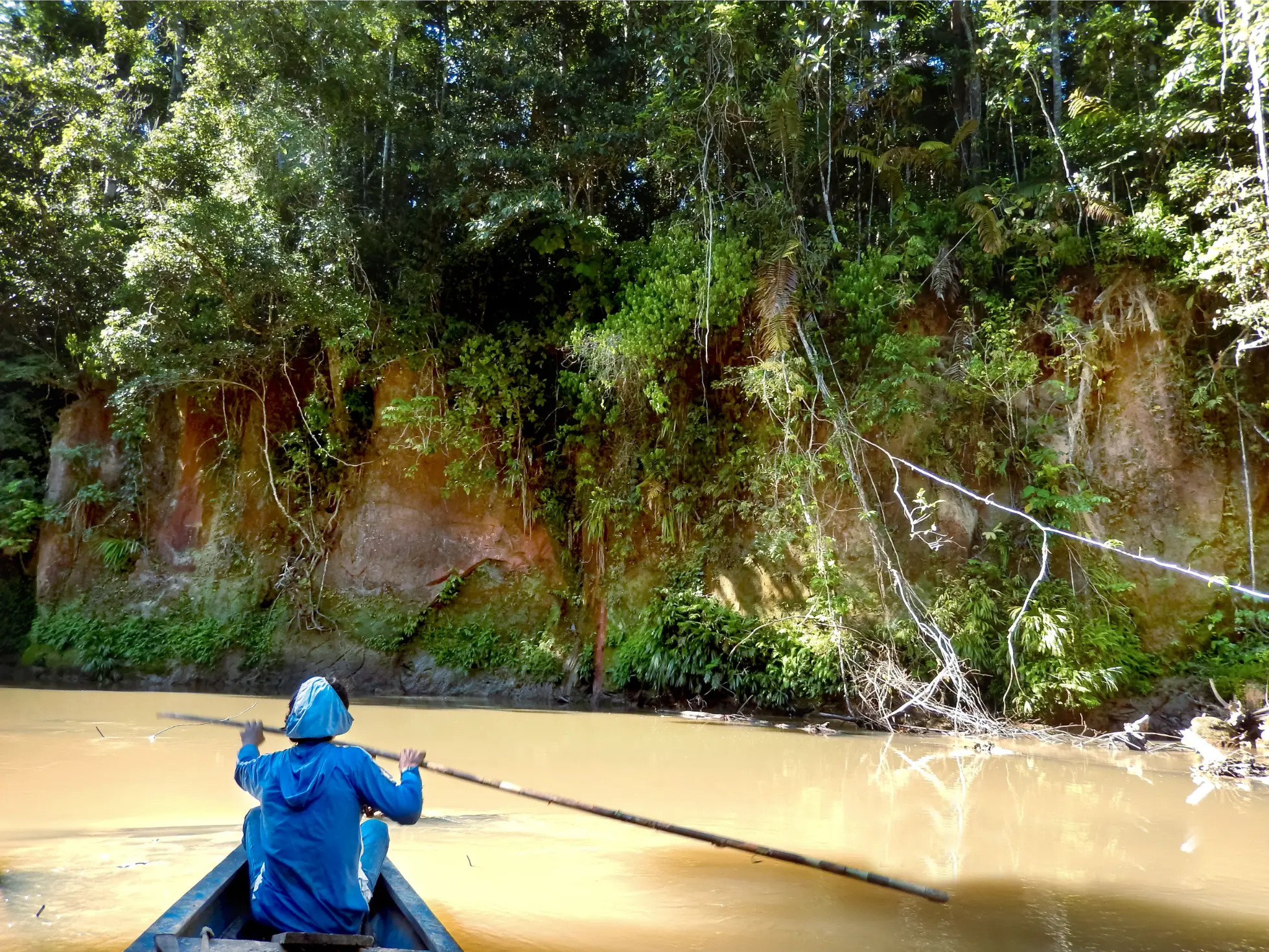
For most of modern history, the intense logistical challenges of accessing the area kept it entirely unmapped and unexplored. Only in recent decades have specialized scientific and biological expeditions begun to document the true scale of the wildlife and geological wonders hidden within this lost world.
Where is the Sierra del Divisor Located?
The Sierra del Divisor is located on the remote eastern border of Peru and the far western edge of Brazil. On the Peruvian side, it spans the deep jungle regions of the Loreto and Ucayali departments.
The region is shaped by a complex network of Amazonian rivers, streams, and waterways that have sculpted this landscape over millions of years, eventually feeding into the major Ucayali and Yavarí (Javari) river basins.
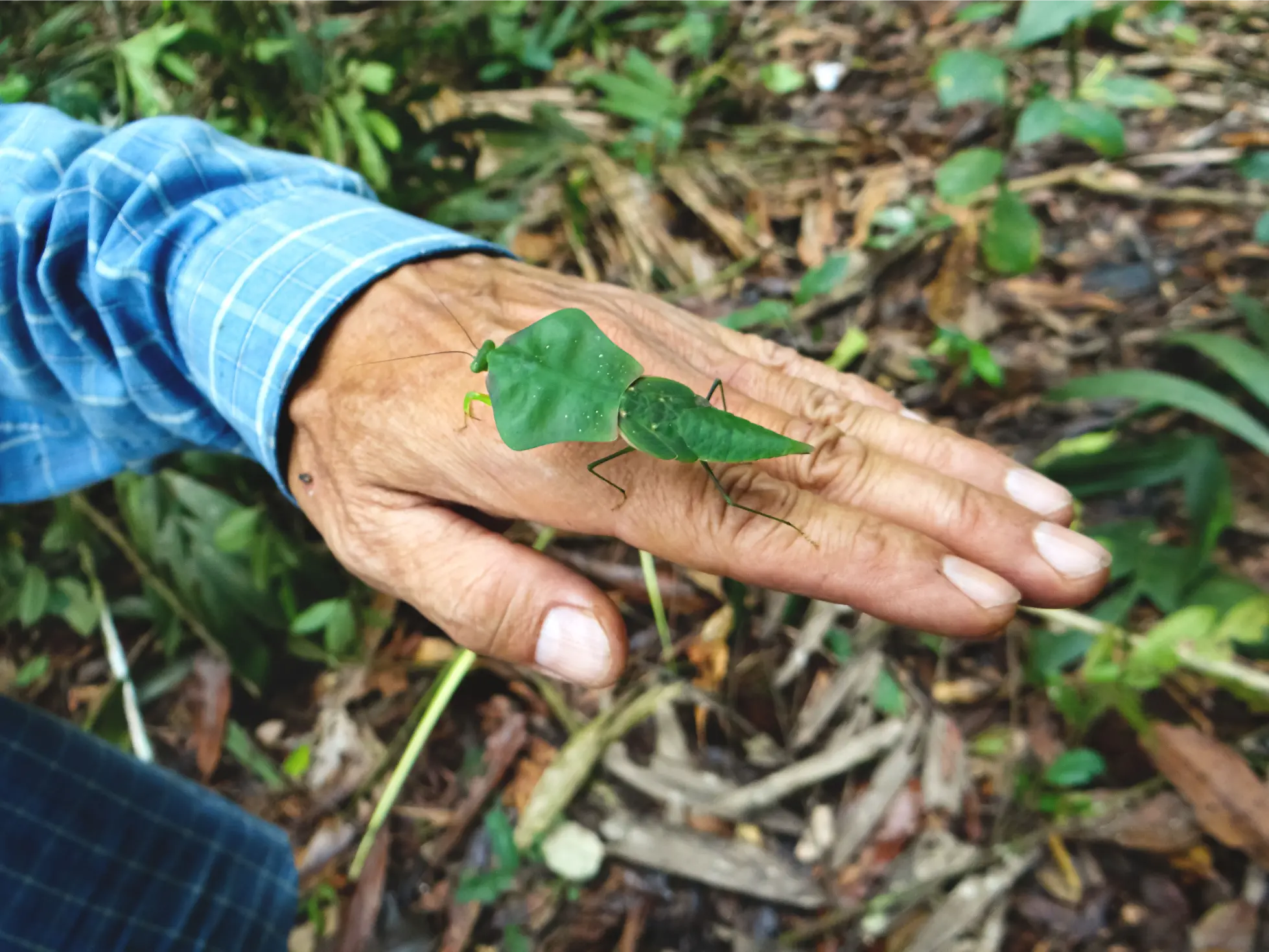
Unlike other protected areas in Peru, Sierra del Divisor has absolutely no road access. Reaching its deepest, most pristine sectors requires days of specialized river navigation in tactical boats and demanding overland trekking through dense, untamed jungle. This strict geographical isolation has served as the ultimate shield, preserving a territory that remains truly wild.
👉 In Part 2
We will explore the extraordinary landscapes and ecosystems that make the Sierra del Divisor unlike anywhere else in the Amazon. From ancient extinct volcanic formations and isolated mountains to dwarf forests, flooded forests, palm swamps (aguajales), crystal-clear rivers, secluded lagoons, and the unique rain shadow effect, discover how this remarkable region supports one of the richest concentrations of biodiversity in the Amazon rainforest.