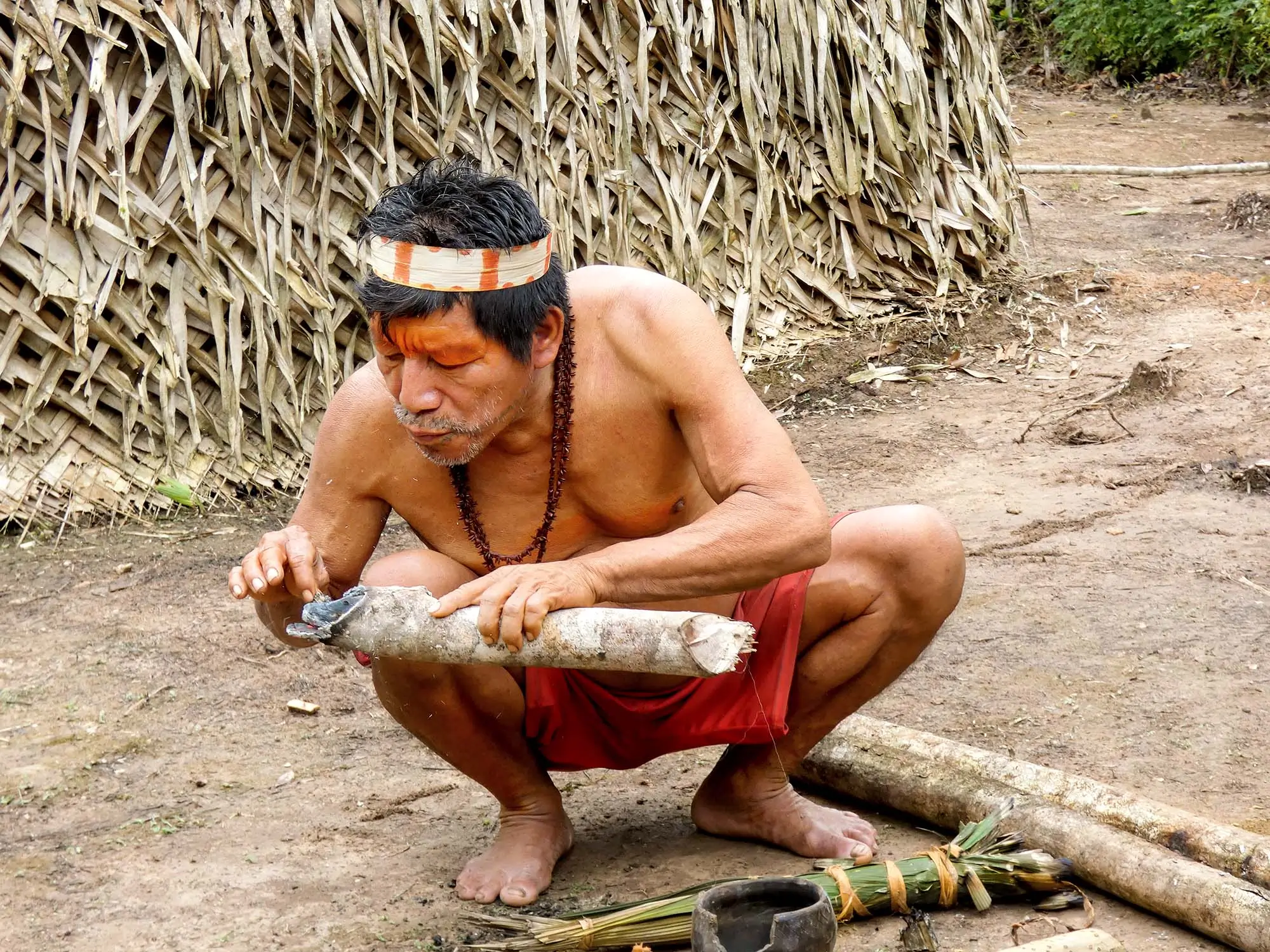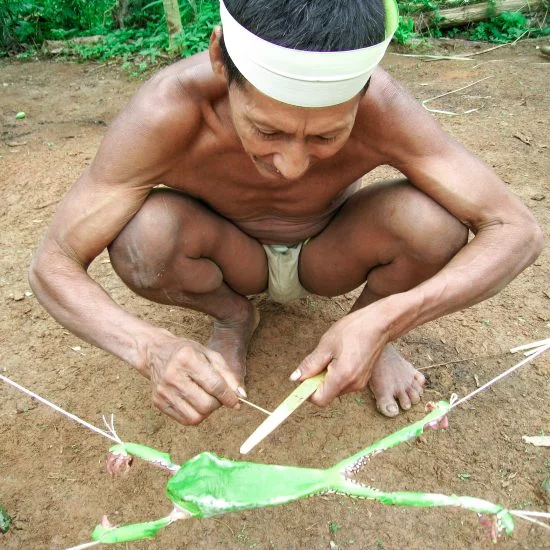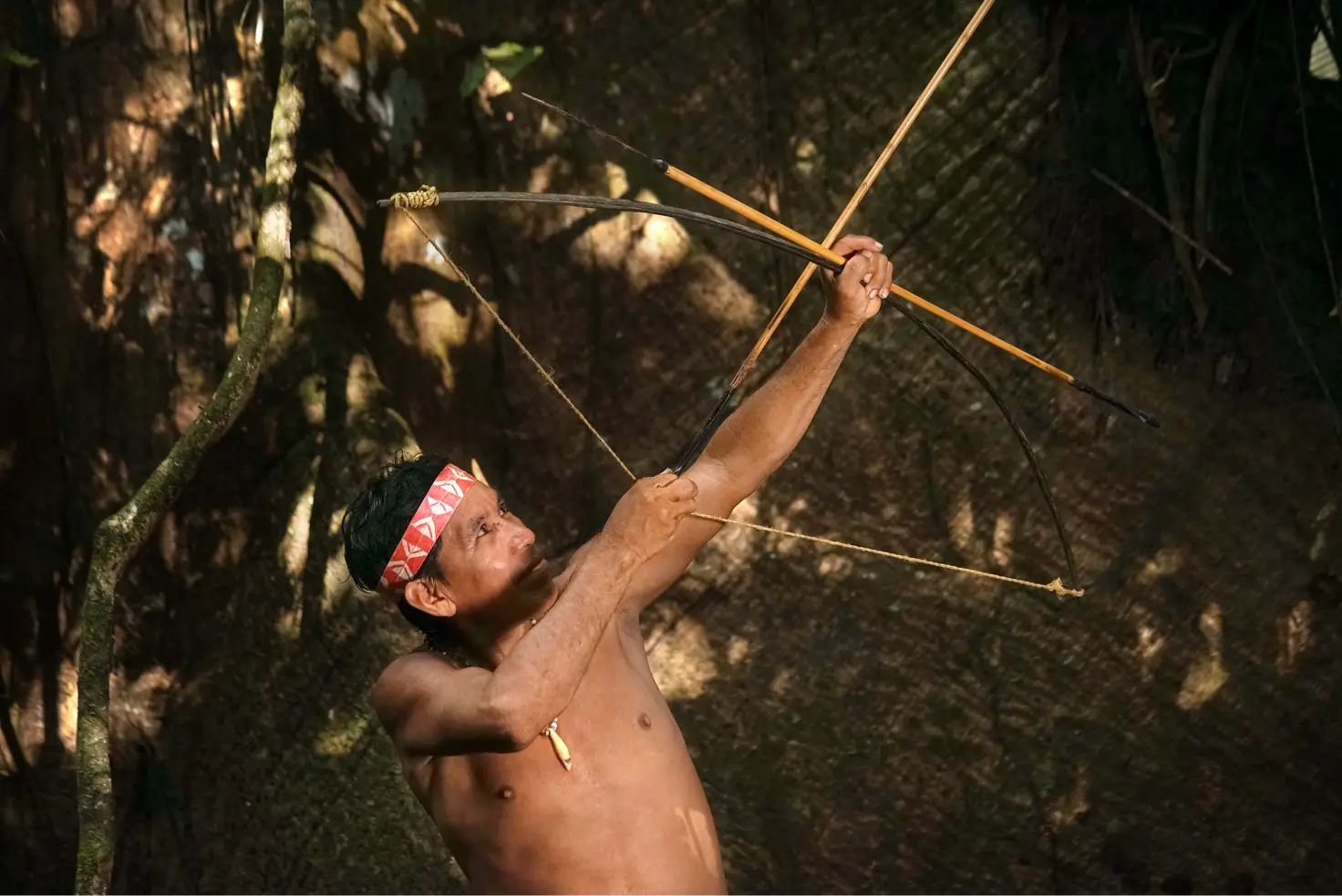
The Sierra del Divisor is far more than an untouched wilderness of spectacular geology and extraordinary wildlife—it is also a region deeply connected to the ancestral history and territories of the Indigenous peoples of the Western Amazon.
For thousands of years, Indigenous peoples have developed cultures, knowledge systems, and ways of life closely connected to the forests, rivers, and extraordinary biodiversity of this remote region.
At a time when intact natural landscapes are disappearing rapidly around the world, Indigenous peoples continue to play a fundamental role in protecting Amazon rainforest ecosystems and preserving traditional knowledge. From Indigenous nations that maintain contact with modern society to highly vulnerable peoples living in voluntary isolation, the cultural heritage of this region is every bit as irreplaceable as its remarkable biodiversity.
Understanding Sierra del Divisor therefore requires looking beyond its mountains, rivers, and forests. It also means recognizing the historical relationship between this territory and the Indigenous peoples who have known and managed these forests for generations.
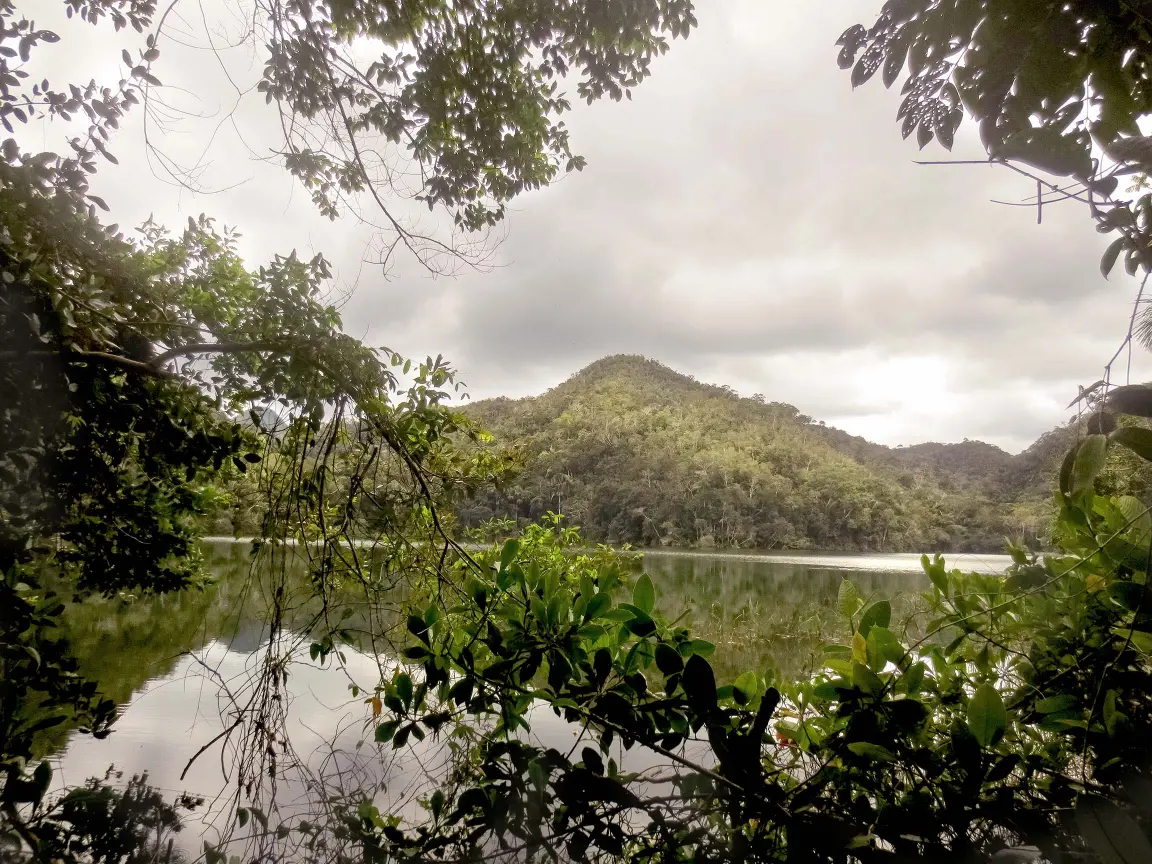
The Matsés: Guardians of the Amazon Rainforest
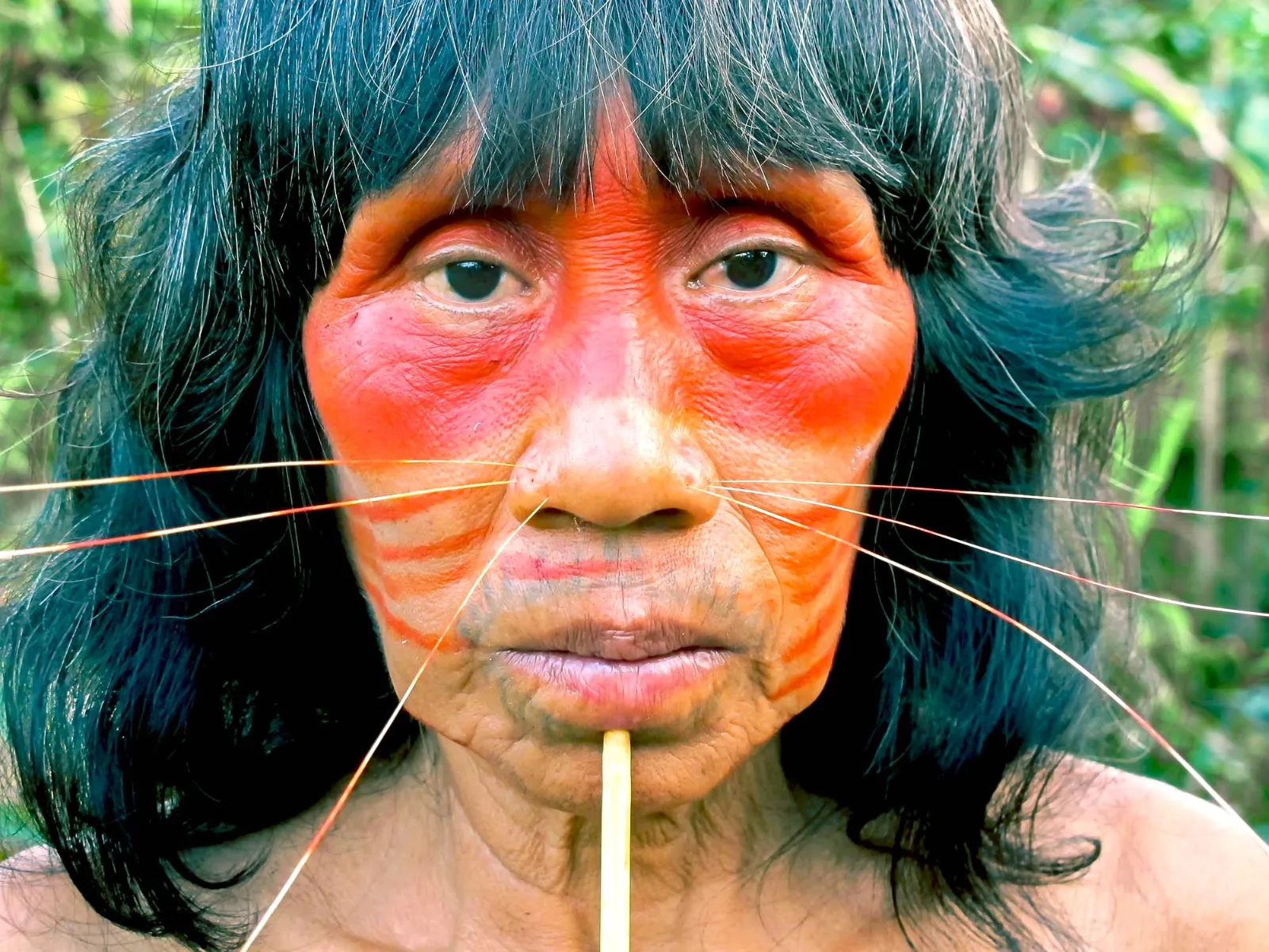
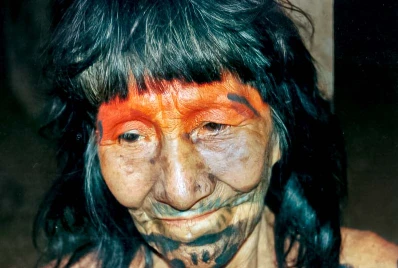
Any discussion of the wider Sierra del Divisor region also involves the Matsés, one of the most important Indigenous peoples of the Western Amazon, historically referred to by outsiders as the Mayoruna, a name associated with the Quechua words mayu (river) and runa (person or people).
The Matsés maintain a profound ancestral relationship with the forests and rivers along the Peru-Brazil border. Their traditional territory extends across both sides of the international frontier, encompassing one of the most remote regions of the Western Amazon.
On the Peruvian side, Matsés communities are located primarily in the Yaquerana River basin. Among them is Puerto Alegre, located along the upper Yaquerana and considered one of the most remote Matsés communities in this region.
On the Brazilian side of the border is the Matsés community of Lobo, connected to the network of rivers and streams in this frontier region and located closer to the Batã River sector.
These communities are located outside Sierra del Divisor National Park. However, they form part of the broader territorial and cultural context of the Amazonian region surrounding this remote mountain range. The Matsés’ historical relationship with the major rivers, forests, and headwaters of this region is essential to understanding the human dimension of one of the most isolated areas of the Amazon.
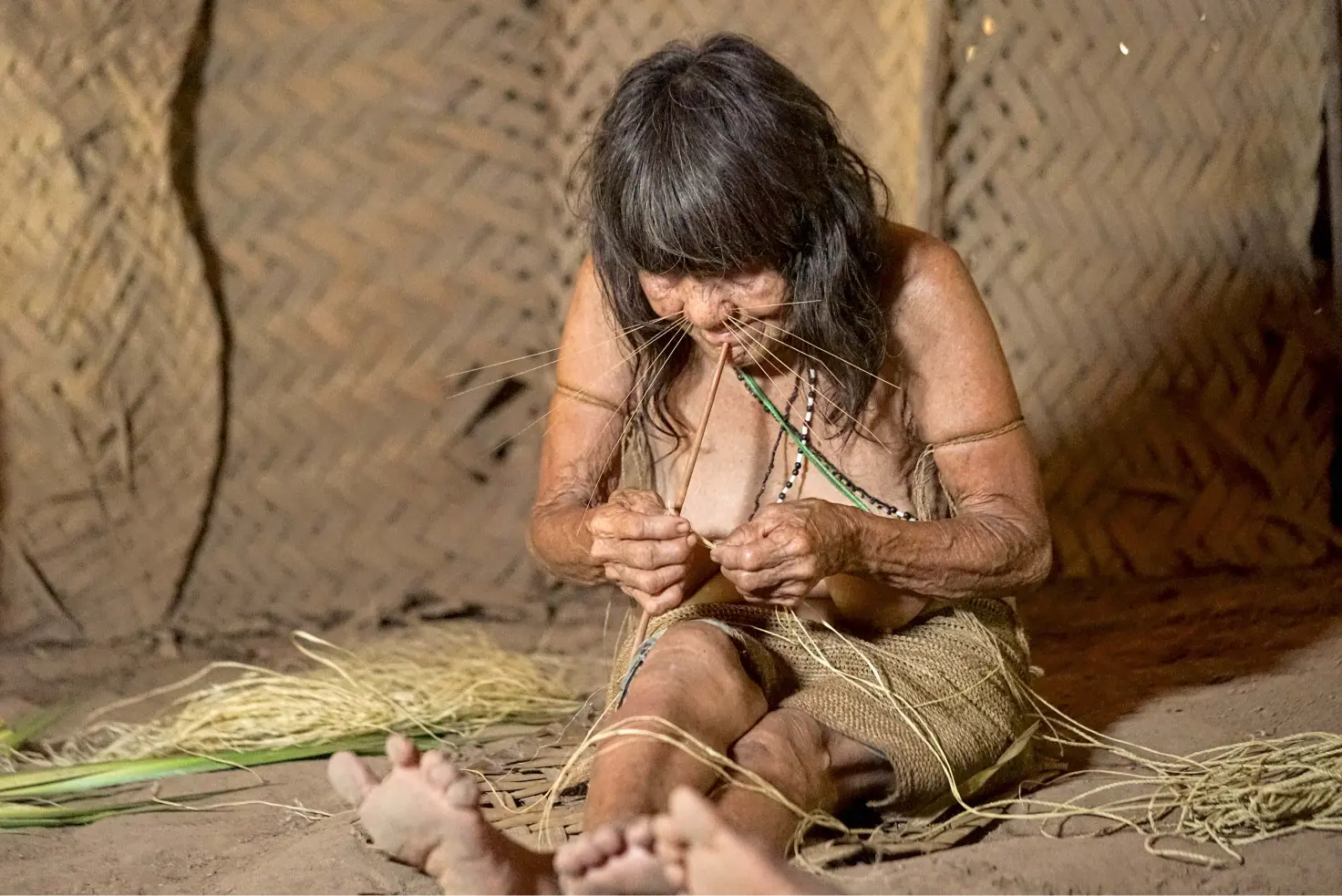
Masters of the Forest
For generations, the Matsés have developed an exceptional knowledge of the Amazon rainforest, allowing them to navigate and survive in one of the most complex natural environments on Earth.
Their expertise includes:
- Tracking mammals through footprints, sounds, feeding marks, and other signs that are almost imperceptible to an inexperienced observer.
- Identifying numerous plant species traditionally used for medicinal and practical purposes.
- Understanding seasonal cycles of fruiting, flowering, and reproduction among different species.
- Interpreting wildlife movements and the subtle signs that reveal the presence of animals.
- Navigating dense rainforest without established trails by reading rivers, vegetation, terrain, and other natural landmarks.
This body of knowledge represents a sophisticated form of Traditional Ecological Knowledge (TEK), transmitted primarily from generation to generation through direct observation, practice, and experience.
For those exploring the deep Amazon, this knowledge represents one of the most sophisticated ways of understanding and navigating a tropical forest without relying exclusively on maps, established trails, or modern technology.
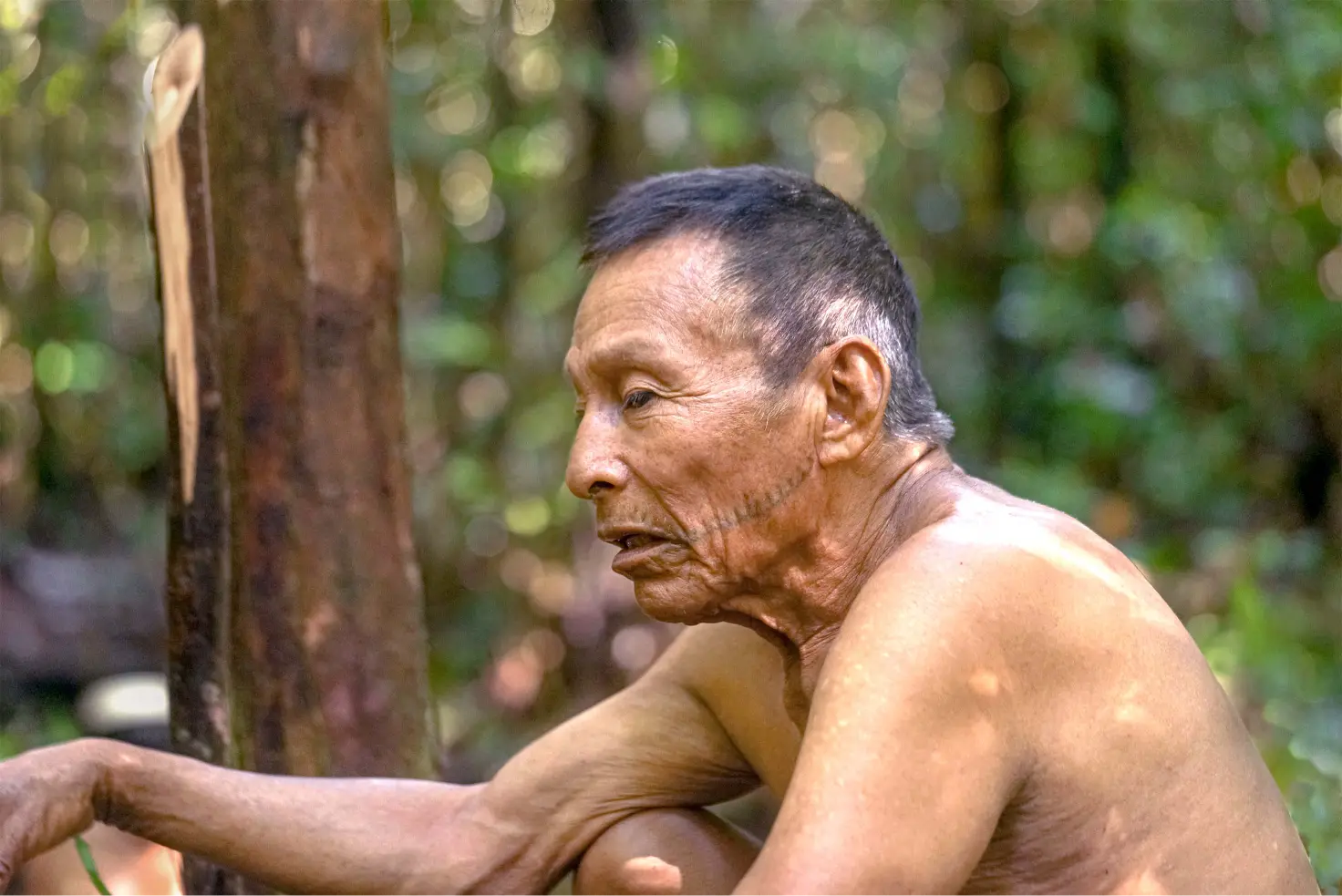
A Living Cultural Heritage
For the Matsés, the rainforest is not simply a source of food or natural resources.
It is a living world in which rivers, forests, animals, and other elements of the landscape possess profound cultural and spiritual significance.
Their traditional worldview understands human beings as part of a much larger living system in which different species and elements of the environment are interconnected. This perspective has influenced traditional practices including hunting, knowledge of medicinal plants, fishing, and rotational agricultural systems adapted to the conditions of the tropical rainforest.
For generations, the Matsés have developed strategies for adapting to and managing natural resources that have enabled them to maintain their way of life in one of the most remote regions of the Western Amazon.
Their knowledge of the forest is an invaluable cultural heritage and an essential part of understanding the relationship between Indigenous peoples and Amazon rainforest ecosystems.
The Isconahua: Guardians of Remote Territories
Another Indigenous people closely connected with the wider Sierra del Divisor region is the Isconahua, a Panoan-speaking Indigenous people.
Historically, the Isconahua maintained a high degree of isolation and developed their way of life in the remote forests of the Peruvian Amazon. Like many Indigenous peoples of the region, they suffered devastating impacts during the rubber boom of the late nineteenth and early twentieth centuries, when disease, violence, and forced displacement caused a dramatic decline among numerous Indigenous populations.
Today, contacted Isconahua continue to face the challenge of preserving their language, oral traditions, and ancestral knowledge after centuries of external pressure.
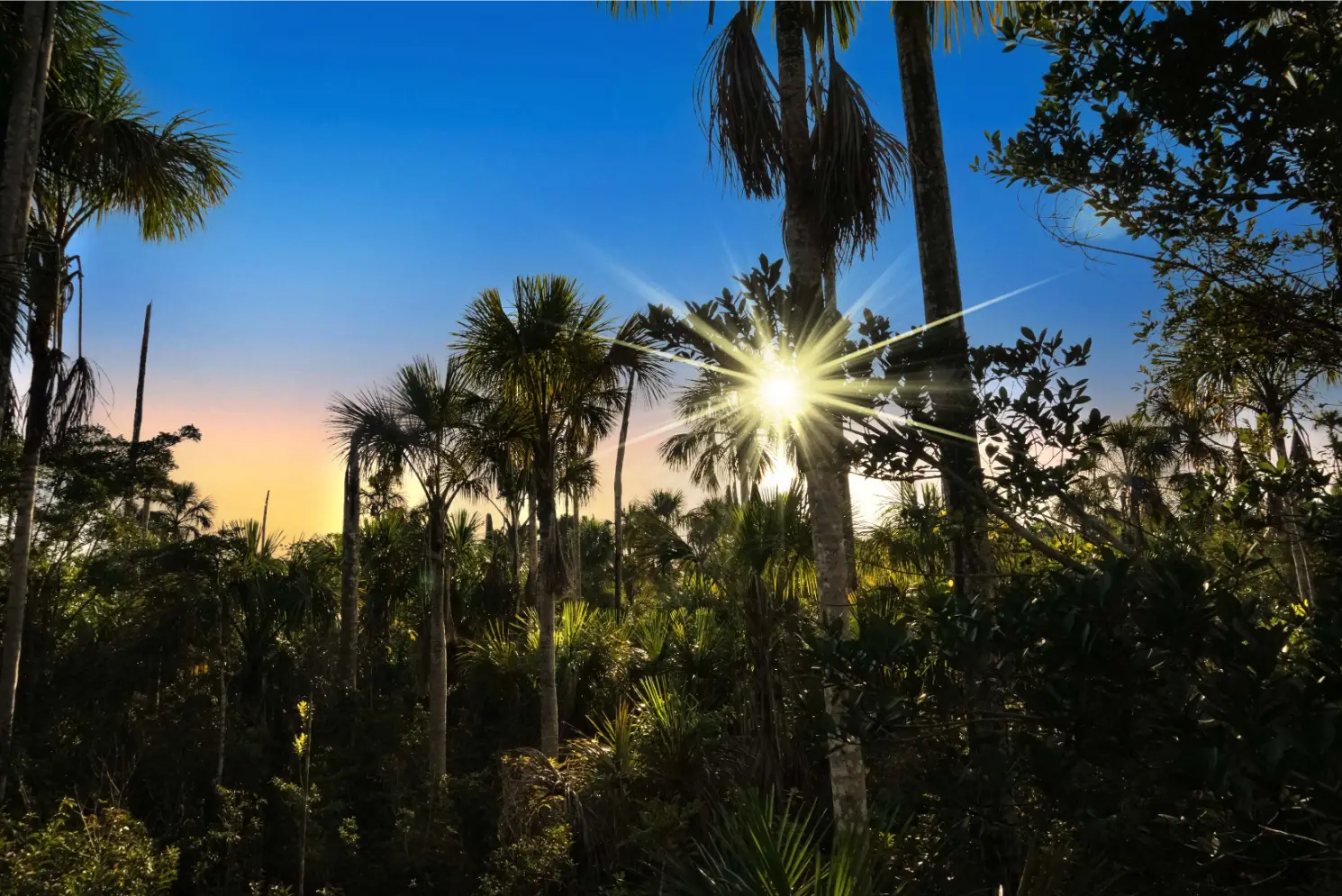
A Deep Connection to Ancestral Lands
For the Isconahua, territory represents far more than a physical area defined on a map.
Forests, rivers, and other elements of the landscape form part of their cultural identity and collective memory.
To help protect these territories and safeguard the rights and survival of the Isconahua people, the Peruvian state established the Isconahua Indigenous Reserve, a protected territory associated with Indigenous peoples living in this region.
Protecting these territories is essential not only for preserving Isconahua culture but also for maintaining extensive Amazon rainforest ecosystems that remain far removed from the main areas of development and resource exploitation.
For the Isconahua, protecting the forest is inseparable from protecting their identity, history, and future.
Indigenous Peoples Living in Voluntary Isolation (PIACI)
One of the most sensitive and important aspects of the wider Sierra del Divisor region is the presence of Indigenous Peoples in Situations of Isolation and Initial Contact, officially known in Peru as PIACI (Pueblos Indígenas en Situación de Aislamiento y en Situación de Contacto Inicial).
These highly vulnerable Indigenous peoples have chosen to maintain limited or no contact with modern society and continue their traditional ways of life in some of the most remote forests of the Amazon.
The Last Frontier of Human Isolation
In the most inaccessible areas of this vast Amazonian frontier, there are indications of Indigenous peoples who maintain extremely limited or no sustained contact with the outside world.
Some of these groups have historically been associated with Panoan-speaking peoples, although information about their identity, population, and movements is necessarily limited.
This lack of information is not a deficiency. It is a direct consequence of the need to protect their isolation.
The Right to Remain Isolated
Voluntary isolation is a right recognized and protected under Peruvian law.
For these Indigenous peoples, avoiding contact with outsiders is also a matter of survival. Having had little exposure to many infectious diseases common in modern society, they may be highly vulnerable to illnesses against which they have limited immunity.
Even accidental contact could have devastating consequences for an entire community.
For this reason, deliberately approaching these peoples, attempting to establish contact, or entering protected areas established for their isolation is irresponsible and can put human lives at risk.
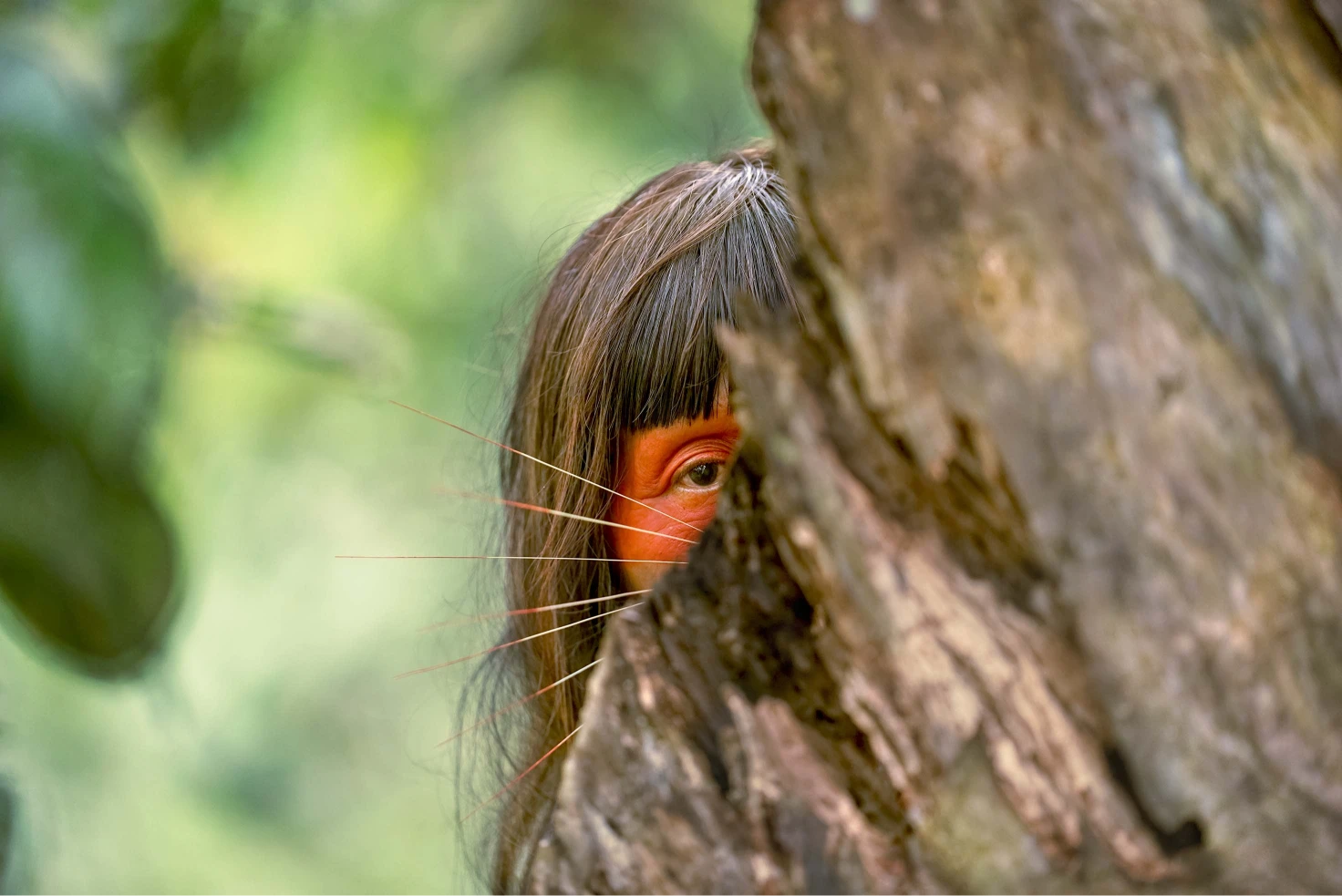
Strict Territorial Protection
The protection of Indigenous Peoples in Voluntary Isolation is one of the fundamental reasons why certain areas of this wider region remain subject to strict access restrictions.
Tourism, scientific research, extractive activities, and other forms of access that could threaten their isolation are restricted or prohibited in the corresponding protected areas.
Protecting these territories is not simply an environmental conservation strategy. It is also an ethical and humanitarian obligation aimed at protecting peoples who have chosen to continue their existence largely beyond the modern world.
A Sacred Landscape and Living Cultural Heritage
For the Indigenous peoples of the Western Amazon, the concept of territory extends far beyond the physical boundaries represented on a map.
Territory is identity: Rivers, mountains, forests, streams, and places where ancestors lived form part of a cultural memory transmitted from one generation to the next.
This profound relationship between people and nature also has important implications for conservation.
Scientific research has repeatedly shown that well-protected Indigenous territories can play a fundamental role in conserving tropical forests, biodiversity, and ecosystem services.
In the wider Sierra del Divisor region, protecting ecosystems and respecting Indigenous rights are therefore closely interconnected objectives.
Conclusion
Sierra del Divisor represents an extraordinary example of the interaction between geology, climate, biodiversity, and human cultures developed over thousands of years.
To truly understand this remote region, it is not enough to study its mountains, rivers, and wildlife. It is also necessary to recognize the history, territories, and knowledge of the Indigenous peoples connected to this part of the Amazon.
On the Peruvian side, Matsés communities such as Puerto Alegre, in the upper Yaquerana River basin, and on the Brazilian side, communities such as Lobo, closer to the Batã River sector, maintain an ancestral relationship with the forests and rivers of this frontier region.
The Isconahua and the Indigenous peoples living in voluntary isolation likewise represent an essential part of the human and cultural heritage of this vast Amazonian region.
Protecting these territories means preserving far more than an extraordinary tropical forest. It means protecting biodiversity, ancestral knowledge, human rights, and one of the last great wild frontiers of the Amazon.
👉 In Part 5
Conservation and Threats Facing Sierra del Divisor: We examine the major environmental and geopolitical challenges facing this remote region. From illegal logging and gold mining to drug trafficking and infrastructure projects that could affect forest connectivity, we explore the real threats facing Sierra del Divisor and the fundamental role of Sierra del Divisor National Park in protecting this extraordinary ecosystem.