The Sierra del Divisor National Park is one of the world’s most spectacular wilderness areas, yet its extraordinary biodiversity is far from invulnerable. Despite its remote location and rugged terrain, this vast expanse of Amazon rainforest faces increasing pressure from illegal activities that threaten its ecosystems, wildlife, freshwater resources, and Indigenous territories.
Understanding the delicate balance between these growing threats and the conservation efforts designed to counter them is essential to ensuring that one of the planet’s last great wilderness frontiers remains intact for future generations.
The Main Threats Facing Sierra del Divisor
Ironically, the same isolation that preserved Sierra del Divisor for thousands of years has also made it an attractive target for illegal activities operating far from effective government oversight.
Illegal Logging
Although Sierra del Divisor National Park enjoys the highest level of legal protection in Peru, the international demand for valuable tropical hardwoods—particularly mahogany (Swietenia macrophylla) and Spanish cedar (Cedrela odorata)—continues to attract illegal loggers to the park’s buffer zones and surrounding forests.
These operations extend far beyond the selective removal of valuable trees. Illegal logging frequently involves unauthorized forest roads, temporary camps, and river transport networks that fragment intact forests, destabilize soils, and open previously inaccessible areas to further environmental degradation.
Illegal Gold Mining
Large-scale gold mining is prohibited within the national park and adjacent protected areas. Nevertheless, illegal alluvial gold mining continues to threaten several rivers and tributaries connected to the region.
Mercury Pollution
Illegal miners use heavy machinery to strip riverbanks and floodplains, destroying fragile aquatic habitats.
Even more damaging is the widespread use of mercury, which binds to gold particles during extraction. Once released into rivers, mercury accumulates throughout the aquatic food chain, poisoning fish, giant river otters, black caimans, river birds, and ultimately the Indigenous communities that depend on these waterways for food and drinking water.
Mercury contamination remains one of the most serious long-term environmental threats throughout the Amazon Basin.
Drug Trafficking and Illegal Coca Cultivation
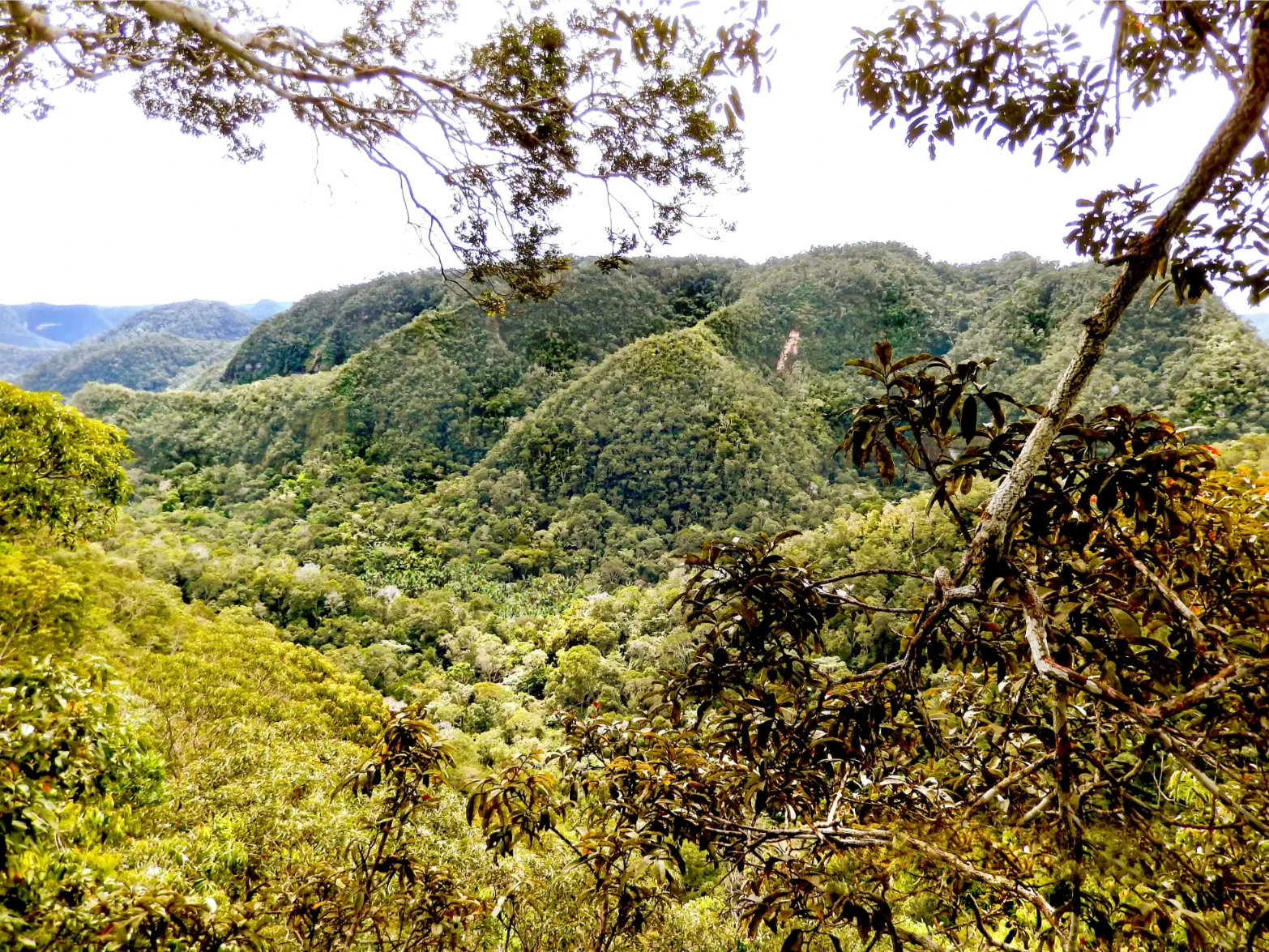
In recent decades, the remote border region between Peru and Brazil has increasingly attracted transnational organized crime.
Primary rainforest is sometimes cleared to establish illegal coca plantations, clandestine airstrips, and transportation corridors used for narcotics trafficking.
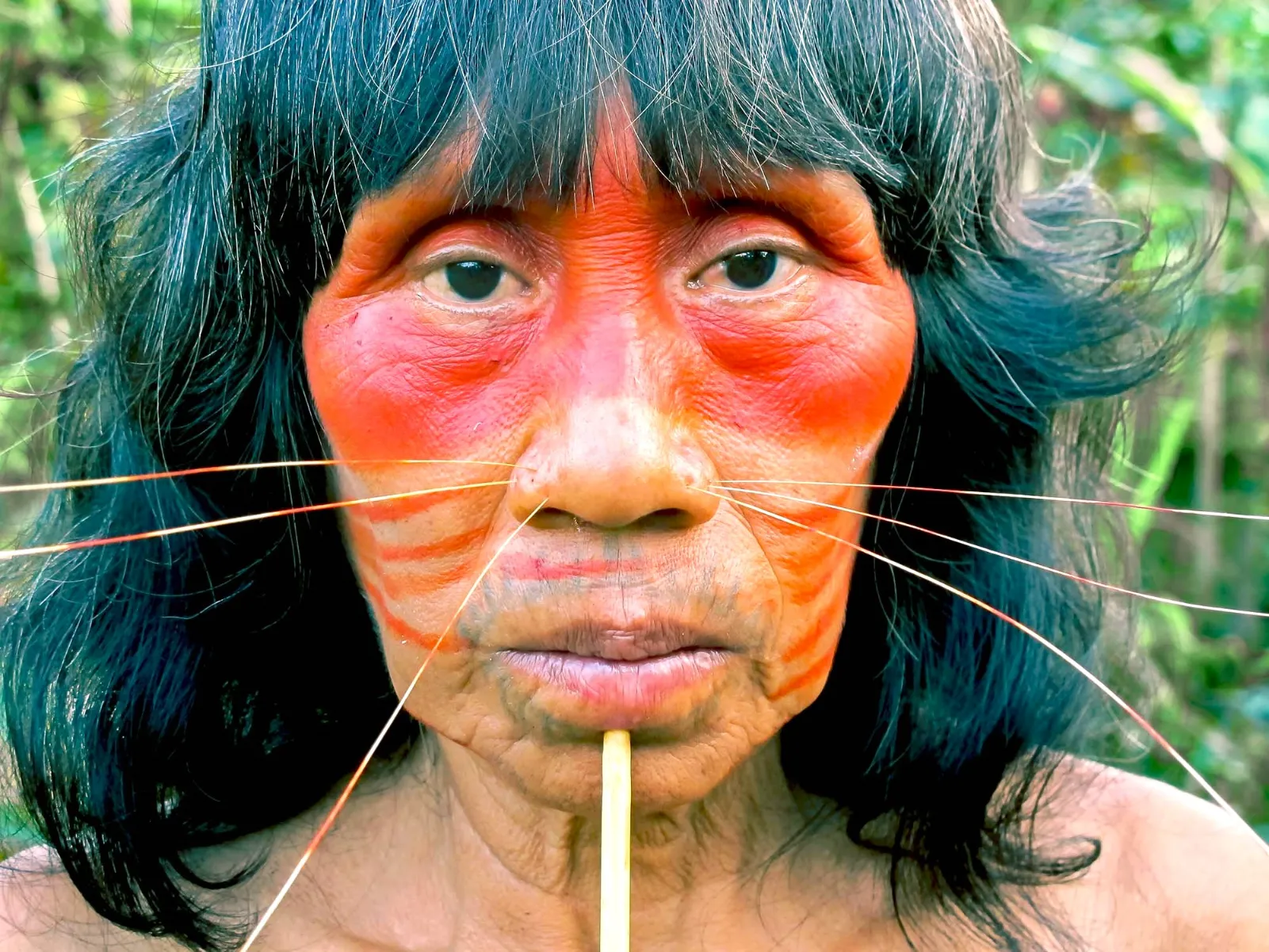
Beyond the direct loss of forest, these activities often penetrate deep into Indigenous territories, including areas inhabited by Indigenous Peoples Living in Voluntary Isolation (PIACI). Such incursions represent immediate threats to their security, health, territorial integrity, and internationally recognized rights.
Road Development and Forest Fragmentation
Perhaps the greatest long-term structural threat to Sierra del Divisor is the possibility of new transportation infrastructure crossing the region.
Among the most controversial proposals is the highway connecting Pucallpa (Peru) with Cruzeiro do Sul (Brazil).
Although promoted as a project to improve trade and regional integration, decades of scientific research throughout the Amazon consistently show that roads become powerful drivers of deforestation.
New roads dramatically increase accessibility, encouraging illegal logging, land grabbing, agricultural expansion, mining, wildlife poaching, and human settlement.
This process often produces the well-known “fishbone” pattern of deforestation, where forest clearing spreads outward from roads into previously intact rainforest, permanently fragmenting wildlife corridors and accelerating biodiversity loss.
The Shield: Creation of Sierra del Divisor National Park
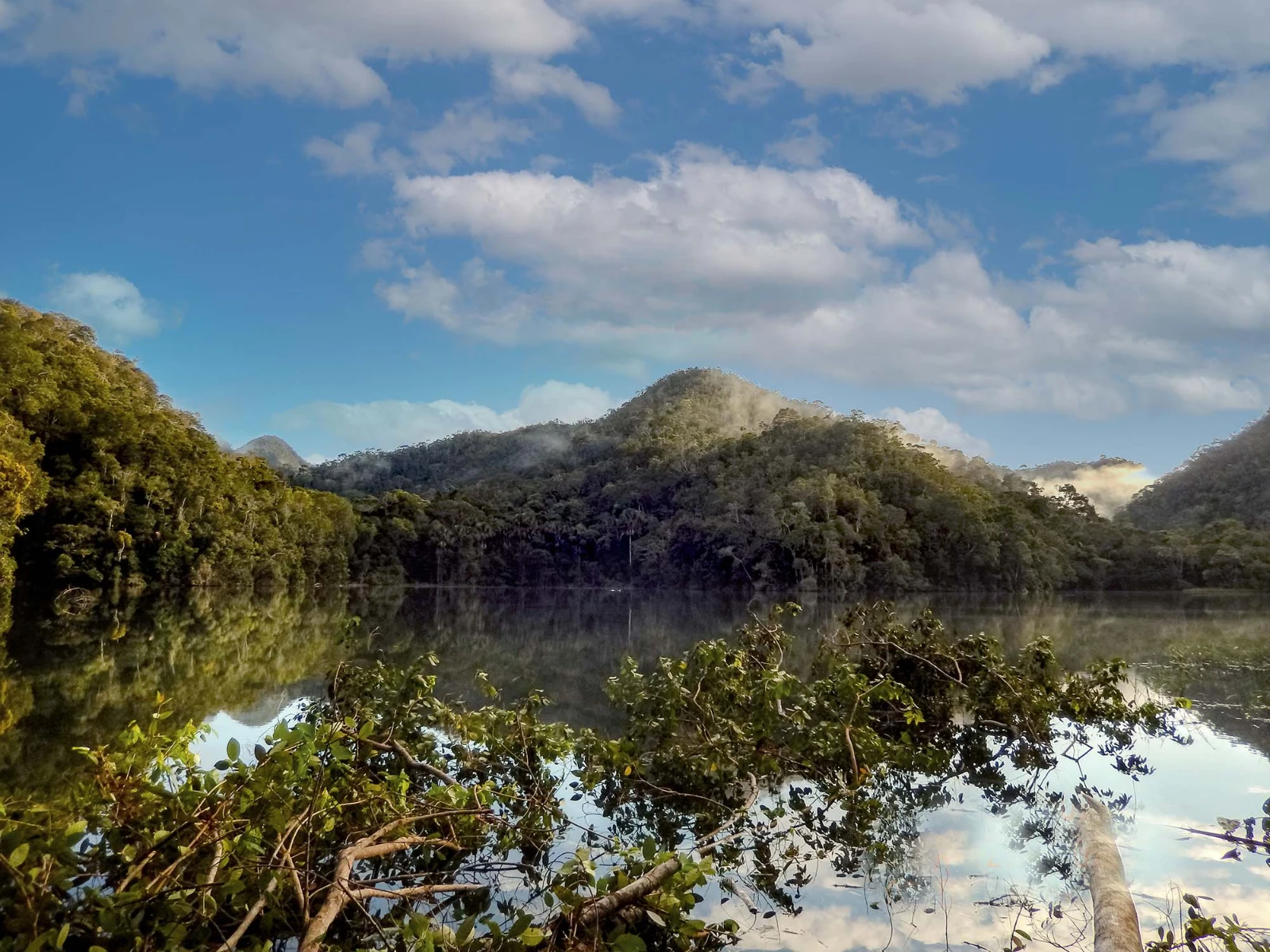
Recognizing the ecological importance of this unique landscape, and following nearly two decades of advocacy by Indigenous organizations, scientists, conservationists, and civil society, the Peruvian government officially established Sierra del Divisor National Park on November 8, 2015.
Protected Area: Sierra del Divisor National Park (Parque Nacional Sierra del Divisor)
Established: November 8, 2015
Area: More than 1.3 million hectares (approximately 3.2 million acres)
Primary Objectives:
- Protect unique geological formations.
- Safeguard critical Amazonian headwaters.
- Preserve habitats for endemic and threatened wildlife.
- Protect the ancestral territories of Indigenous peoples, including those living in voluntary isolation.
The creation of the park transformed a highly vulnerable landscape into a legally protected conservation area.
Today, the park supports coordinated ranger patrols, satellite-based forest monitoring, biodiversity research, and cross-border conservation cooperation with Serra do Divisor National Park in Brazil, together forming one of the largest transboundary conservation landscapes in the Amazon.
Protecting Global Biodiversity and Carbon Storage
Conserving Sierra del Divisor is not only a regional responsibility—it is a global environmental priority.
One of the Amazon’s Great Carbon Reservoirs
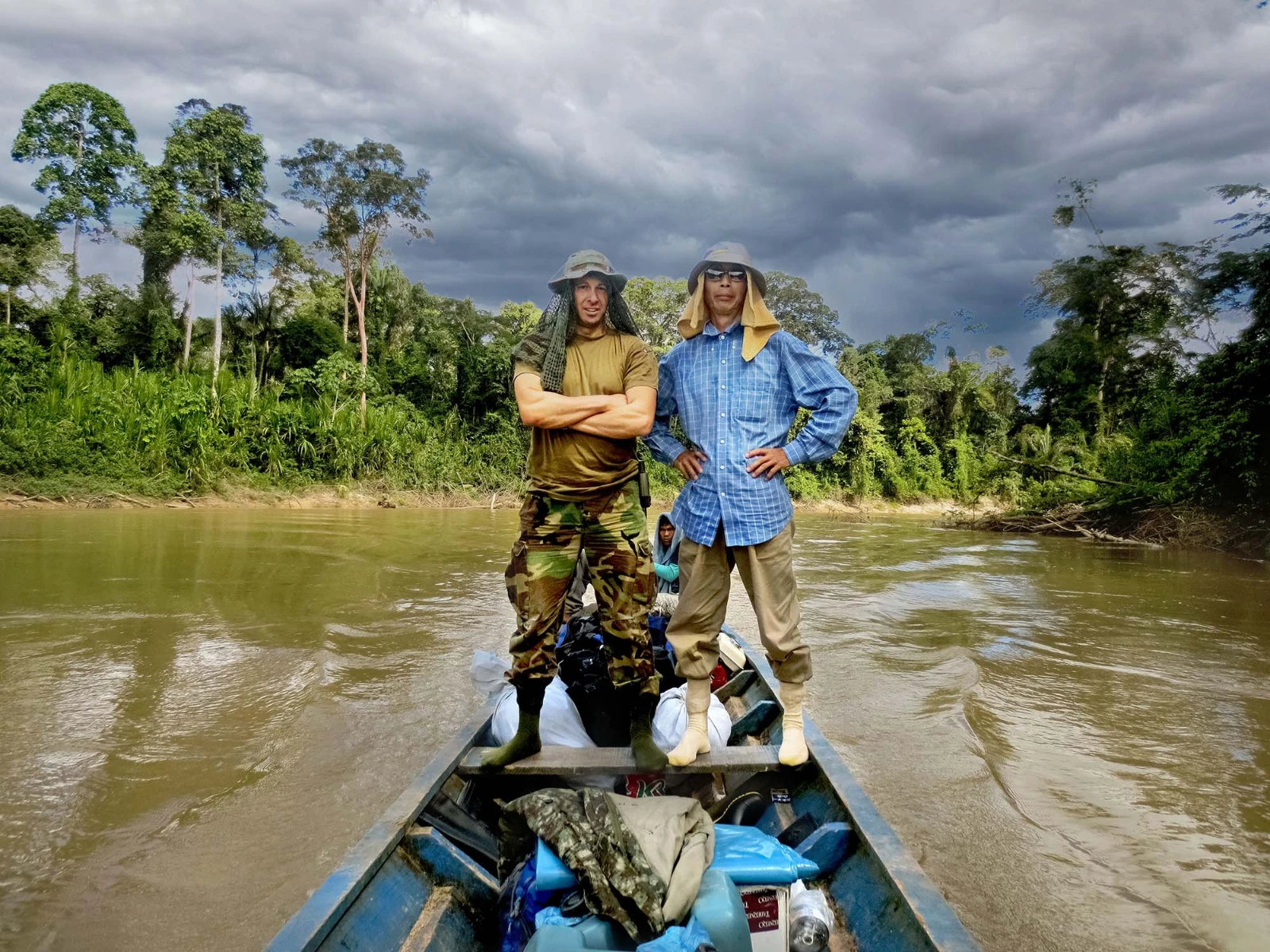
The park’s immense tropical forests, including extensive Mauritia flexuosa palm swamps (aguajales), store enormous quantities of carbon.
Keeping these forests intact prevents billions of tons of carbon from being released into the atmosphere, making Sierra del Divisor an important ally in global efforts to mitigate climate change.
A Critical Water Tower for the Western Amazon
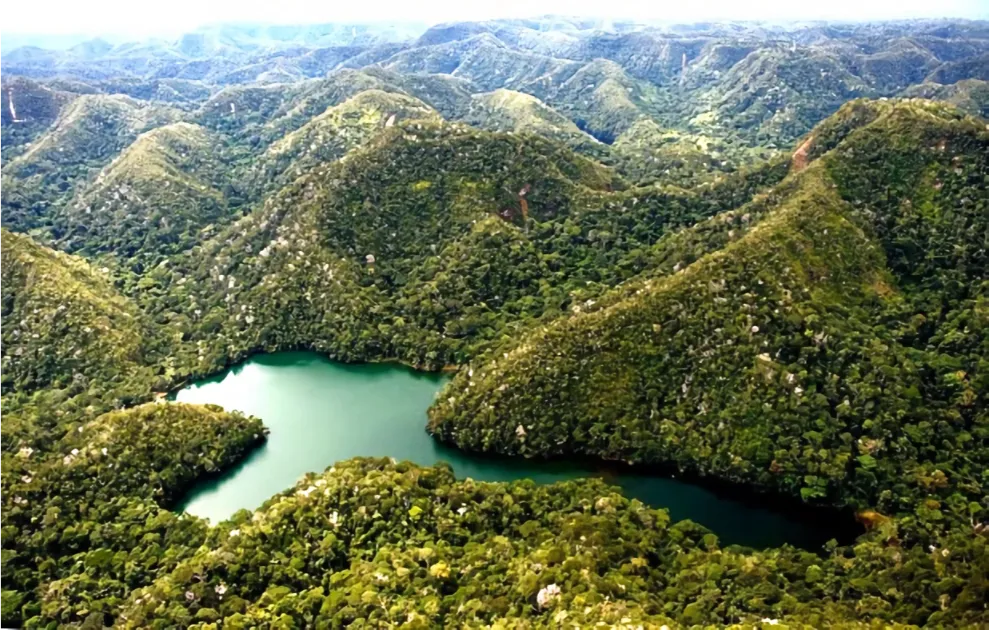
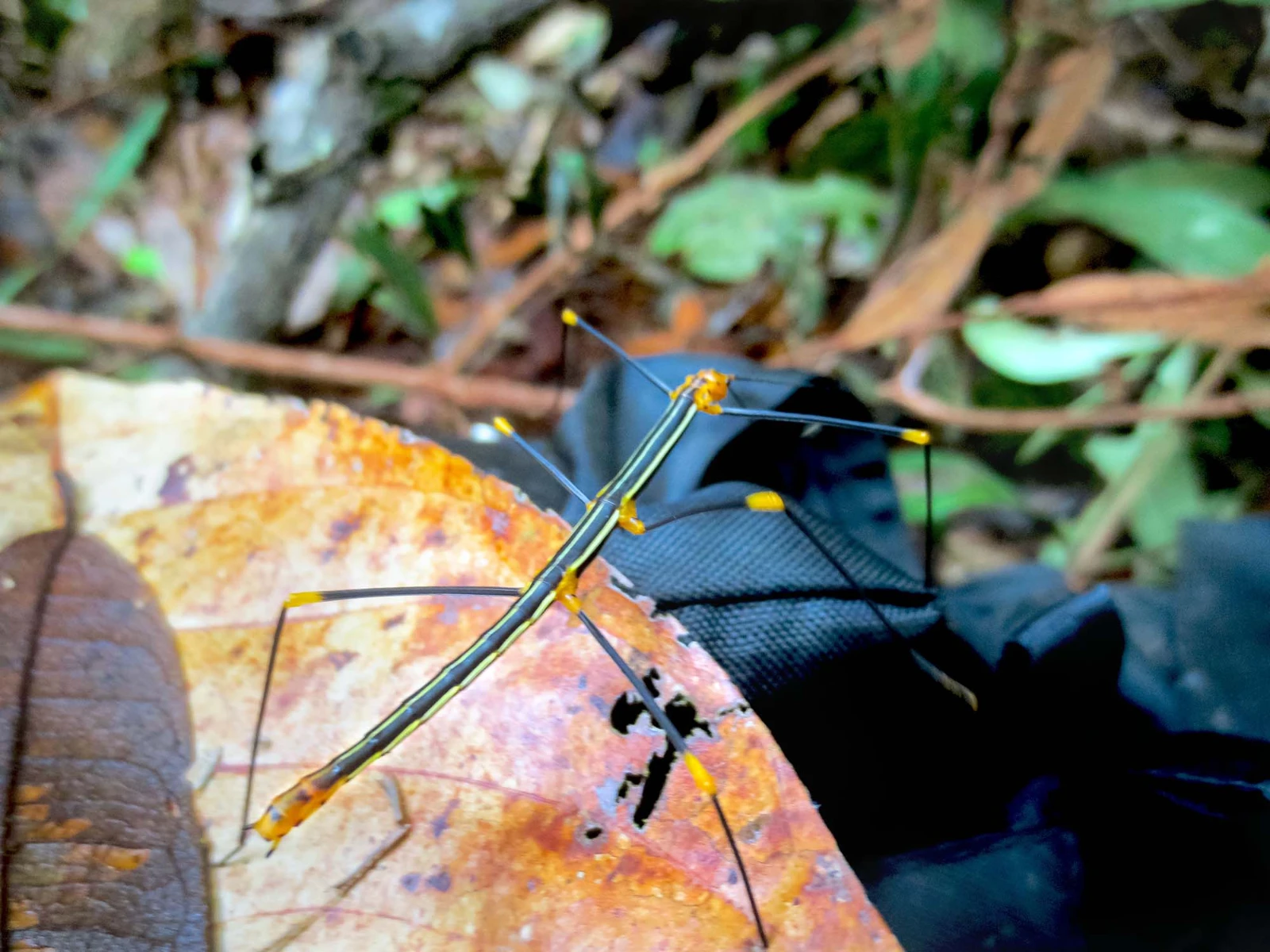
The mountain ridges of Sierra del Divisor function as natural water towers, capturing atmospheric moisture and feeding the headwaters of countless rivers and streams.
These freshwater systems sustain wildlife populations, Indigenous communities, and downstream ecosystems throughout large areas of the western Amazon, demonstrating that protecting the park also contributes to long-term regional water security.

Conclusion
Sierra del Divisor stands at a pivotal moment in its history.
Although its designation as a National Park marked one of Peru’s greatest conservation achievements, legal protection alone cannot stop illegal logging, mercury pollution, organized crime, or expanding infrastructure.
The long-term preservation of this extraordinary landscape depends on sustained government commitment, adequate funding for park rangers, effective law enforcement, scientific monitoring, and, above all, the continued leadership of Indigenous peoples, whose ancestral stewardship has protected these forests for countless generations.
Safeguarding Sierra del Divisor means preserving one of the world’s richest biodiversity hotspots, protecting irreplaceable Indigenous cultures, conserving one of the Amazon’s largest carbon reservoirs, and ensuring that one of Earth’s last truly wild landscapes continues to thrive.
👉 In Part 6
Exploring Sierra del Divisor: Expeditions, Logistics, and Jungle Survival: In the final chapter of this series, we explore the practical realities of traveling to one of the most remote destinations on Earth. Discover how specialized expeditions navigate deep Amazonian river systems, what it takes to survive in this challenging wilderness, and how Amazon Explorer designs low-impact expeditions that respect Indigenous sovereignty while providing an unforgettable journey into one of the world’s last unexplored frontiers.