The Sierra del Divisor National Park is not a destination for the average traveler.
Hidden deep within the Peruvian Amazon, this vast wilderness fortress has no roads, no modern infrastructure, and no conventional tourist routes. Here, ancient forests, remote rivers, and extreme landscapes dictate the rhythm of exploration.
Because of its extraordinary isolation, reaching Sierra del Divisor requires advanced logistics, specialized jungle skills, strict environmental ethics, and a deep understanding of Amazonian ecosystems.
For those prepared to enter this remote world, however, the rewards are unparalleled: some of the most exceptional opportunities on Earth for wildlife observation, scientific exploration, professional photography, rainforest survival training, and true wilderness adventure.
This is what it takes to explore the lost world of Sierra del Divisor—and how Amazon Explorer makes expeditions into one of the planet’s last unexplored frontiers possible.
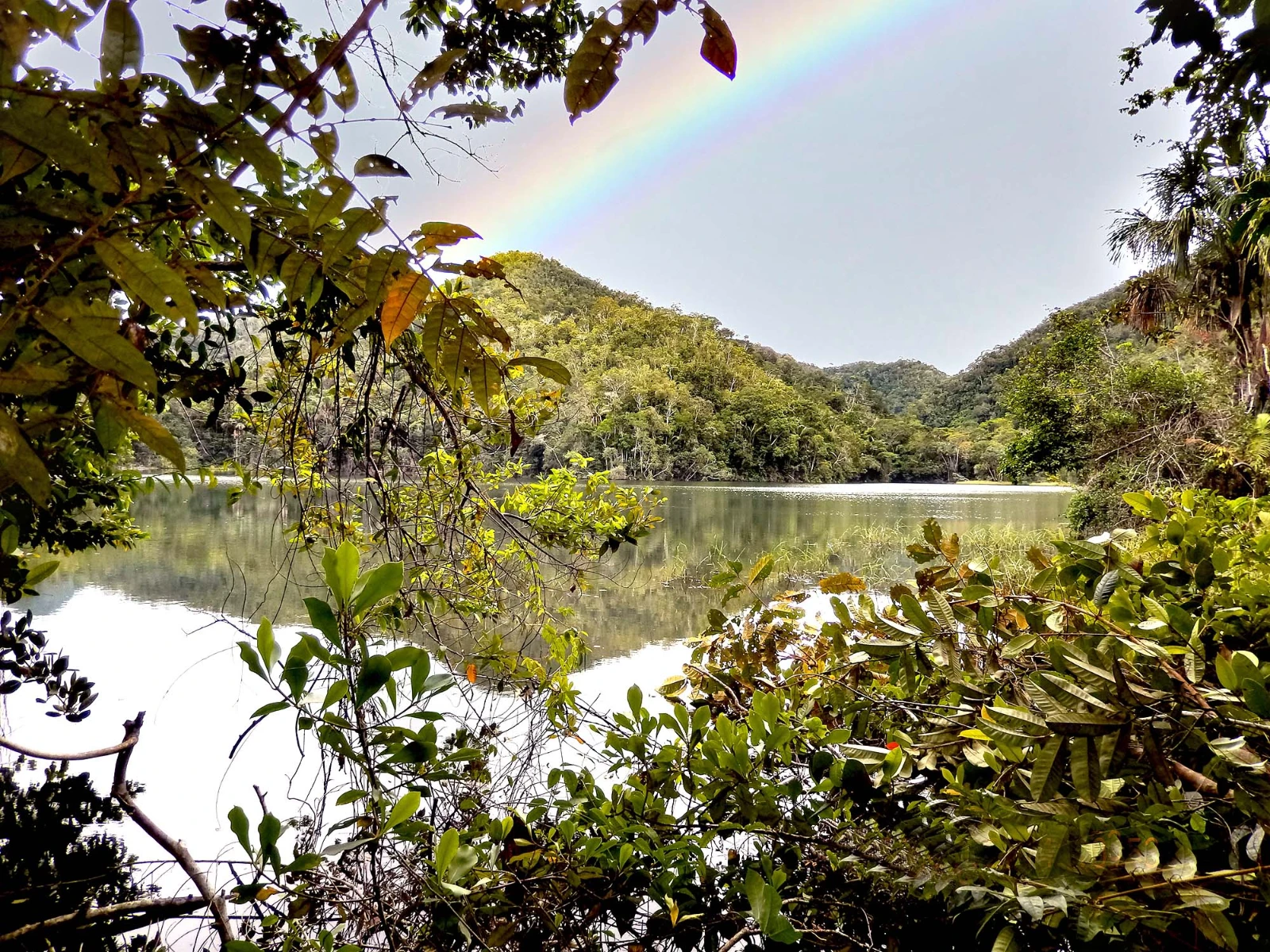
The Logistics of Reaching the Unknown
Reaching Sierra del Divisor is not a simple journey. Depending on the destination, expeditions can require several days of river navigation combined with demanding overland trekking.
There are no roads leading into the national park. The only access routes are the remote rivers that cross the deep Amazon rainforest of eastern Peru.
Depending on the sector being explored, expeditions may follow three major waterways:
The Tapiche River Basin
The Tapiche River flows through the western buffer zone of Sierra del Divisor and represents an important gateway into this remote region.
Travel along the Tapiche involves navigating deep Amazonian waters by motorized canoe, passing through flooded forests, narrow tributaries, and isolated communities.
This route offers exceptional opportunities for observing aquatic wildlife, river ecosystems, and primates living along the forest edges.
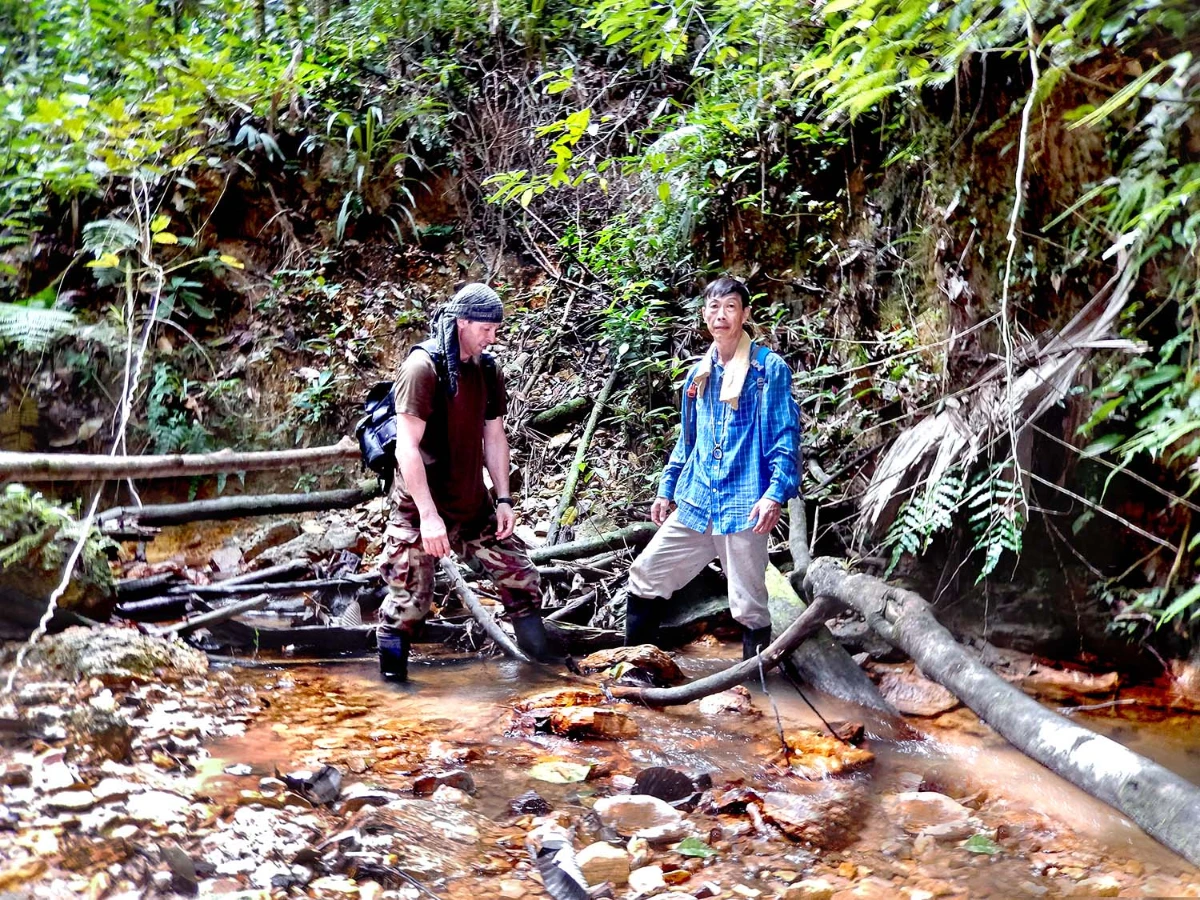
The Yaquerana River
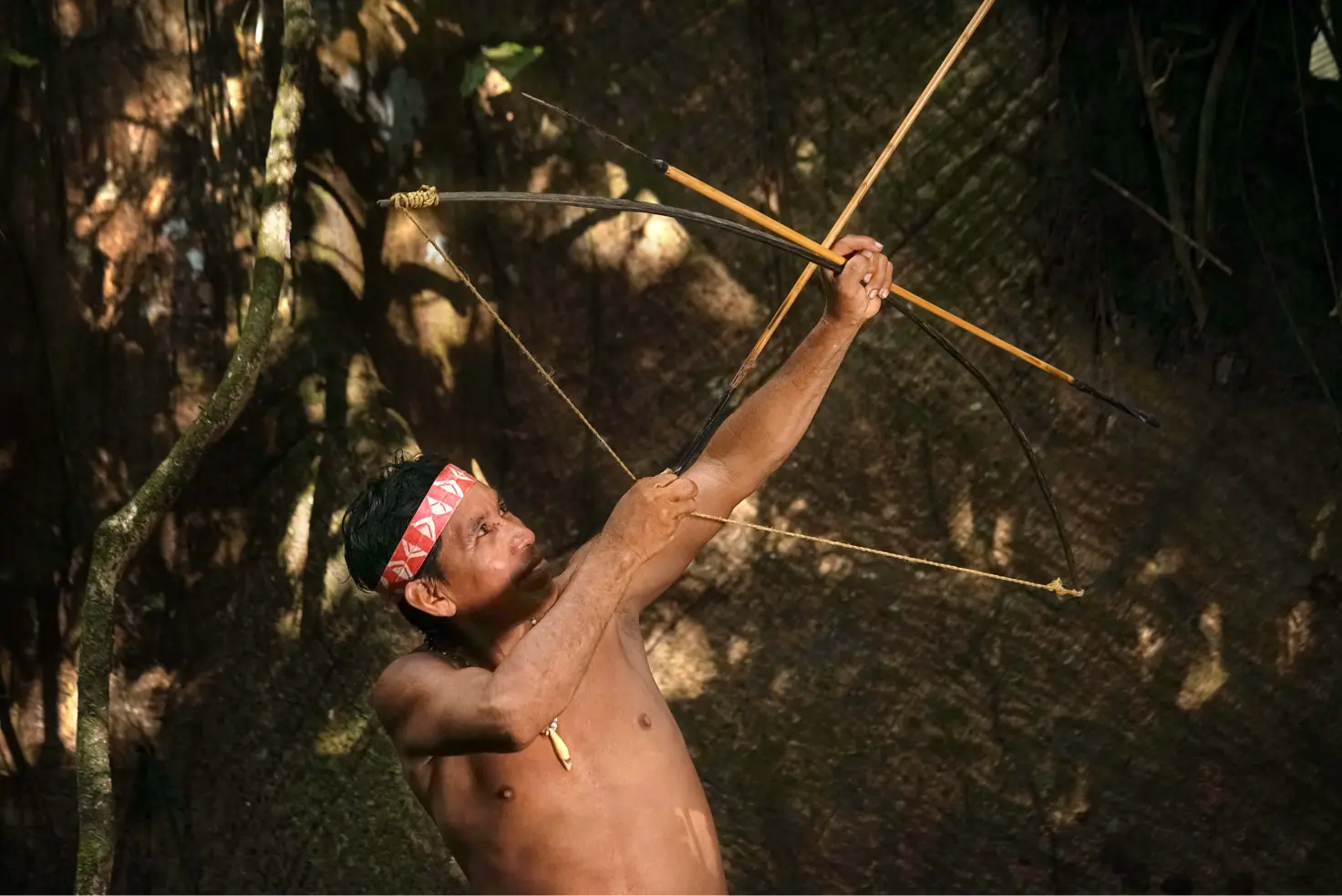
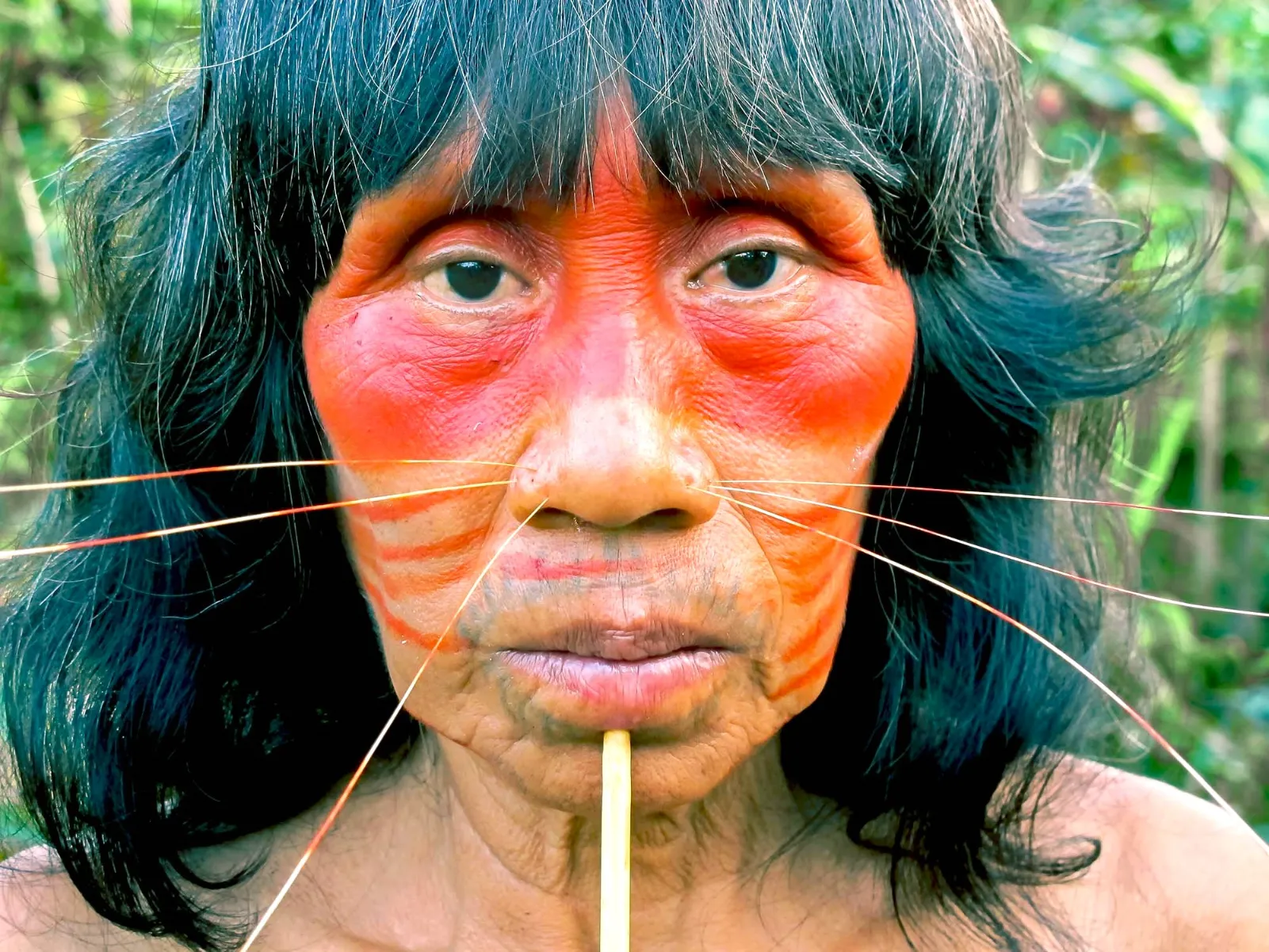
The Yaquerana River, with its fast currents, seasonal sandbanks, and remote tributaries, forms part of the ancestral territory of the Matsés people.
Navigating this river requires experience with Amazonian conditions, including changing water levels, strong currents, and difficult passages.
The Yaquerana serves as a strategic access route for expeditions focused on deep rainforest exploration, Indigenous cultural connections, and access toward the highlands of Sierra del Divisor.
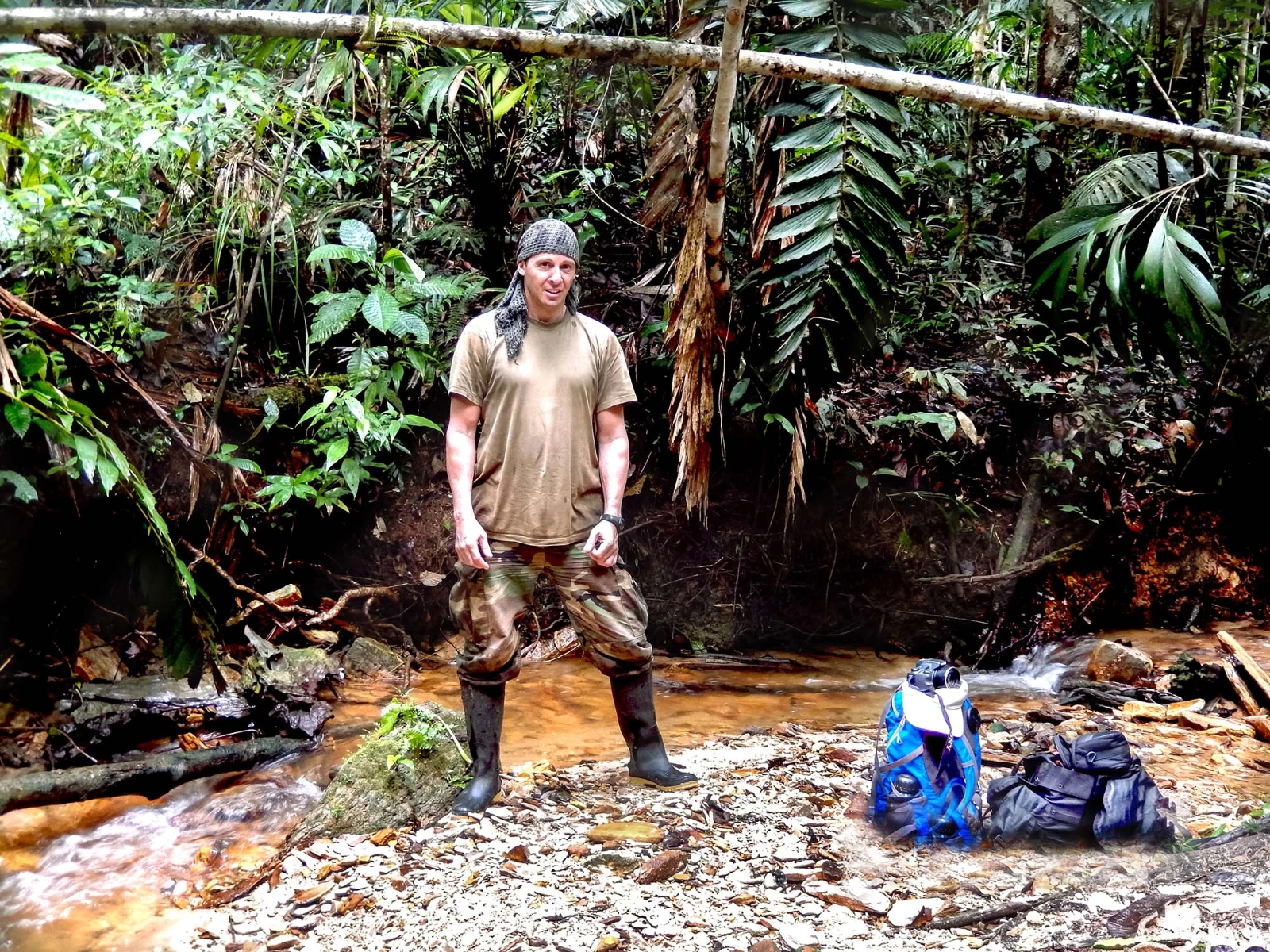
The Javari (Yavarí) River
The Javari River forms part of the natural border between Peru and Brazil and represents one of the most remote waterways of the western Amazon.
Its enormous winding course provides access toward some of the least visited areas of the region, where human presence remains extremely limited and vast forests continue functioning with minimal disturbance.
Exploring the Unknown: The Historic 2014 Expedition
True exploration is not simply visiting places already marked on a map. It means entering landscapes where modern humans have rarely—or never—ventured.
At Amazon Explorer, exploration has always been at the center of our mission.
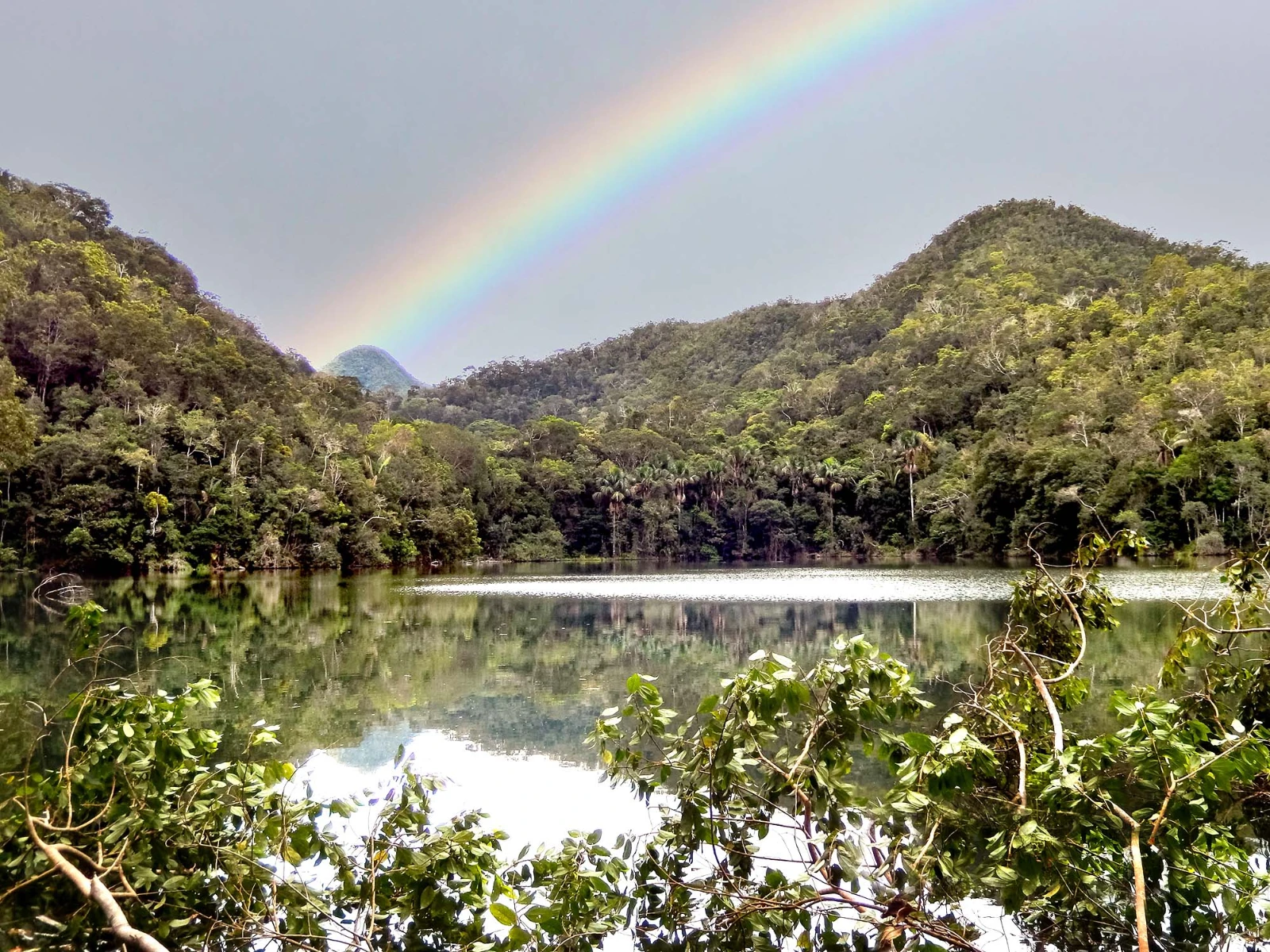
The 40-Day Search for a Lost Lake
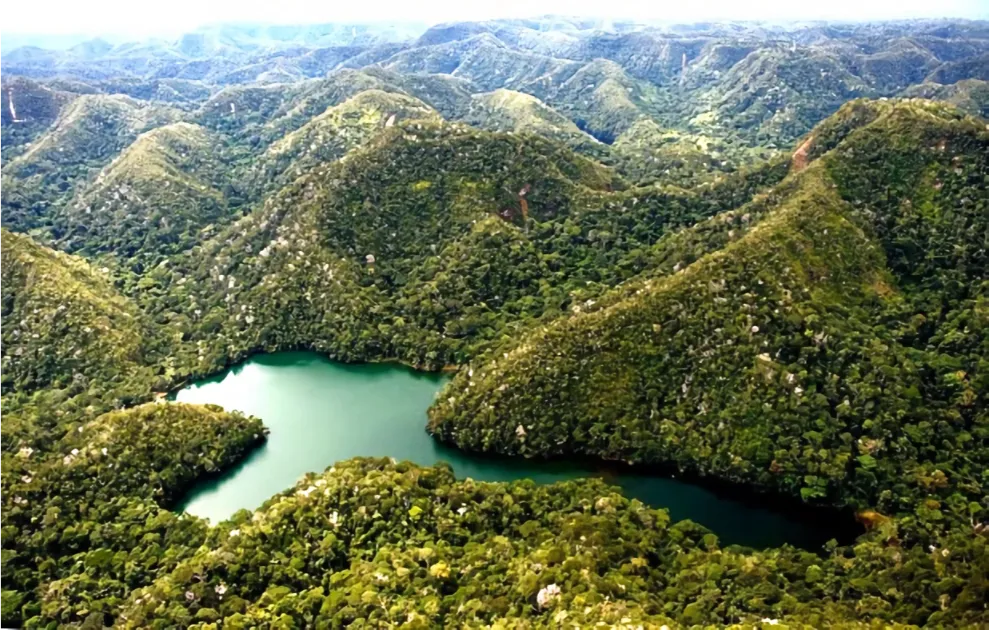
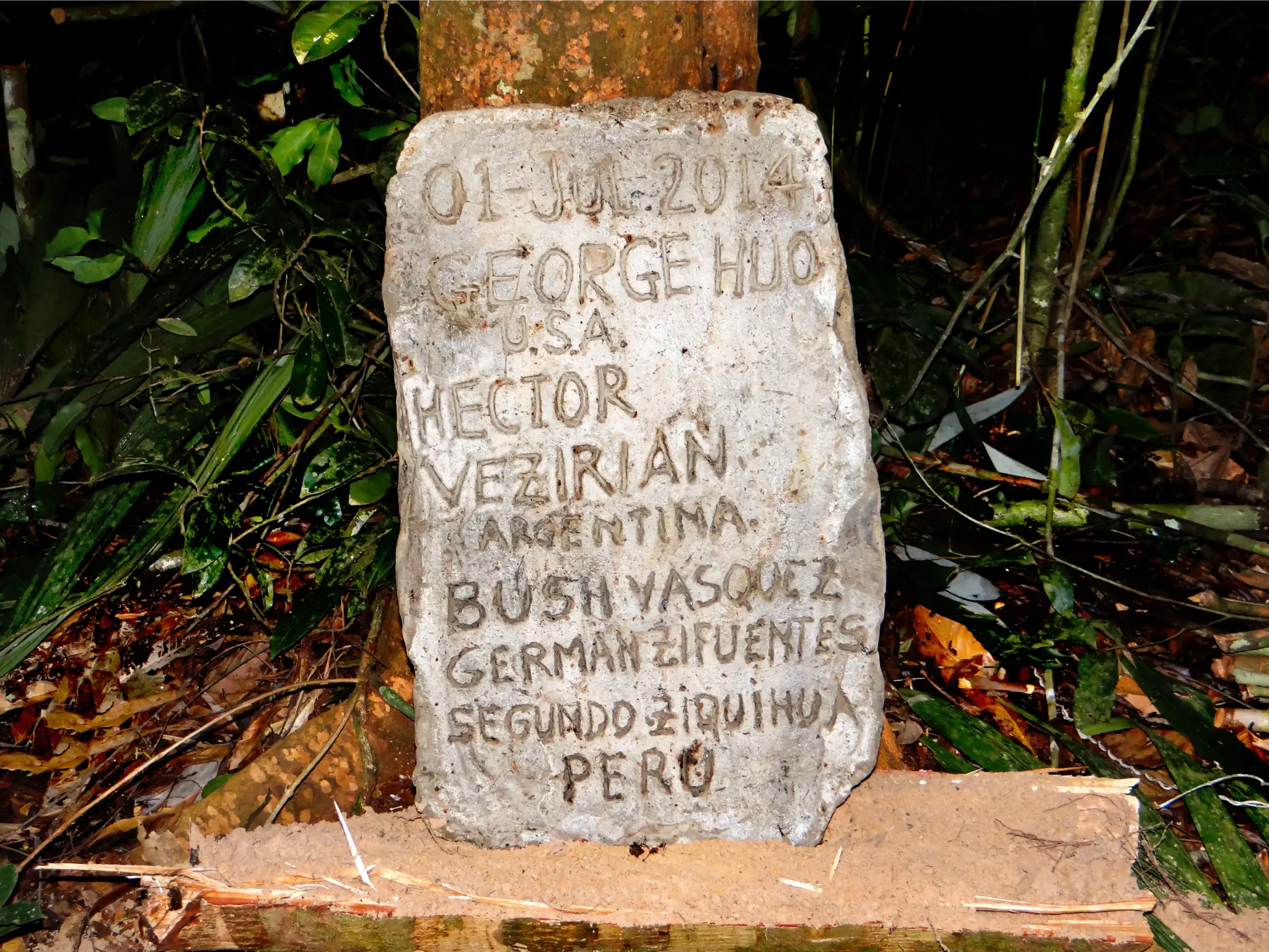
In July 2014, Amazon Explorer organized a demanding 40-day expedition deep into the unexplored interior of the Sierra del Divisor.
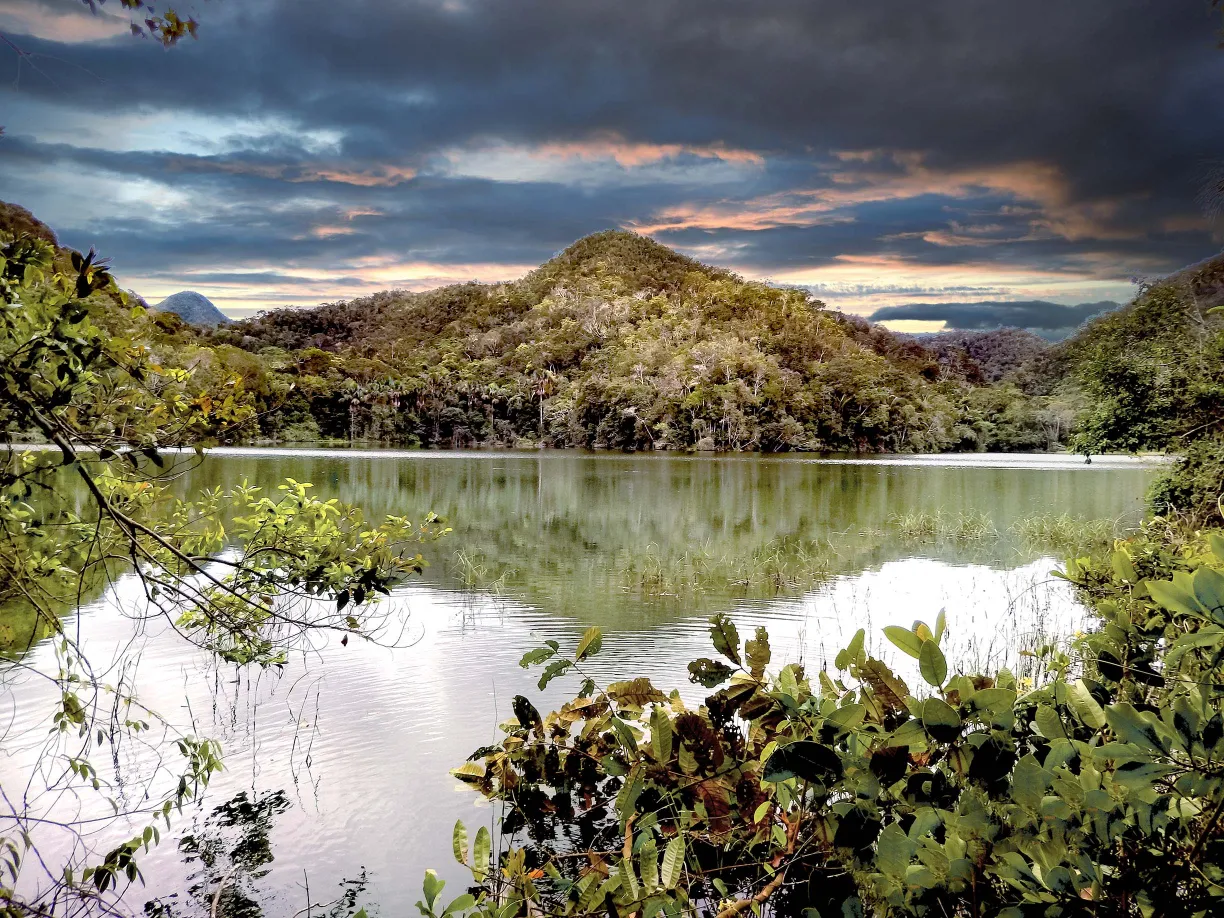
The objective was to reach a remote, previously undocumented crystalline lake hidden deep within the mountains.
After weeks of navigating challenging terrain, crossing pristine rainforest, and enduring extreme physical conditions, the expedition team became the first, and to the best of our knowledge remains the only team, to reach this remote lake entirely on foot.
As a lasting record of this achievement, the team left behind a commemorative plaque bearing the names of its members, marking a milestone in the exploration history of this remote Amazonian landscape.
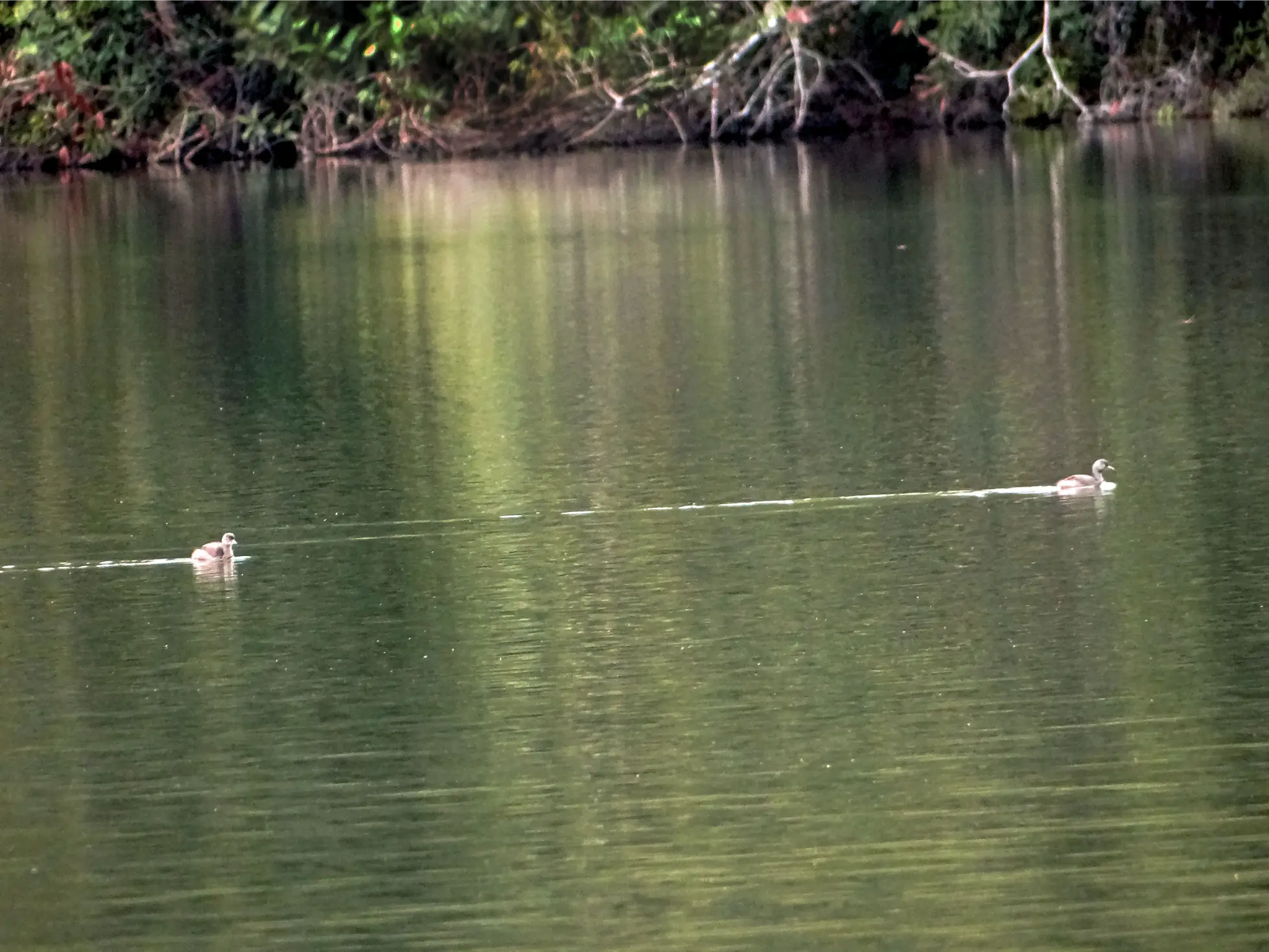
The Challenges of Sierra del Divisor: Extreme Jungle Survival
An expedition into Sierra del Divisor represents one of the highest levels of physical and technical difficulty found in Amazon exploration.
Unlike the relatively accessible rainforest trails near tourist lodges around Iquitos, this region presents a completely different environment:
- Steep elevation changes.
- Sandstone ridges and rocky formations.
- Slippery clay slopes.
- Dense vegetation with no established trails.
- Seasonal wetlands and difficult terrain.
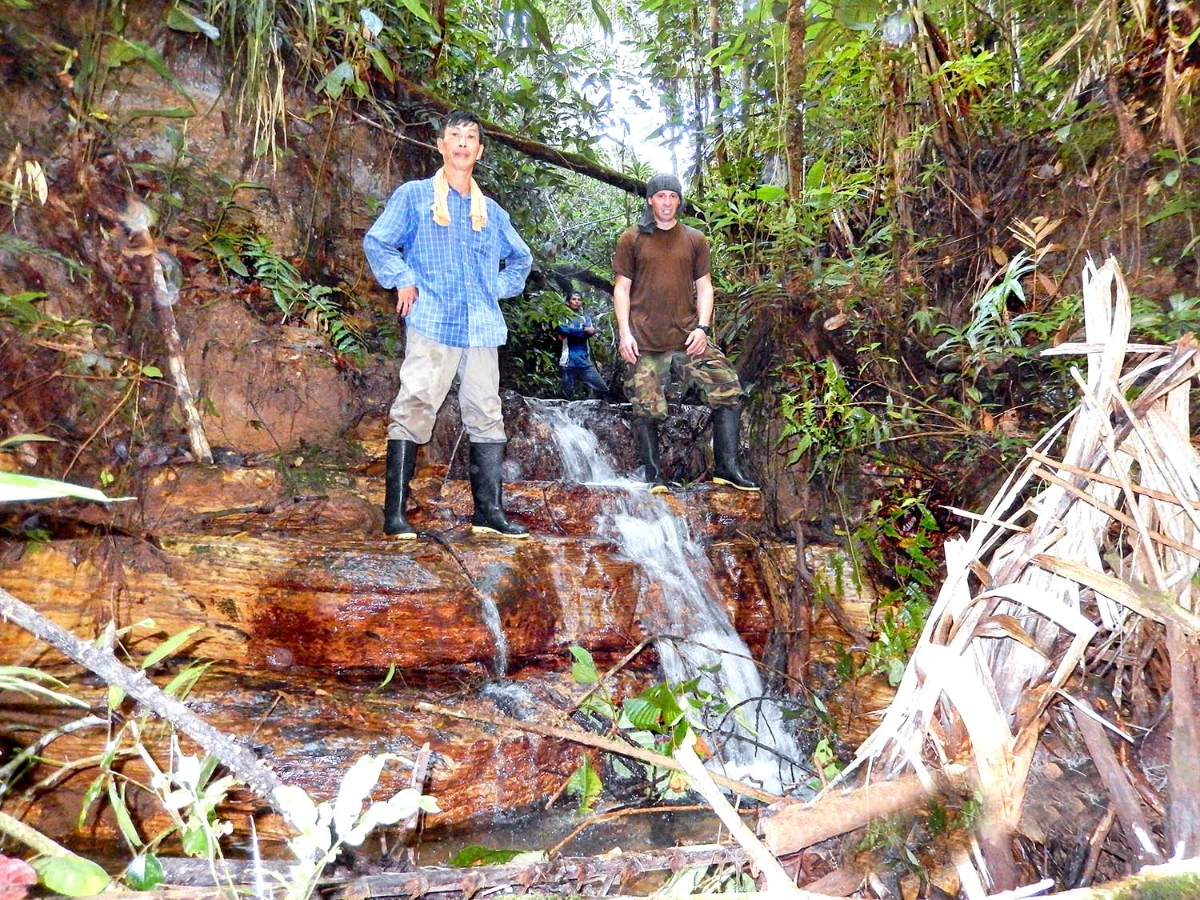
Expedition Profile: Sierra del Divisor
Physical Difficulty: Extreme
Requires excellent physical conditioning, endurance, agility, and mental resilience.
Environment:
Humid mountain rainforest, steep ridges, flooded forests, muddy slopes, and remote wilderness.
Navigation:
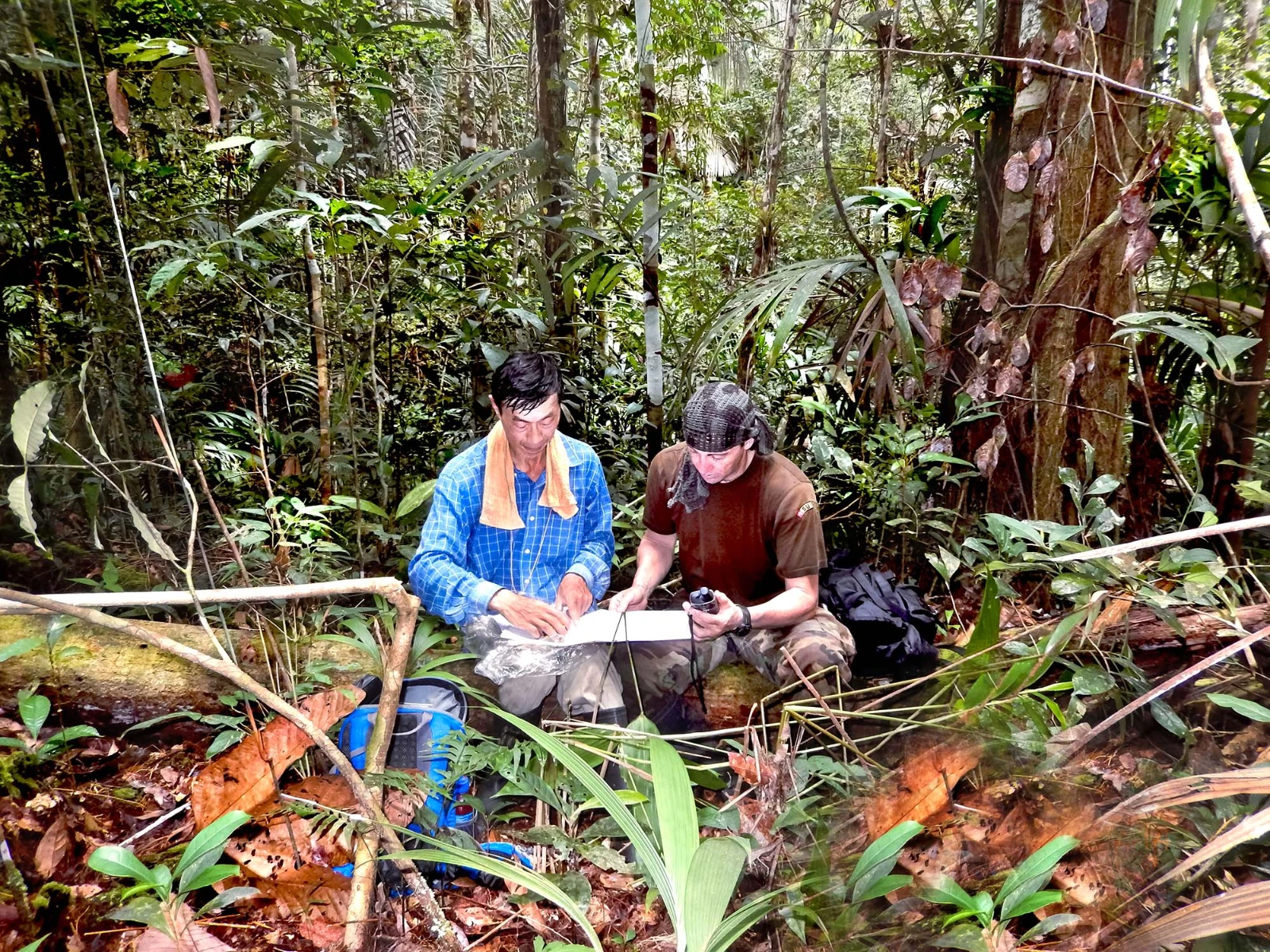
Off-trail movement, map and compass use, GPS navigation, natural sign navigation, terrain reading, and route selection based on local conditions.
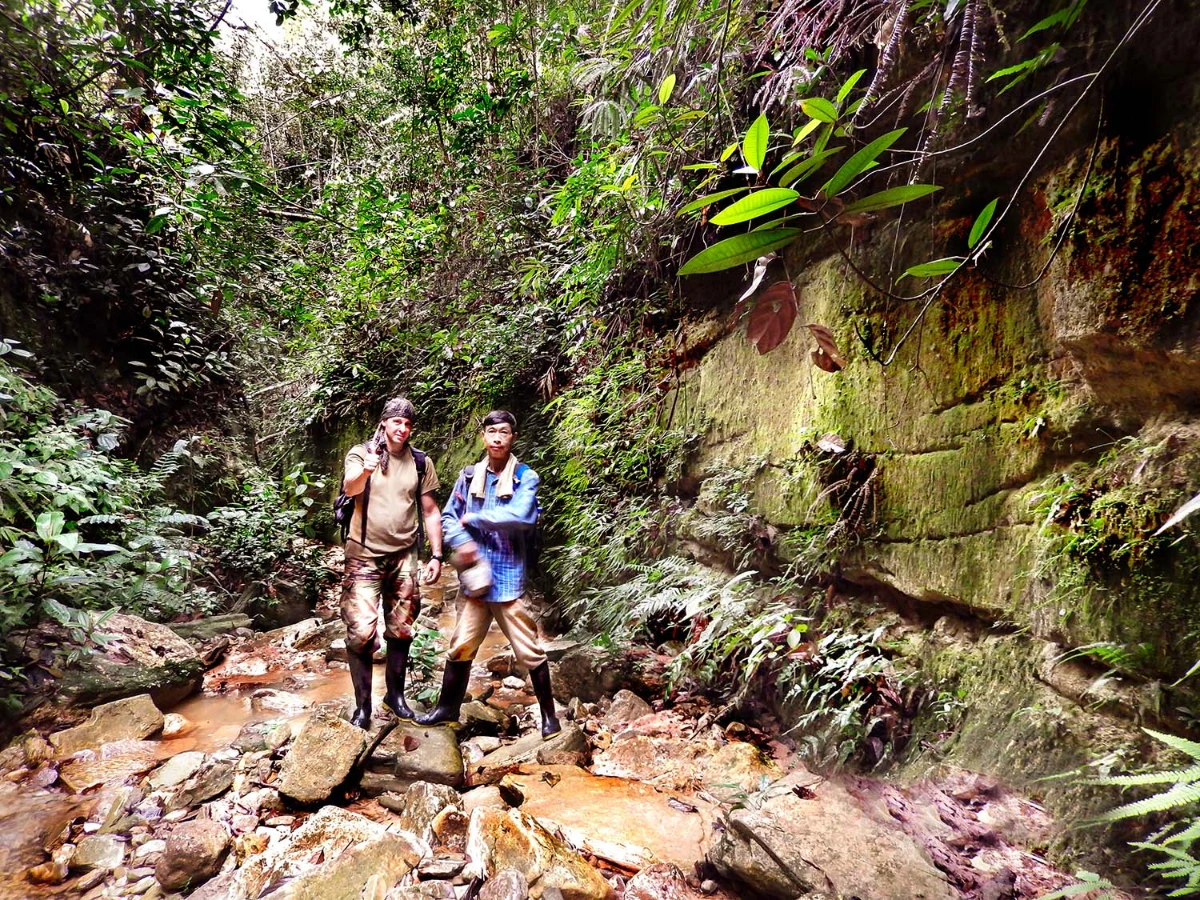
Essential Skills:
River navigation, emergency first aid, shelter construction, fire management, and water purification.
Entering Sierra del Divisor means entering an ecosystem where self-sufficiency is essential.
True jungle survival skills include:
- Finding and treating safe drinking water.
- Navigating without trails.
- Building emergency shelters using natural materials.
- Managing exposure to extreme humidity and rainfall.
- Adapting to a constantly changing rainforest environment.
Wildlife Photography and Observation in a Pristine Wilderness
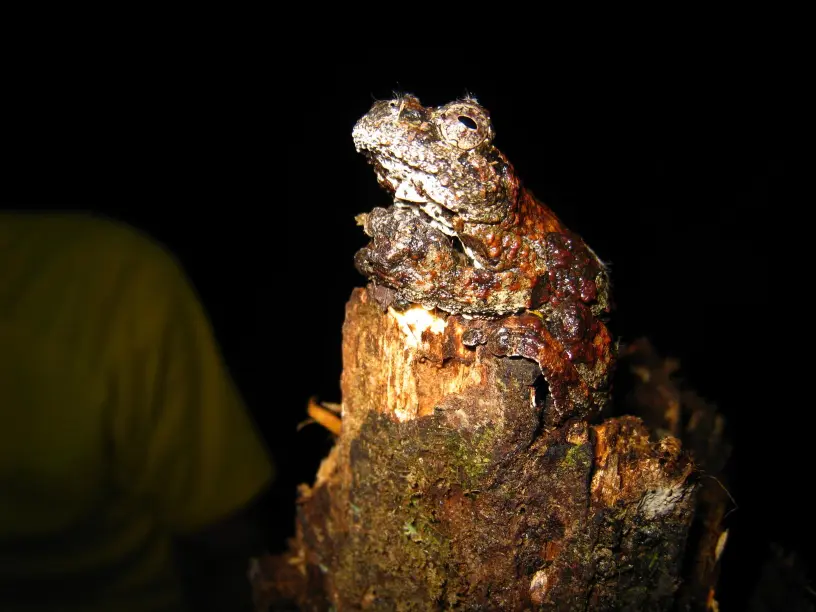
For professional photographers, researchers, and wildlife enthusiasts, the difficulty of reaching Sierra del Divisor is matched by extraordinary rewards.
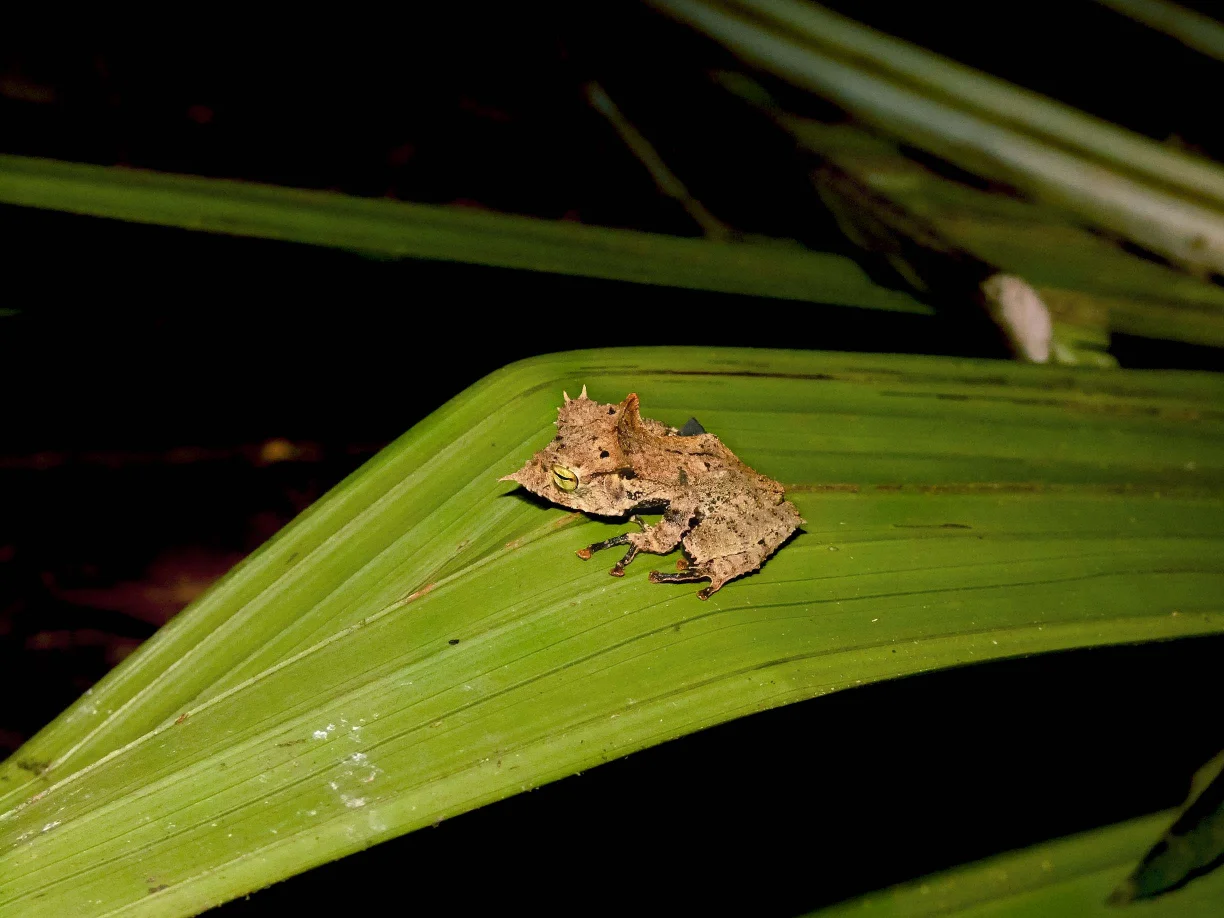
Because many areas of the park have experienced very limited human disturbance, wildlife behavior remains remarkably natural.
Birdwatching in Untouched Amazon Forest
The unique landscapes of Sierra del Divisor—including mountain ridges, isolated forests, and dwarf forest ecosystems—create exceptional opportunities for bird observation.
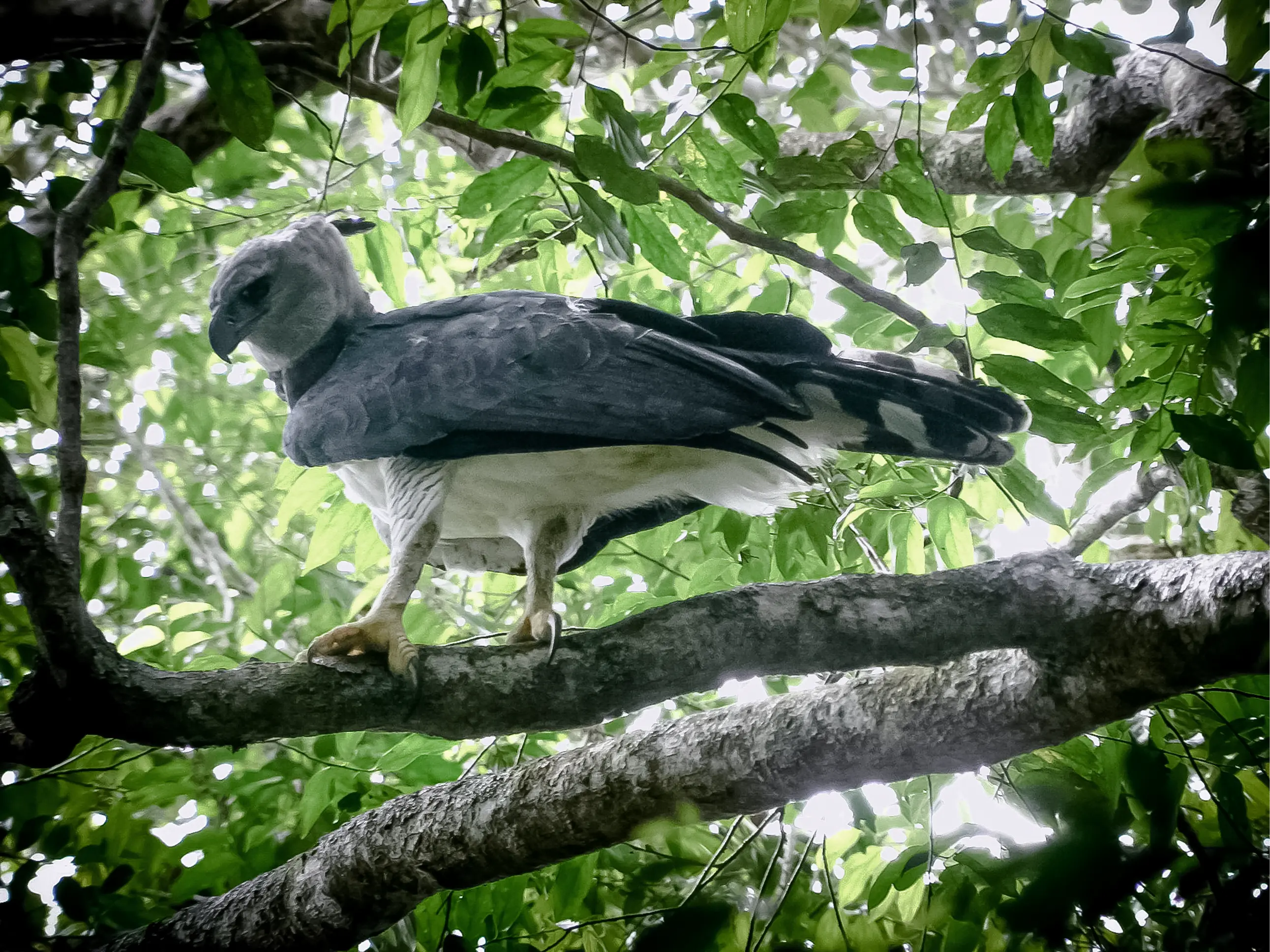
Expedition participants may encounter spectacular species such as:
- The harpy eagle (Harpia harpyja), one of the world’s most powerful rainforest predators.
- The Acre antshrike (Thamnophilus divisorius), a highly localized species associated with the region’s unique dwarf forests.
For experienced birdwatchers, documenting these species in their natural habitat represents an extraordinary experience for dedicated birdwatchers.
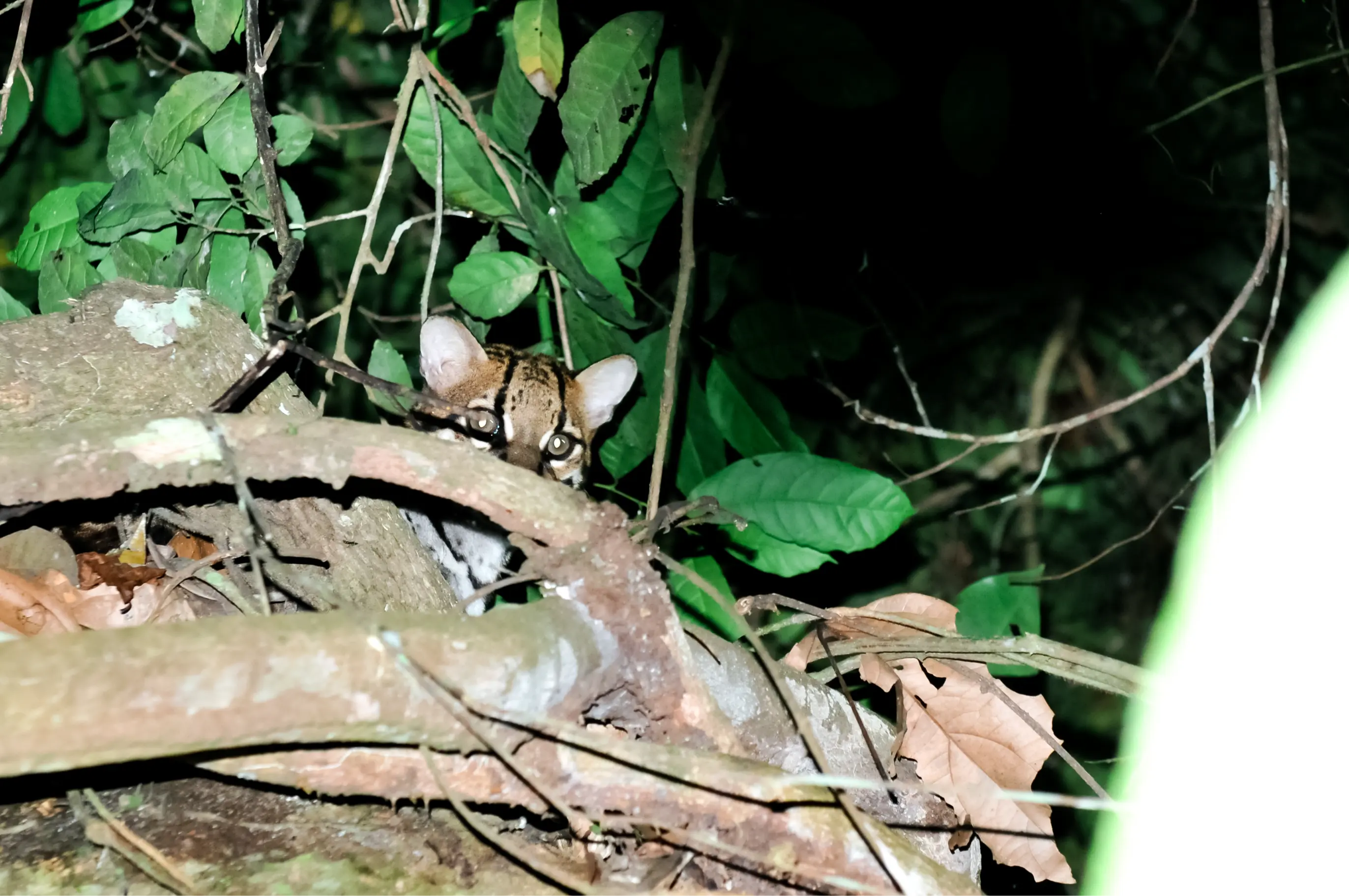
Tracking Primates and Amazon Predators
Expert tracking skills can reveal signs of some of the Amazon’s most fascinating wildlife.
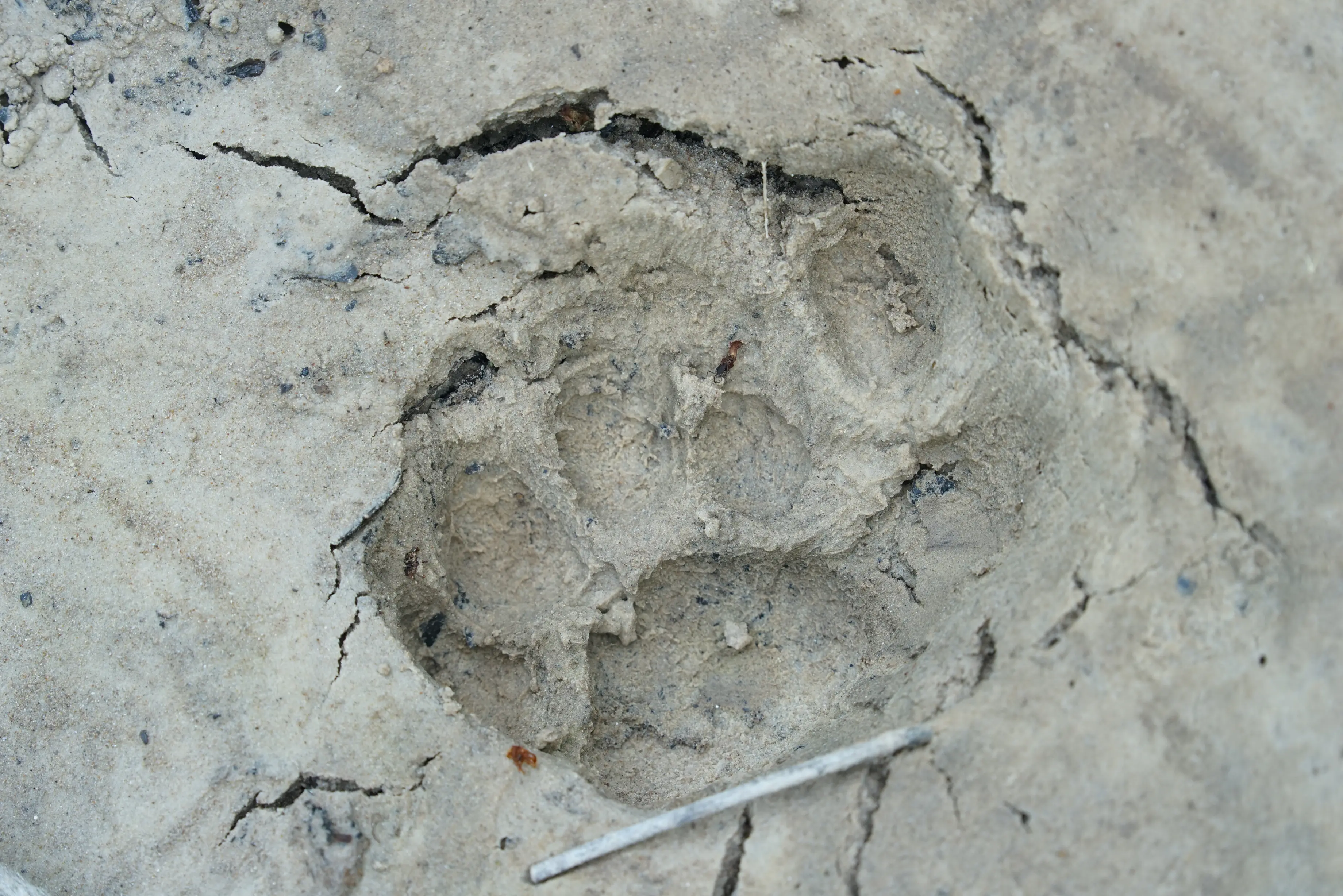
Possible encounters include:
- The red-faced Ucayali uakari (Cacajao calvus ucayalii), one of the most iconic primates of Sierra del Divisor.
- Giant river otters hunting in remote lagoons.
- Black caimans along isolated waterways.
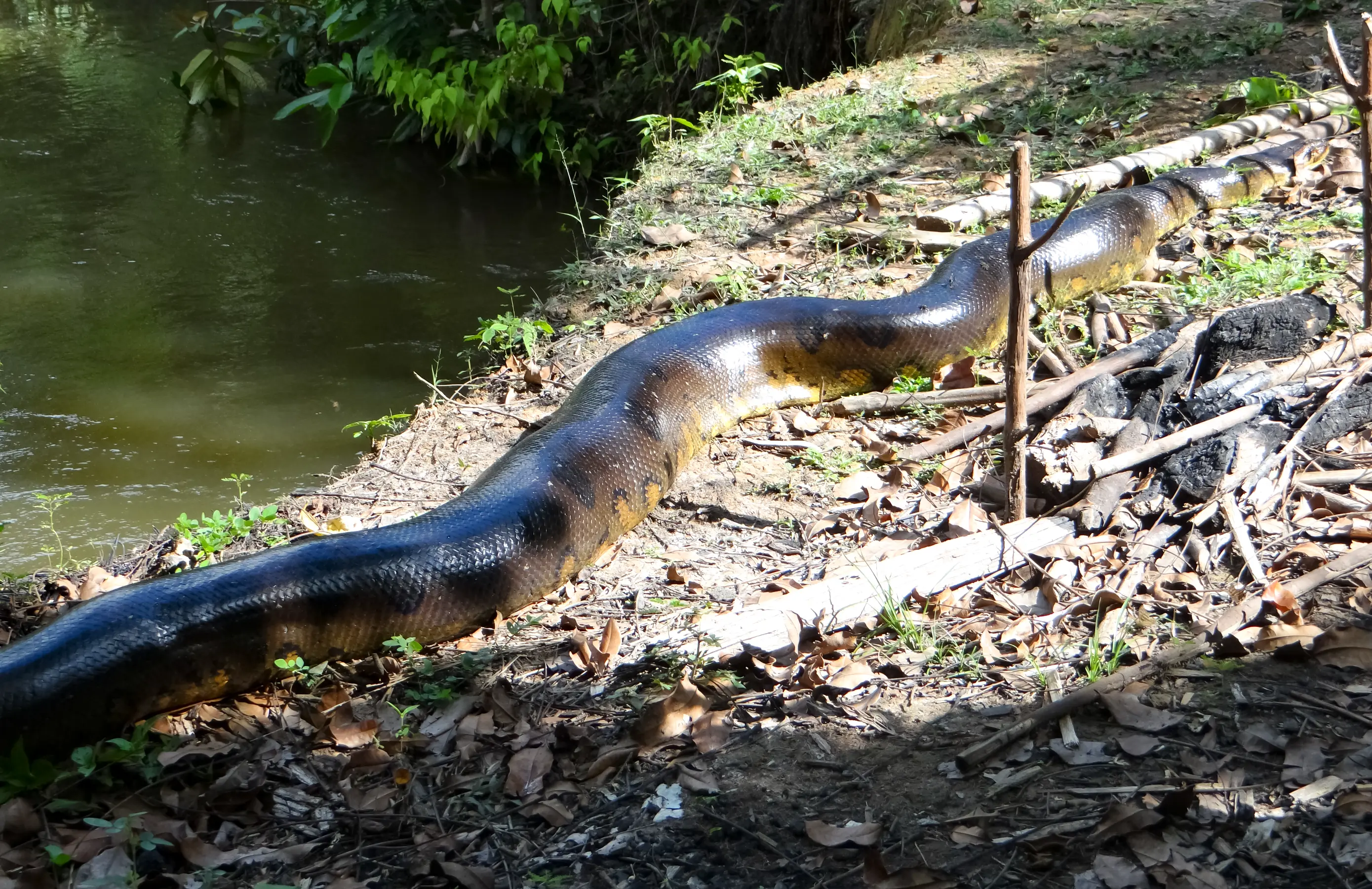
- Green anacondas in aquatic environments.
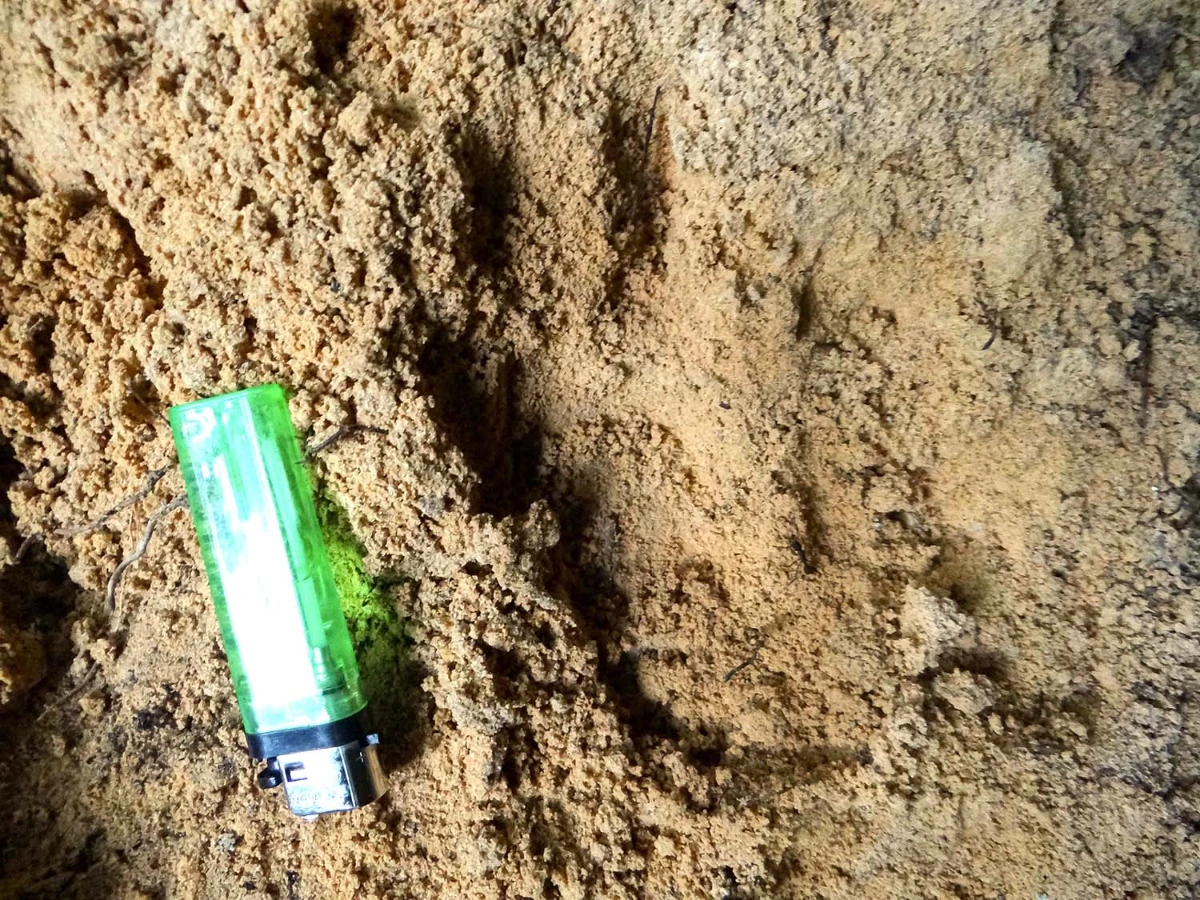
- Jaguar tracks along riverbanks and muddy forest trails.
In Sierra del Divisor, every footprint, vocalization, and movement through the forest tells a story.
Responsible Exploration: Protecting Indigenous Peoples in Isolation
Traveling to Sierra del Divisor carries a profound ethical responsibility.
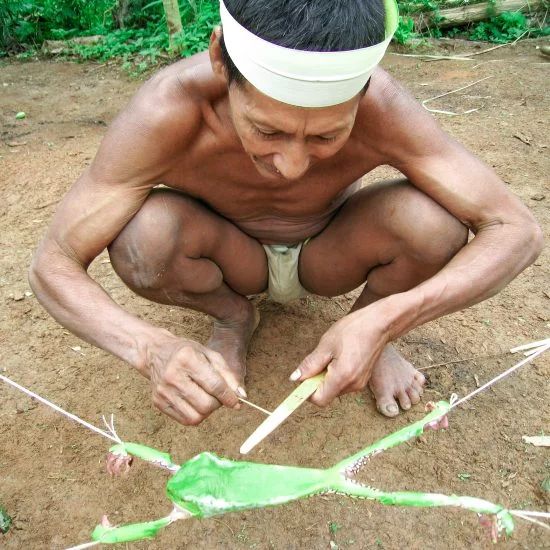
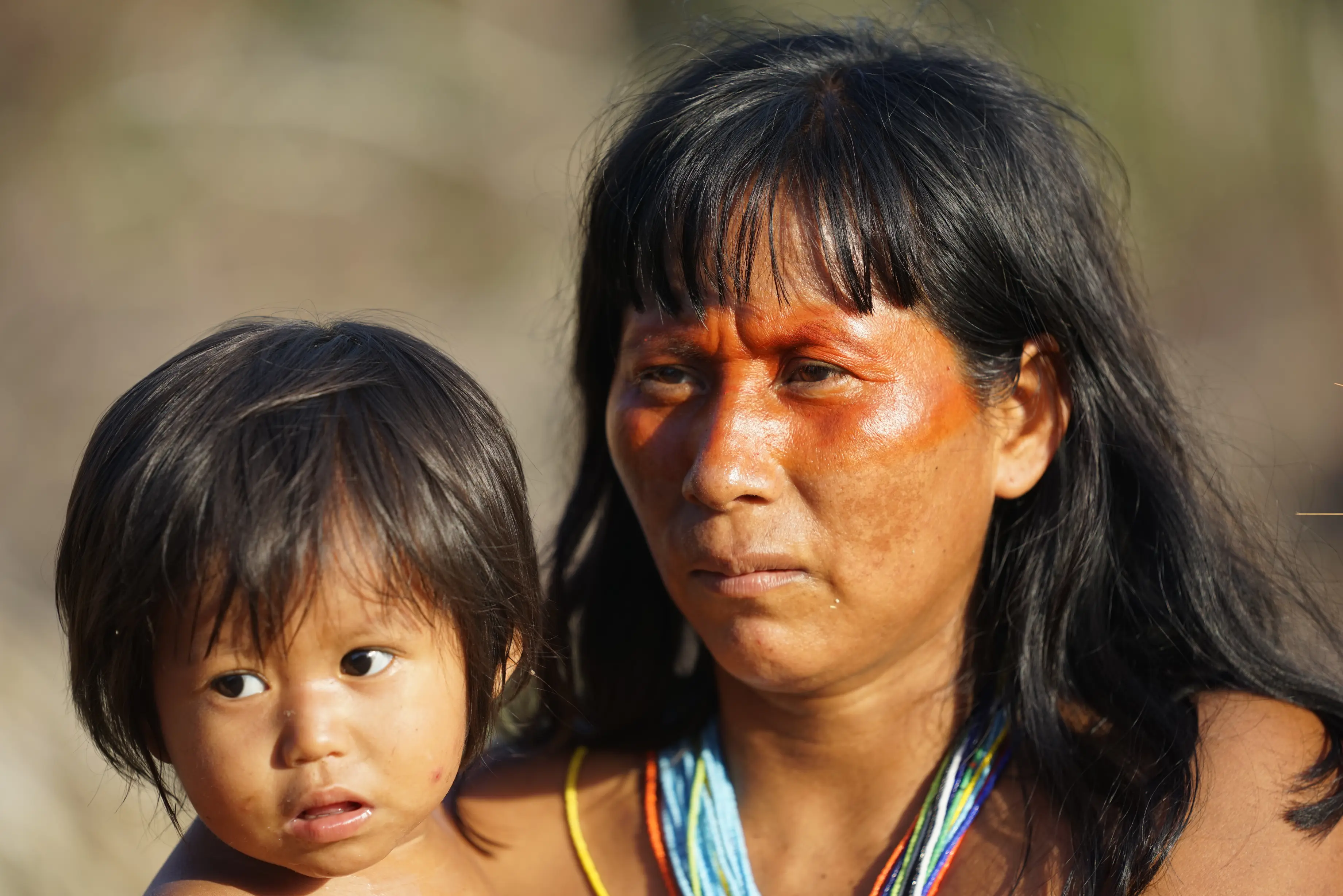
This national park is not only a biodiversity hotspot—it is also the ancestral territory of Indigenous peoples, including the Matsés, the Isconahua, and Indigenous Peoples Living in Voluntary Isolation and Initial Contact (PIACI).
Strict Protection of Restricted Areas
Responsible exploration requires absolute respect for protected zones.
Entering territories reserved for Indigenous peoples living in isolation is illegal, dangerous, and ethically unacceptable.
These restrictions exist to protect communities that have chosen to avoid outside contact and whose survival depends on territorial protection.
Respect for Indigenous Cultures
Any interaction with Indigenous communities that maintain contact with broader society must follow established protocols, legal permissions, and culturally appropriate practices.
Responsible tourism should support:
- Indigenous self-determination.
- Protection of ancestral territories.
- Fair economic opportunities.
- Respect for traditional knowledge and cultural values.
Amazon Explorer: Specialized Expeditions into the Deep Amazon
With more than two decades of experience exploring remote regions of the Peruvian Amazon, Amazon Explorer specializes in designing deep jungle expeditions and survival programs in challenging environments.
We do not offer conventional rainforest tours.
We create specialized expeditions for explorers, researchers, photographers, filmmakers, and adventure travelers seeking authentic Amazon experiences far beyond traditional tourism.
Jungle Survival Programs
Our survival expeditions take wilderness training beyond basic outdoor skills.
Participants learn how to:
- Interpret rainforest signs.
- Track wildlife.
- Build emergency shelters.
- Navigate through primary forest.
- Understand Amazonian ecosystems.
- Develop the mental resilience required for remote environments.
These programs combine practical survival knowledge with the guidance of experienced local trackers and Amazon specialists.
Advanced Expedition Logistics
Exploring Sierra del Divisor requires meticulous preparation.
Amazon Explorer manages the complex elements necessary for deep-jungle expeditions in the Peruvian Amazon, including:
- Indigenous community coordination and permissions.
- Protected area requirements.
- Experienced local guides and trackers.
- Specialized river transportation.
- Satellite communication systems.
- Emergency planning and evacuation protocols.
Our mission is to allow explorers to focus completely on the experience while we manage the challenges behind the expedition.
Conclusion
Sierra del Divisor represents one of the last places on Earth where it is still possible to experience nature on its own terms.
It is a landscape that demands respect, preparation, humility, and determination.
Beyond the mountains, rivers, and forests lies something even more valuable: a rare opportunity to connect with a world that remains largely untouched by modern civilization.
For those willing to leave the familiar behind, challenge their limits, and enter one of the planet’s final wilderness frontiers, Sierra del Divisor awaits.
Explore responsibly.
Explore beyond the ordinary.
Explore with Amazon Explorer.
End of the Sierra del Divisor Series
Part 1 – The Hidden Mountain Range of the Peruvian Amazon
Part 2 – Landscapes and Ecosystems of Sierra del Divisor
Part 3 – The Wildlife of Sierra del Divisor
Part 4 – Matsés, Isconahua & Indigenous Peoples in Voluntary Isolation
Part 5 – Conservation and Threats Facing Sierra del Divisor
Part 6 – Expeditions, Logistics, and Jungle Survival