History and early external contact in the Javari Basin
The recent history of the Matsés people, an Indigenous group of the western Amazon, is shaped by centuries of territorial mobility, interethnic conflicts, and gradual external contact.
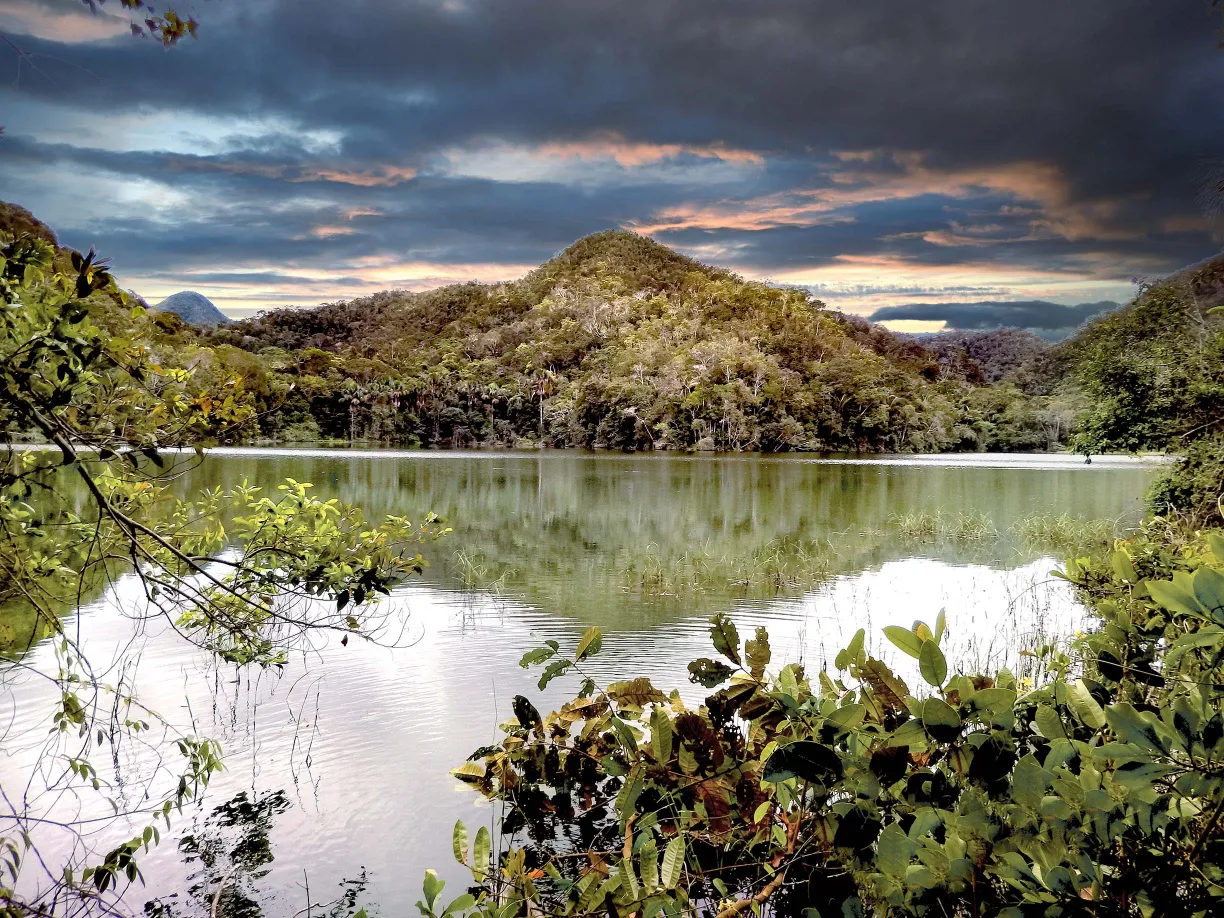
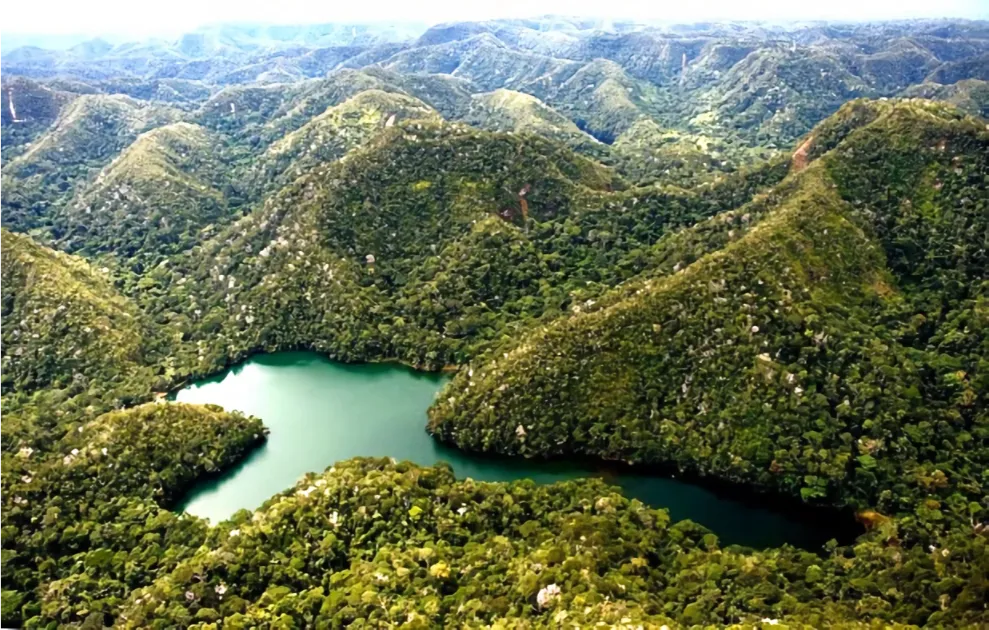
Located along the Peru–Brazil border in the Javari River Basin (also known as Yavarí), the Matsés inhabit one of the most remote and biodiverse regions of the Amazon rainforest. Their historical trajectory is closely linked to the dynamics of Indigenous relations in the western Amazon, the Amazon rubber boom, missionary expansion, and the later arrival of state institutions in the region.
Interethnic warfare in the western Amazon
Until the mid-20th century, the Matsés lived within a broader regional system characterized by interethnic warfare among Indigenous peoples of the Javari Valley (Javari/Yavarí River Basin), a vast Amazonian region that includes key tributaries such as the Gálvez, Yaquerana, and Chobayacu rivers, where many Matsés communities are located.
Rather than isolated violent events, these conflicts were part of a complex socio-territorial system in the western Amazon, where mobility, alliance-building, and the incorporation of captured individuals played a central role in social organization.
Intergroup expeditions could include raids, defensive actions, and the incorporation of captured women and children into local Matsés communities. Over time, these processes contributed to demographic growth and to the culturally diverse composition of the Matsés people, shaped by long-term interaction with neighboring Indigenous groups in the Amazon rainforest.
The Amazon rubber boom and Indigenous displacement
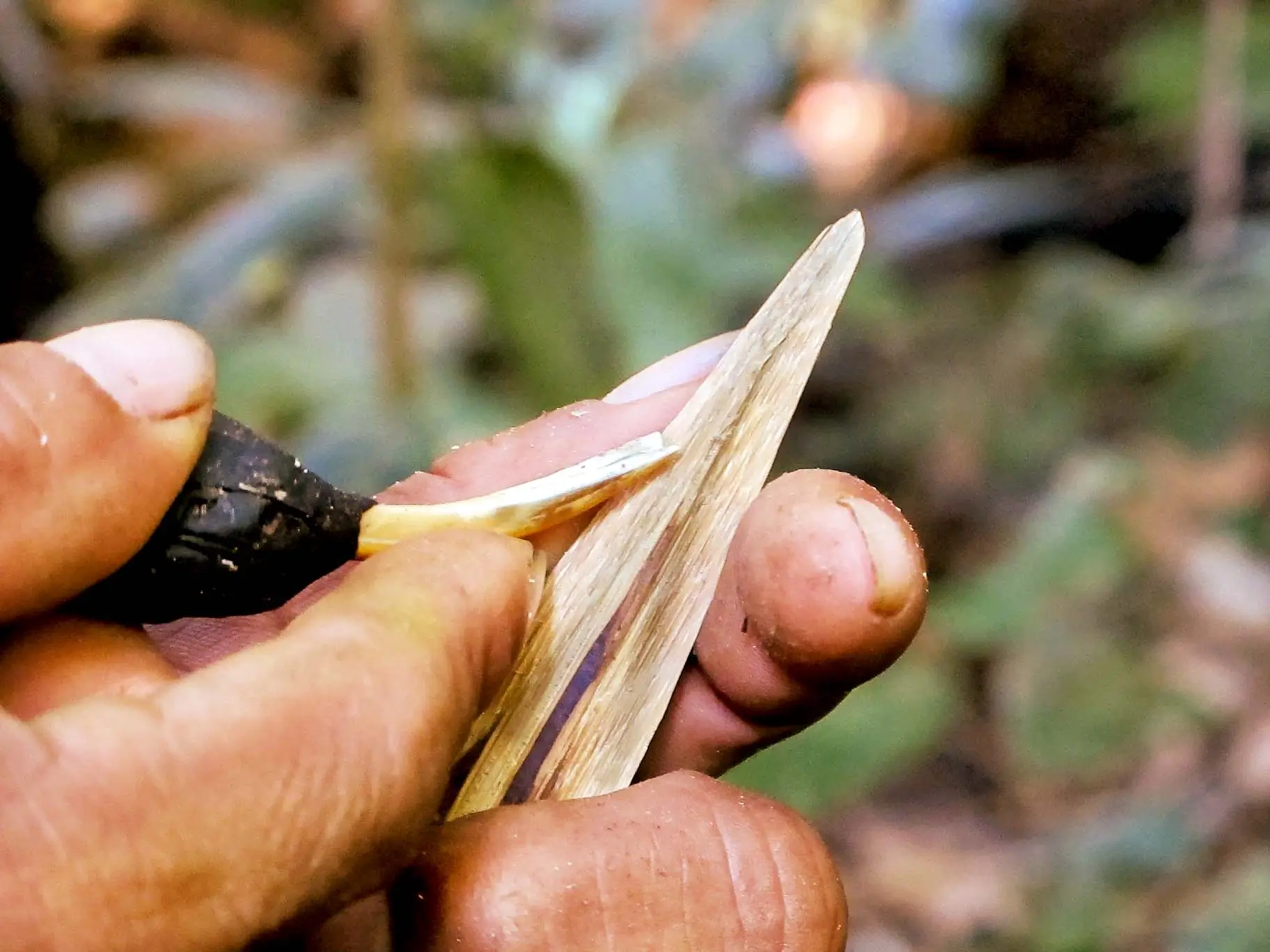
Between the late 19th century and early 20th century, the Amazon rubber boom transformed vast areas of the Javari Basin.
The expansion of rubber extraction camps (“seringais”) placed increasing pressure on Indigenous territories along the Peru–Brazil Amazon border. In response, the Matsés adopted a strategy of territorial withdrawal into remote interfluvial zones, away from major rivers and extractive routes.
Unlike many other Indigenous groups of the Amazon who were forced into labor systems, the Matsés maintained high territorial mobility and relative isolation during this period. This allowed the continuation of their traditional social and cultural systems for several decades despite regional upheaval.
First contact with settlers and frontier conflicts (1920–1950s)
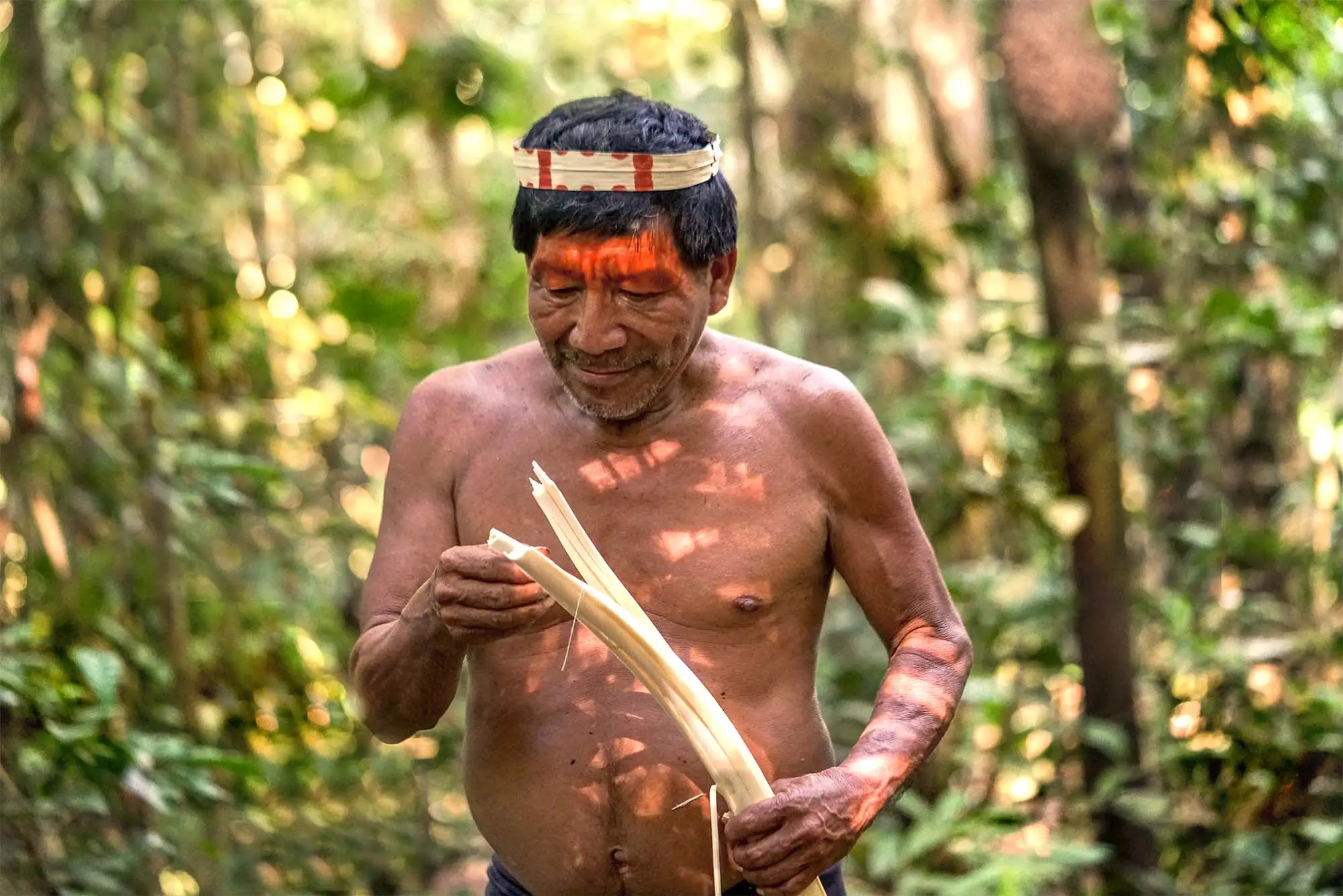
From the 1920s to the 1950s, contact between the Matsés and external actors, such as rubber tappers, loggers, and settlers, increased significantly across the Javari frontier.
These encounters were marked by strong territorial tensions, as extractive activities expanded deeper into the western Amazon rainforest.
In several cases, these interactions escalated into violent conflicts and punitive expeditions organized by local authorities and frontier military forces, leading to temporary displacement and instability within Matsés communities.
Missionary arrival in the Peruvian Amazon (1969)
A pivotal turning point in the history of the Matsés people occurred in 1969 with the establishment of sustained contact with missionaries from the Summer Institute of Linguistics (SIL). This historic encounter took place in the Chobayacu area, a tributary of the Yaquerana River, particularly in its headwaters, near the present-day border between Peru and Brazil.
The establishment of this mission, along with the construction of a remote airstrip, marked the beginning of a transformation in Matsés settlement patterns. It initiated a gradual shift from dispersed longhouse living to more nucleated communities along the Gálvez and Yaquerana river basins in the Amazon rainforest.
This contact introduced profound changes in daily life across Matsés communities, including:
- access to basic healthcare services
- introduction of manufactured goods, including metal tools, clothing, utensils, and other non-traditional items
- literacy programs in the Matsés language
- linguistic documentation and translation work
- mediation with external societies and institutions
This period is widely remembered by the Matsés as the beginning of a process of gradual integration into the outside world, which transformed their relationship with non-Indigenous societies, without resulting in an immediate rupture with their traditional way of life in the Amazon rainforest.
State presence in Brazil: FUNAI and the Amazon border region
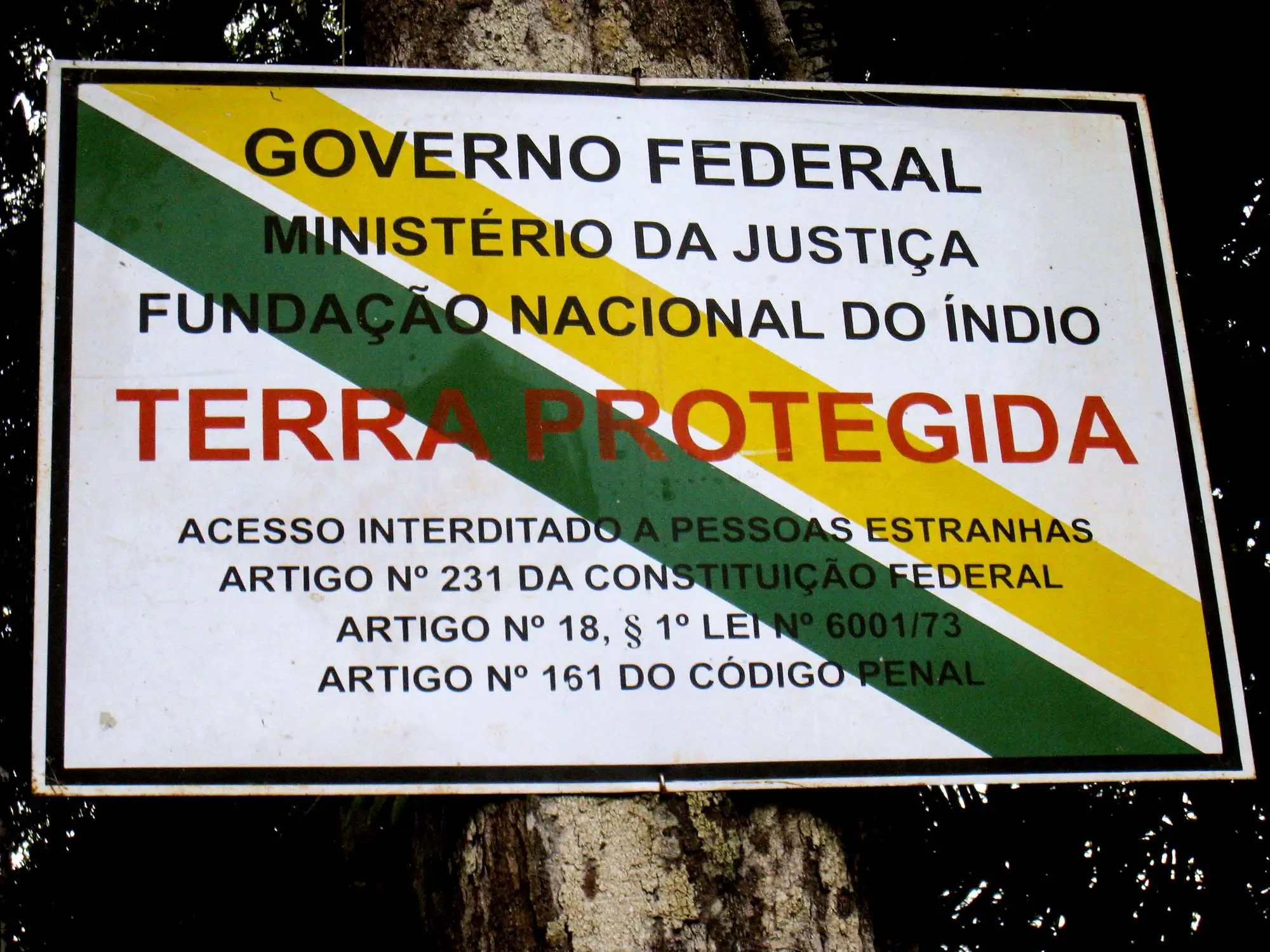
On the Brazilian side of the Javari Valley, from the 1970s onward, the presence of the National Indigenous Foundation (FUNAI) and military outposts marked a new stage in Matsés–state relations.
These institutions aimed to establish territorial control in a strategic Amazon border region between Peru and Brazil, while also attempting to reduce interethnic conflicts and frontier violence linked to extractive expansion.
However, this period also brought internal tensions, community relocations, and changes in traditional settlement patterns across the Matsés territory.
Gradual transformation and continuity of Matsés territorial life
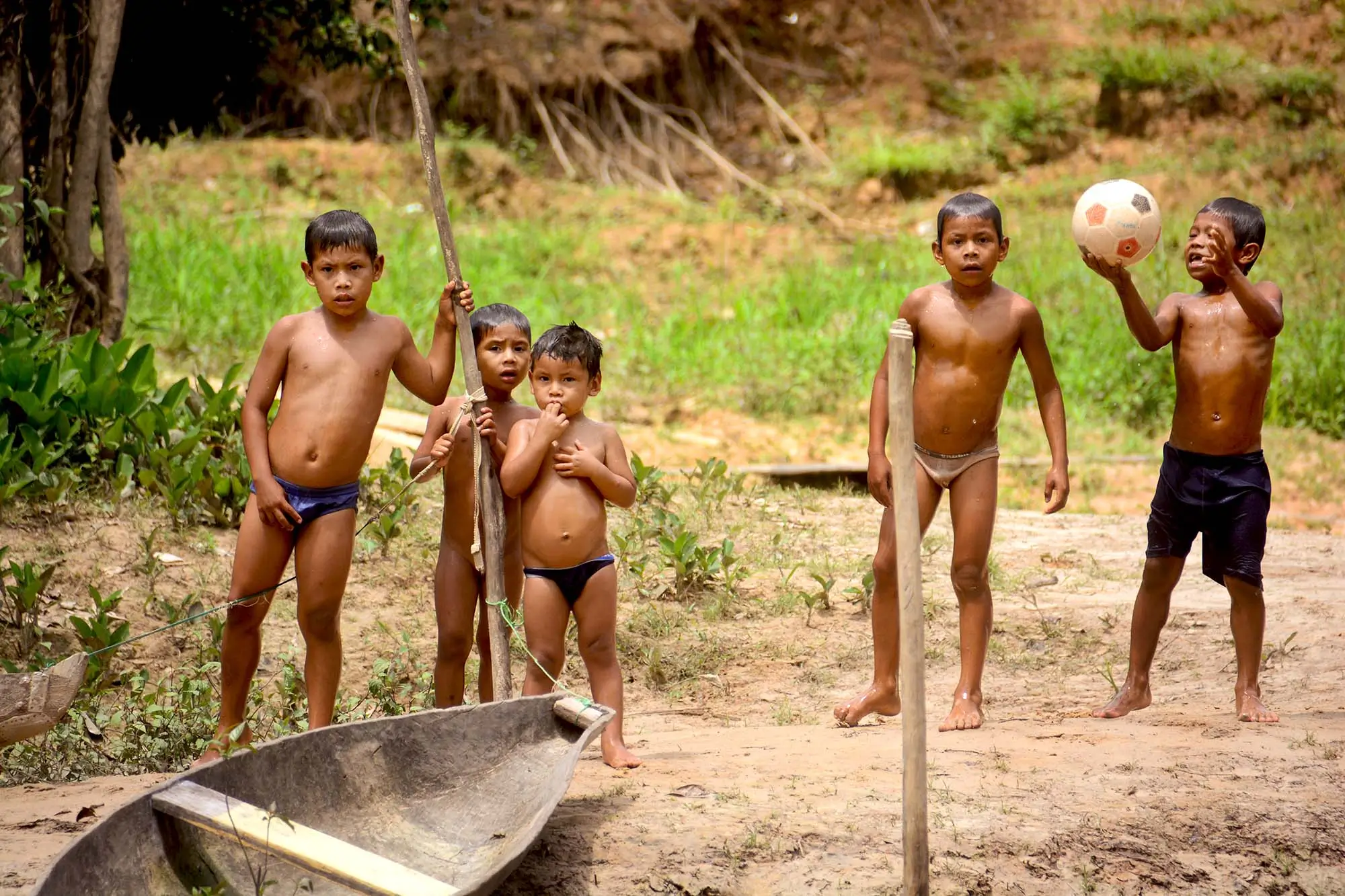
From the 1970s and 1980s onward, the Matsés began a gradual process of sedentarization in riverine communities along the Javari River and its tributaries.
However, this transformation did not represent a break with their deep relationship with the Amazon rainforest.
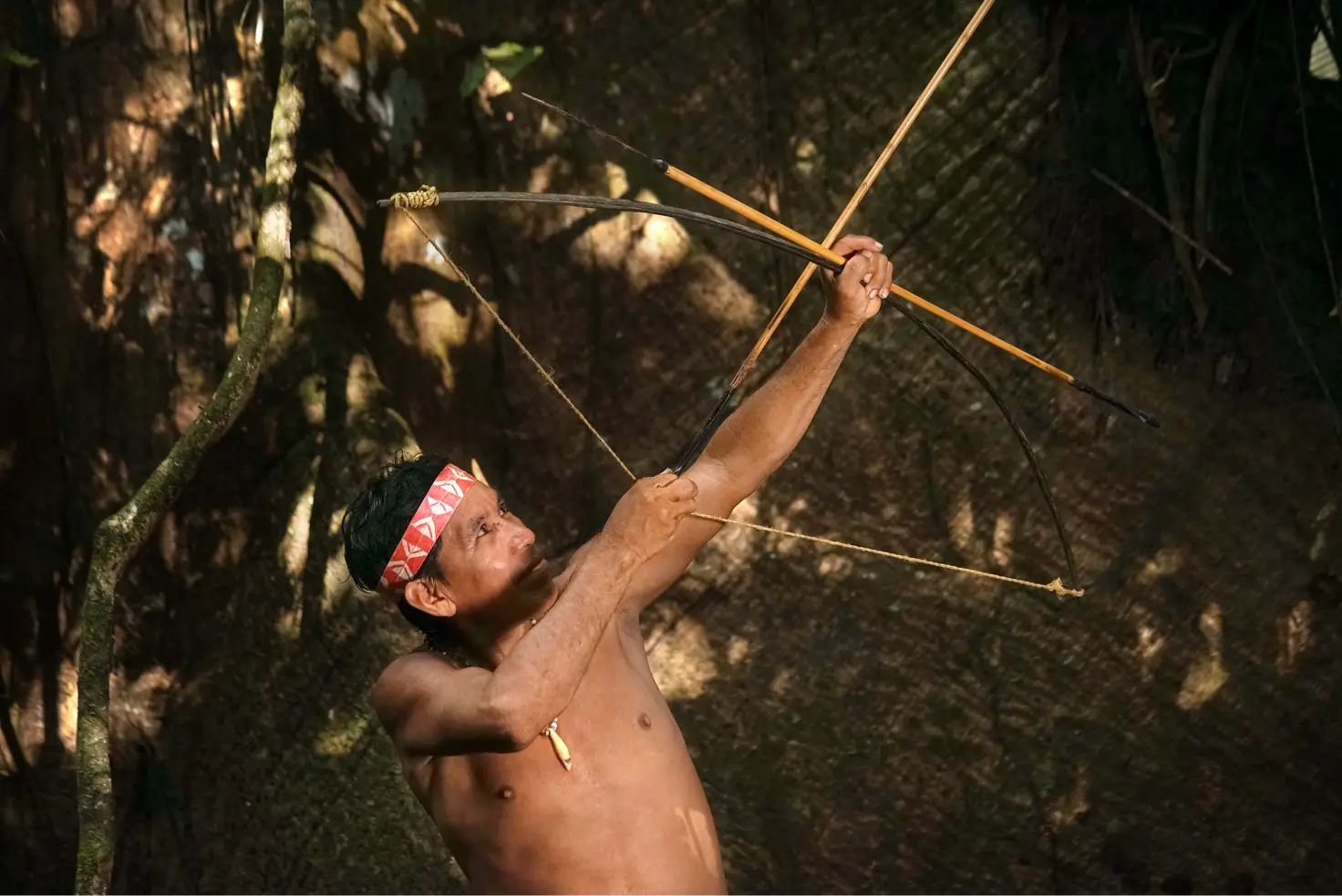
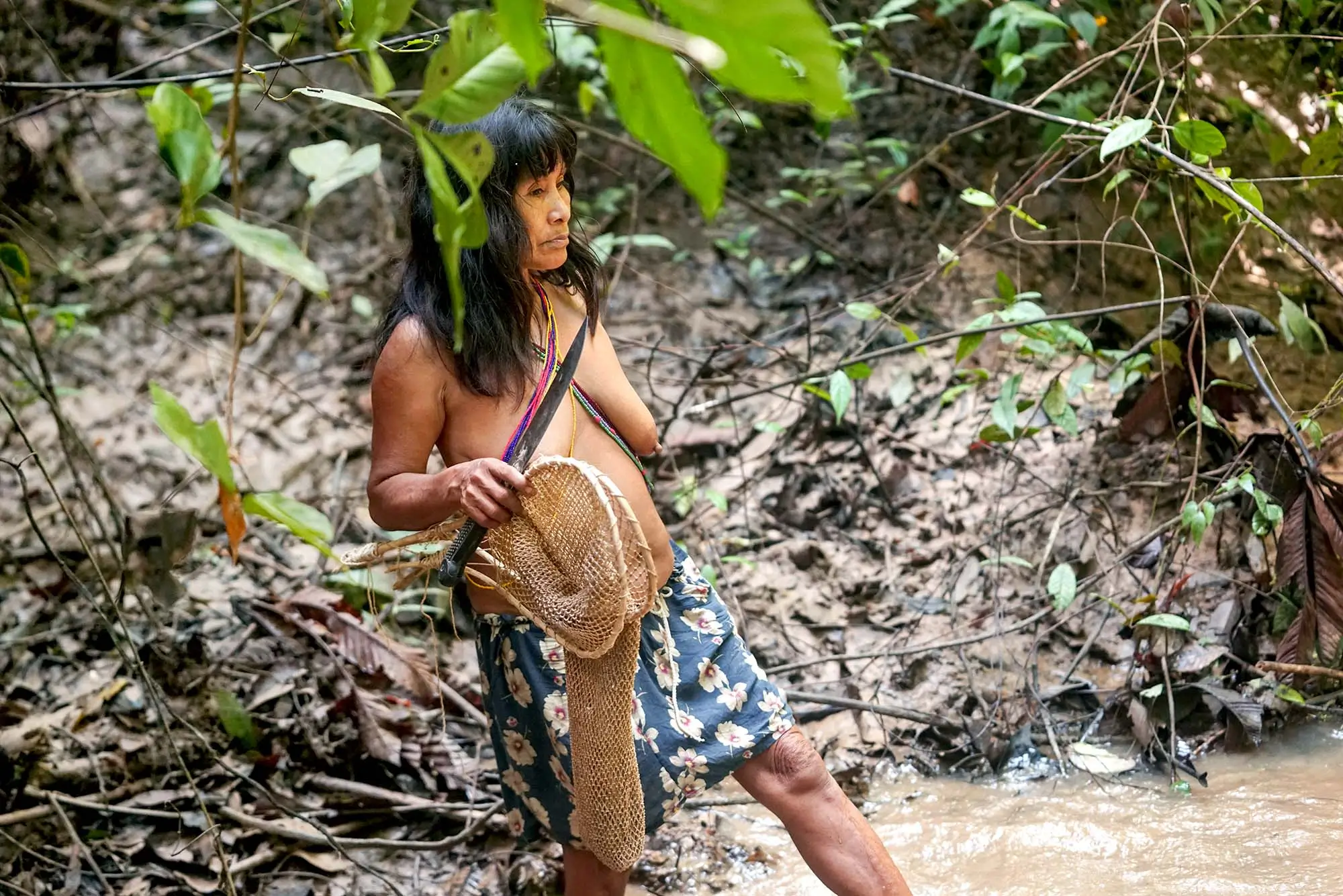
The Matsés continue to maintain a seasonal mobility system, alternating between main villages and forest areas used for hunting, fishing, and cultivation. This flexible territorial strategy allows them to sustainably manage a vast and ecologically rich environment in the western Amazon. This ongoing process reflects historical adaptation to external pressures while preserving cultural continuity and extensive ecological knowledge of the Amazon rainforest.
👉 In Part 3
Next, we will explore the daily life of the Matsés people in the Amazon rainforest, including their hunting and fishing systems, social organization, maloca-style communal living, and their deep ecological relationship with the forest.