If you’re planning a trip to the Amazon, you’re probably asking: what can you actually do in the Amazon rainforest beyond staying in a lodge? The Peruvian Amazon is not a theme park. It is one of the most complex ecosystems on Earth: biologically intense, physically demanding, and culturally deep.
For travelers seeking more than canopy walks and comfortable cabins near Iquitos, real expedition routes exist in remote sectors of the Amazon basin.
These are nine field-based experiences that define a true Amazon expedition in Peru.
1. Night Canoe Exploration in the Amazon
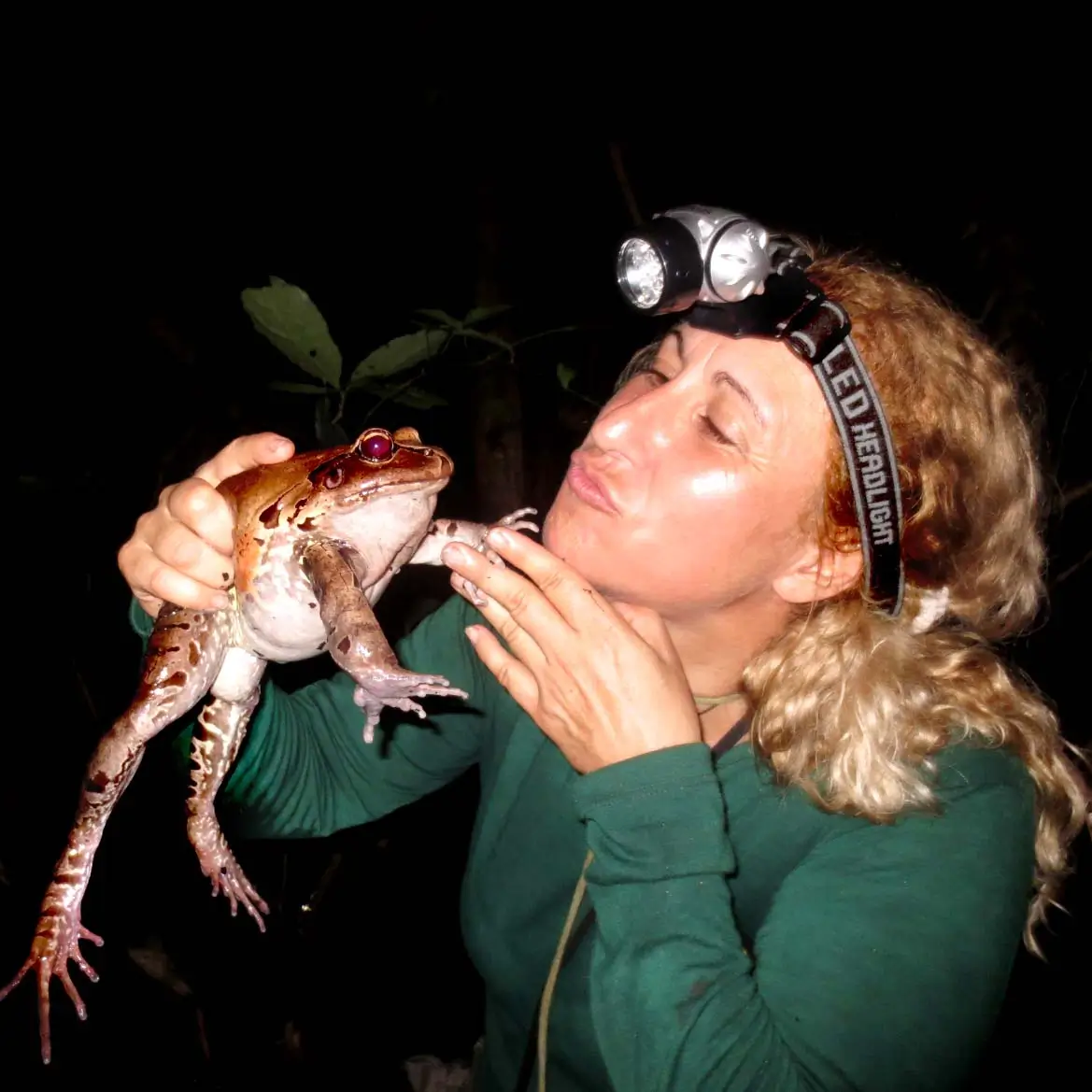
After sunset, the rainforest changes character. Diurnal birds and primates retreat, and nocturnal species begin to move.
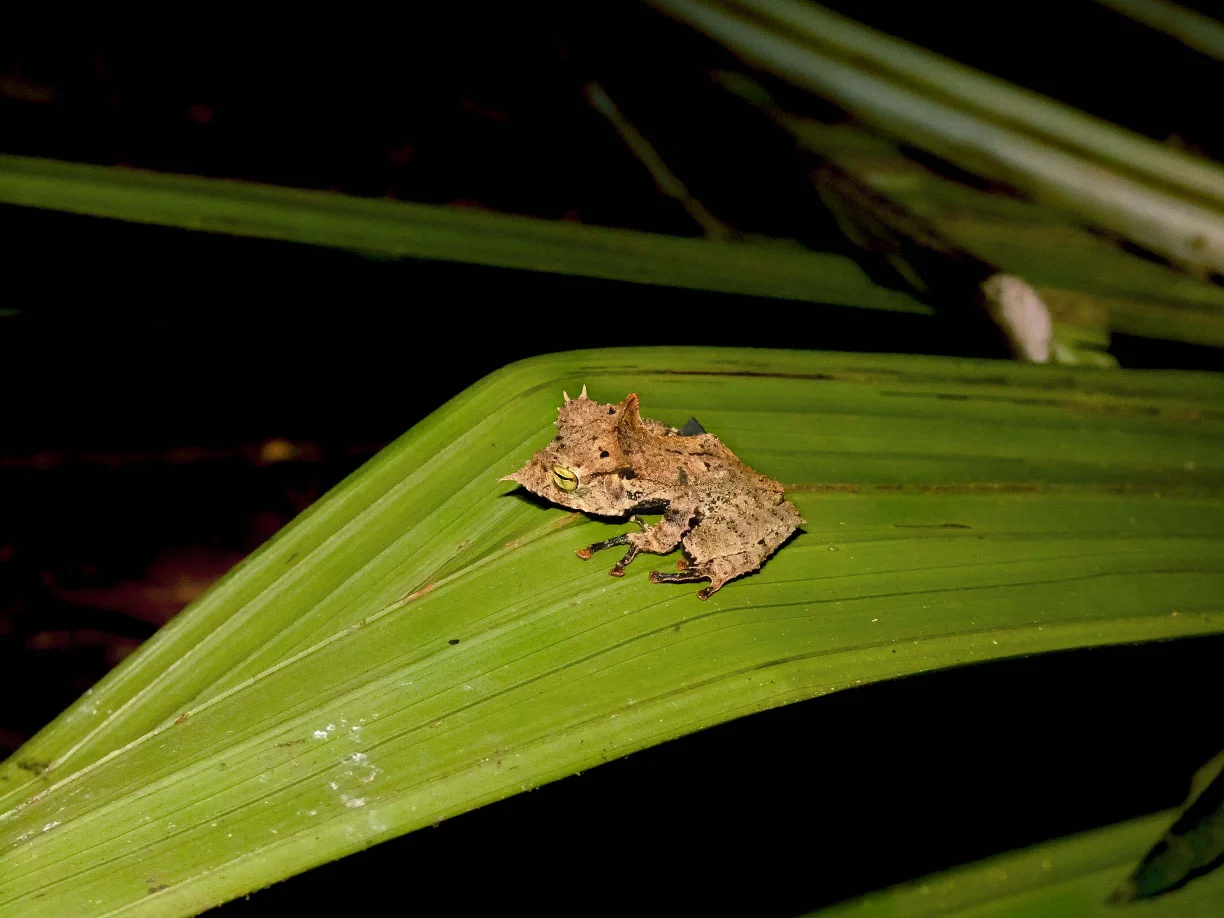
Night canoe navigation along blackwater tributaries allows controlled access to wildlife activity zones. Moving silently with headlamps and handheld spotlights, guides scan riverbanks for eye-shine reflections: often revealing caimans, arboreal snakes, night monkeys, and other species adapted to darkness.
Encounters with apex predators such as the jaguar (Panthera onca) are rare and never guaranteed, but the possibility reflects the ecological integrity of remote sectors of the Amazon rainforest in Peru.
This experience is conducted under strict safety protocols and requires attentiveness, low-light awareness, and calm coordination.

2. Deep Rainforest Trekking & Species Tracking
Trekking in primary rainforest is not a boardwalk walk. Visibility is limited, terrain is uneven, and humidity is constant.
Guided by local trackers trained in traditional forest reading, participants learn to interpret:
- Footprints and pressure marks
- Feeding traces
- Vocalization patterns
- Broken vegetation indicators
Swamp crossings, fallen-log bridges, and dense understory demand balance and endurance. Tree species such as Ceiba pentandra dominate certain sectors, while medicinal plants illustrate centuries of indigenous ecological knowledge.
In remote zones far from high-traffic corridors, wildlife observation probabilities increase — though never under artificial staging conditions.
3. Amazon Survival Skills Training
One of the strongest differentiators of a real Amazon expedition is applied survival training.
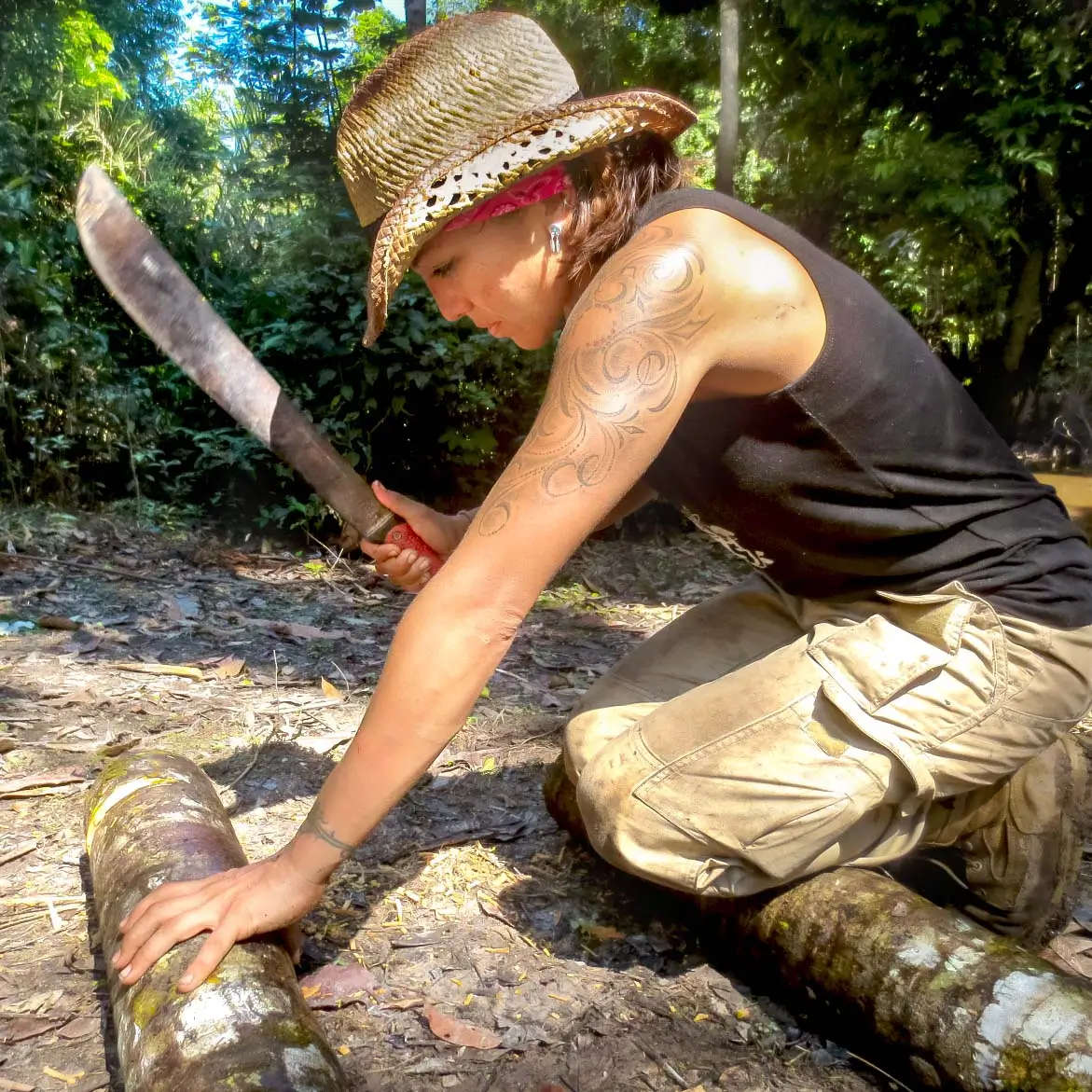
Under controlled but physically demanding conditions, participants practice:
- Machete safety and functional use
- Natural water source identification
- Shelter construction using forest materials
- Fire-making in high-humidity environments
- Directional orientation without GPS
This is not a staged demonstration. It is hands-on field application under supervision. Heat management, energy conservation, and situational awareness are part of the training framework.
The goal is not theatrical survival — it is competence development in a rainforest environment.
4. Sleeping in the Rainforest
Spending the night in remote forest sectors shifts perception entirely. Without lodge infrastructure, participants camp in expedition-style systems — either tents or field-built shelters — depending on route design. Nighttime in the rainforest is acoustically dense: insects, amphibians, distant primate calls, and shifting canopy movement define the soundscape.
Humidity, temperature fluctuation, and rainfall are environmental constants. Preparation and mindset matter.
Waking at first light in primary forest offers insight into the rhythm of the Amazon ecosystem before human disturbance begins.
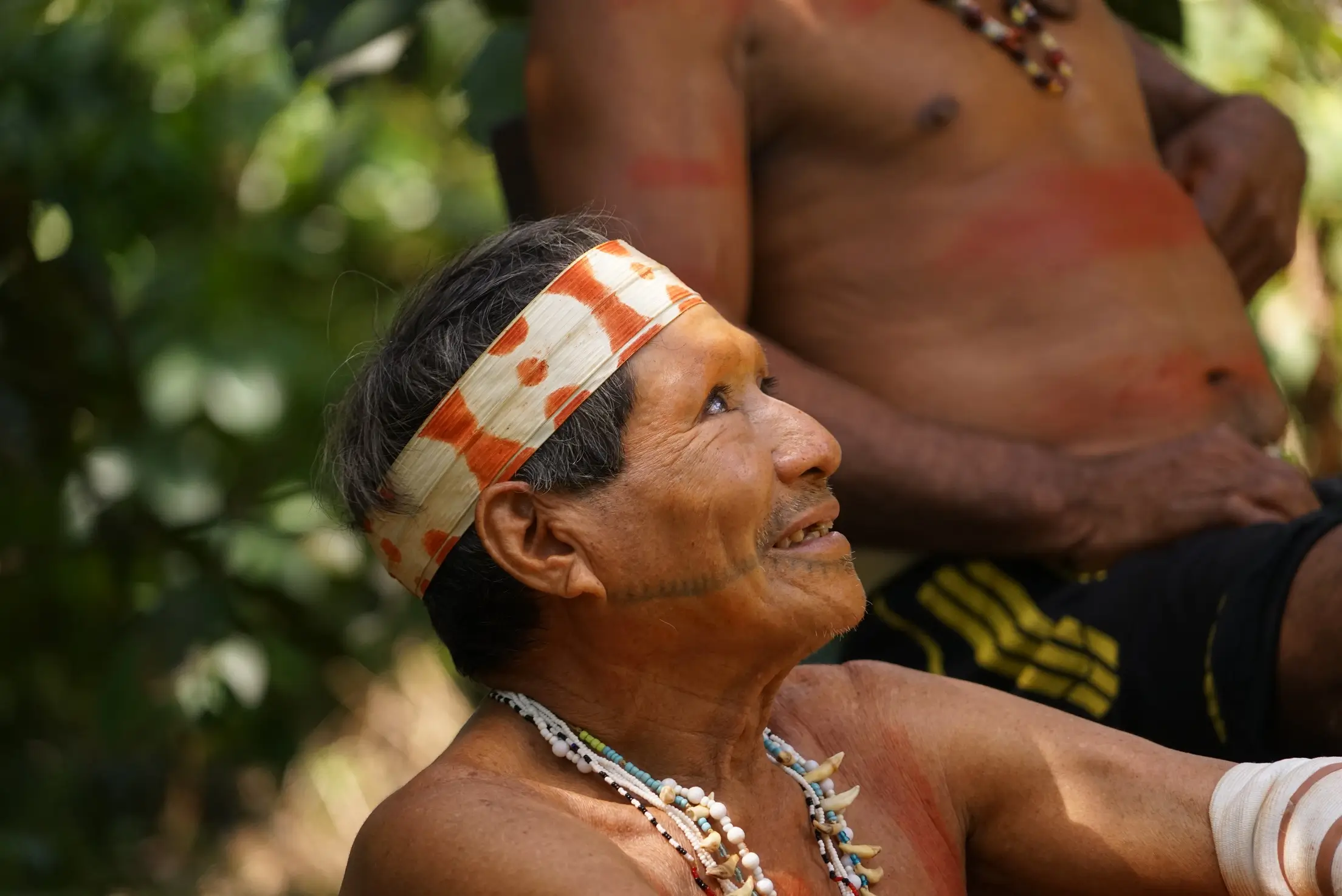
5. Indigenous Cultural Encounters – Matsés Territory
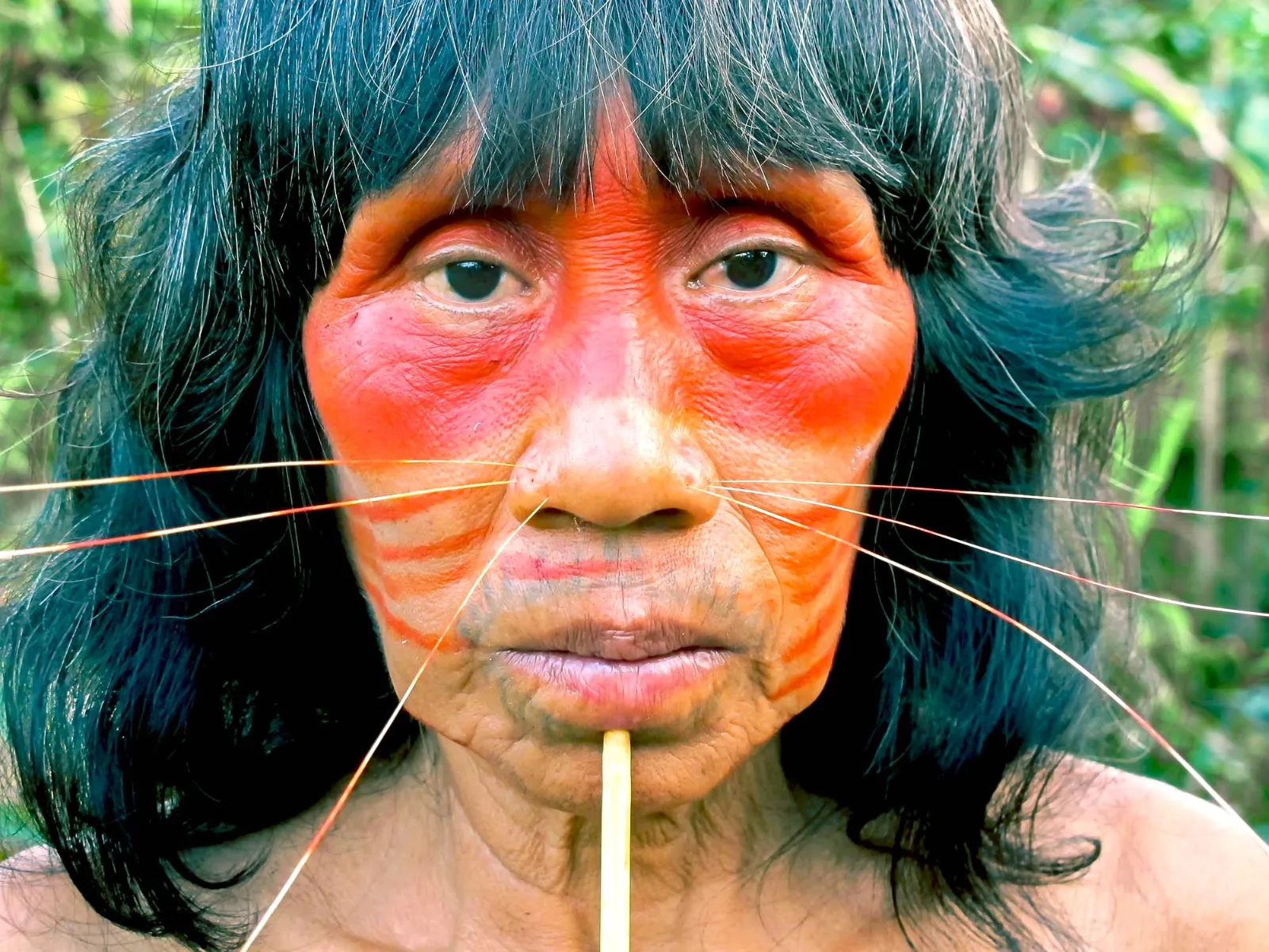
In remote areas near the Peru–Brazil border, coordinated access may be arranged to territories associated with the Matsés.
These are not casual village visits. Access requires prior authorization and respectful logistical coordination.
- Participants may learn about:
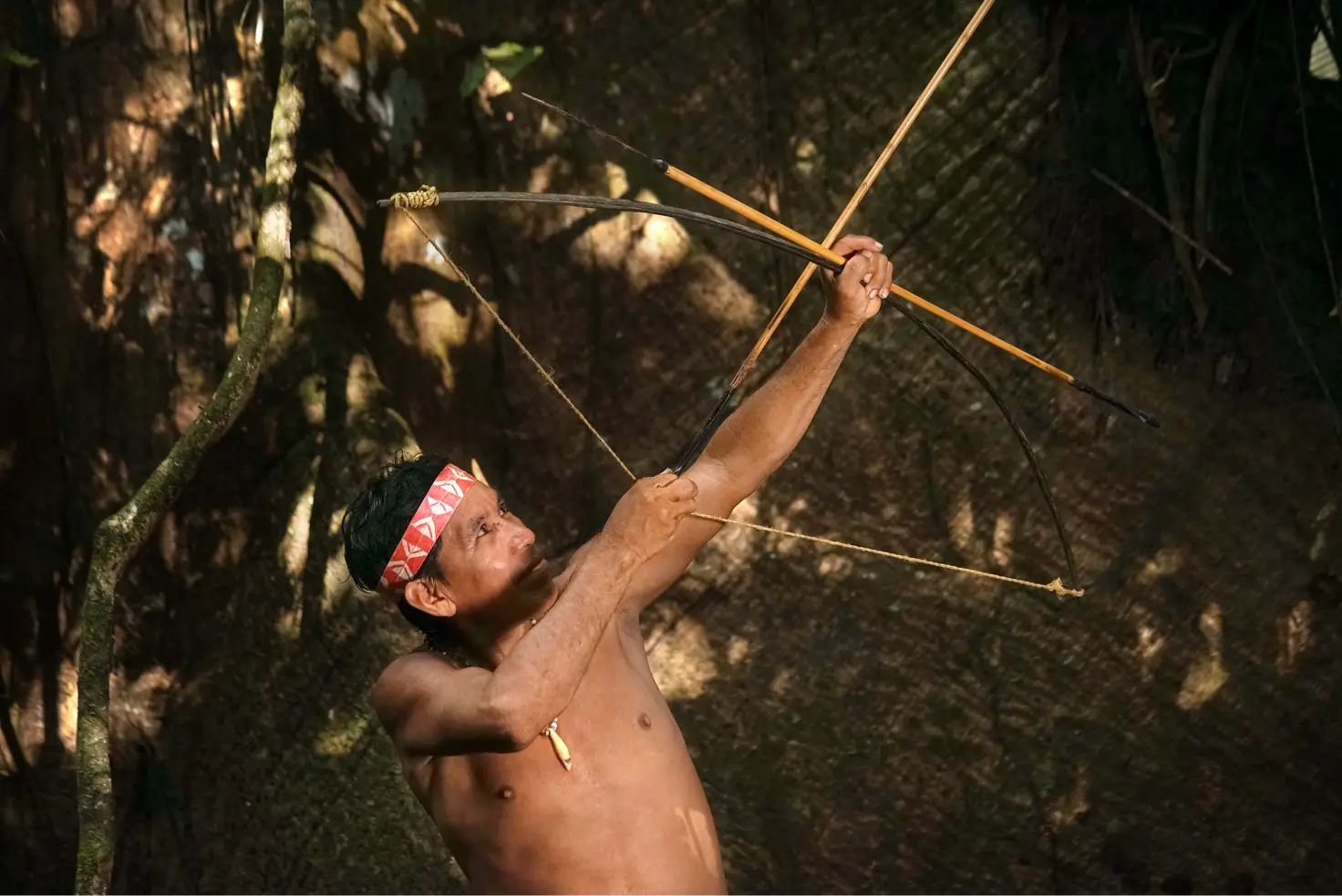
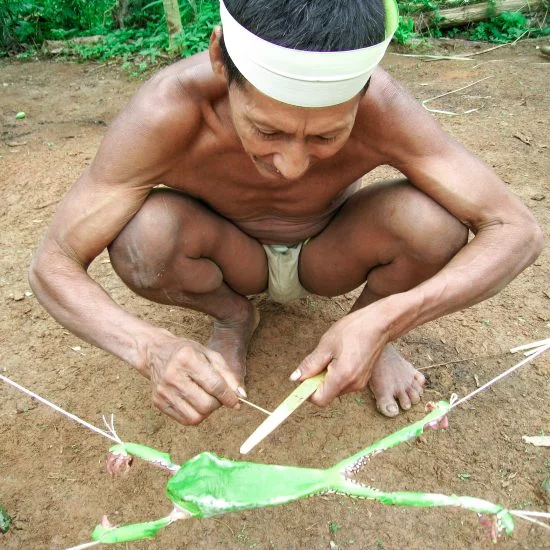
- Traditional hunting techniques
- Ethnobotanical knowledge
- Forest-based subsistence systems
- Spiritual relationships with the rainforest
Cultural interaction is contextual and educational — not performative. Respect for autonomy, territory, and protocol is fundamental.
6. Artisanal Fishing in Amazon Rivers
Fishing in the Amazon is historically tied to subsistence, not recreation.
Using traditional hand-line methods in rivers and oxbow lakes, participants learn techniques adapted to local ecological conditions. Species such as piranha are part of the aquatic food web and reflect the health of freshwater systems.
This activity emphasizes:
- Patience
- Observation
- Understanding river behavior
It is conducted within ecological limits and without commercial overexploitation.
7. Pink River Dolphin Encounters
The Amazon basin is home to the pink river dolphin (Inia geoffrensis), an iconic freshwater cetacean.
In remote stretches of the Peruvian Amazon, wild dolphin encounters may occur during navigation. These animals are not conditioned, fed, or confined.
Observation is passive and respectful. Swimming, when conditions allow, occurs in natural river environments without interference or pursuit.
Wildlife interaction standards prioritize ecosystem integrity over entertainment value.
8. Border Expeditions – Remote Matsés Territory
True Amazon expeditions extend beyond accessible tourist corridors.
Routes near the Peru–Brazil frontier involve:
- Multi-day river navigation
- Secondary tributary access
- Extended trekking in low-impact sectors
- Complex logistical planning
Tourism pressure in these areas remains minimal, increasing the likelihood of genuine biodiversity encounters.
These expeditions are designed for travelers who understand the distinction between a conventional Amazon tour and a field-based rainforest exploration.
9. Rainforest Wildlife Photography Under Field Conditions
Photographing wildlife in primary rainforest is technically demanding.
The canopy significantly reduces available light, requiring:
- Wide apertures
- Elevated ISO
- Precision focusing
- Stable positioning under unstable terrain
Humidity presents additional challenges. Gear protection strategies include dry storage systems, silica control, and careful lens management.
Ethical standards are strict:
- No baiting
- No habitat disruption
- No forced proximity
The objective is documentation — not manipulation.
Is This Expedition Right for You?
This expedition is designed for travelers who:
- Are physically capable of multi-hour forest trekking
- Can tolerate heat, humidity, and insects
- Do not require luxury infrastructure
- Value authenticity over comfort
- Prefer small-group dynamics over mass tourism
It is not designed for travelers seeking resort-style amenities.
Expedition Logistics & Access
Expedition routes in the Amazon rainforest of Peru operate within limited seasonal windows. River levels, weather patterns, and access conditions influence scheduling.
Group size is intentionally small to reduce ecological impact and maintain operational safety.
Advance coordination is required due to permits, territorial agreements, and route planning.
If you are seeking a remote Amazon expedition — not a lodge-based tour — contact Amazon Explorer to inquire about route availability and seasonal planning. Authentic exploration in the Peruvian Amazon requires preparation, commitment, and respect for the environment.