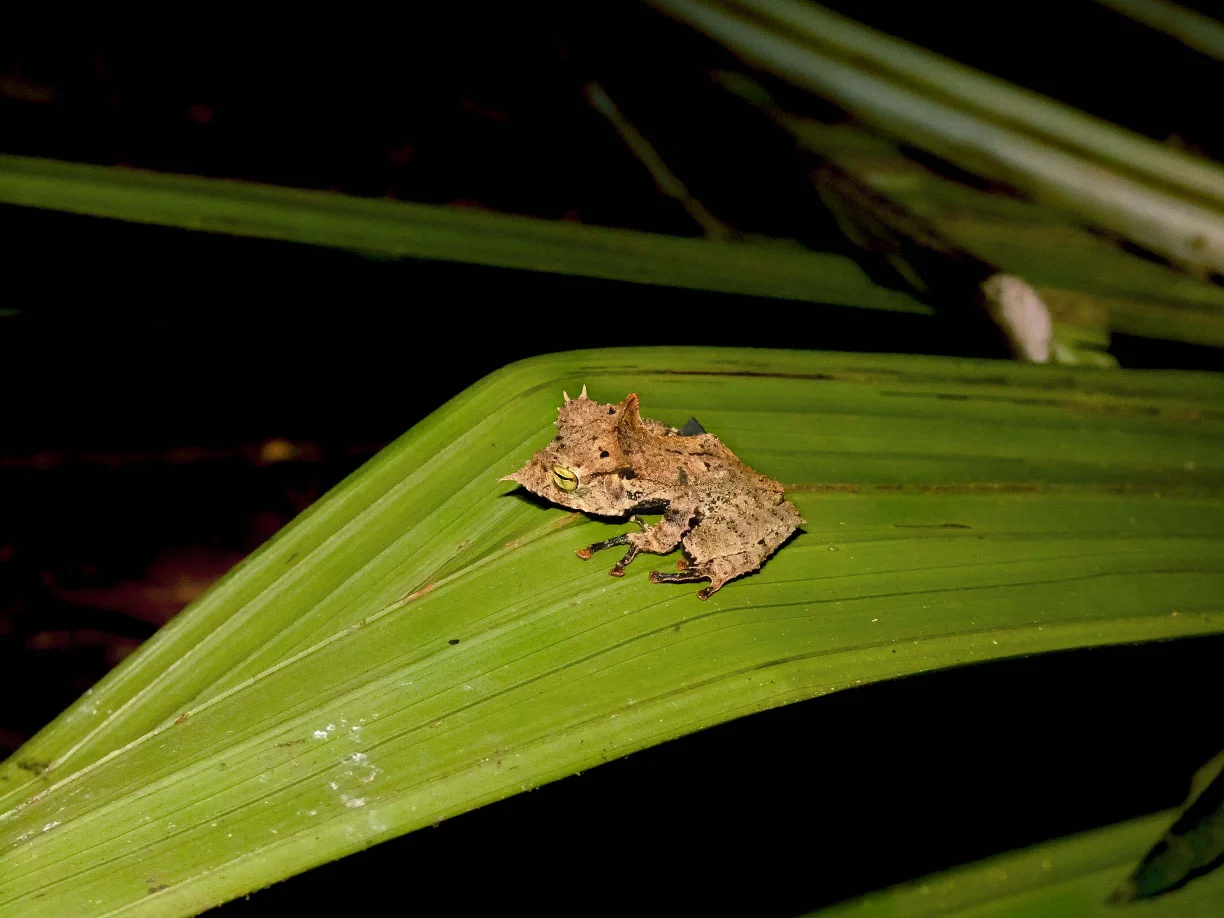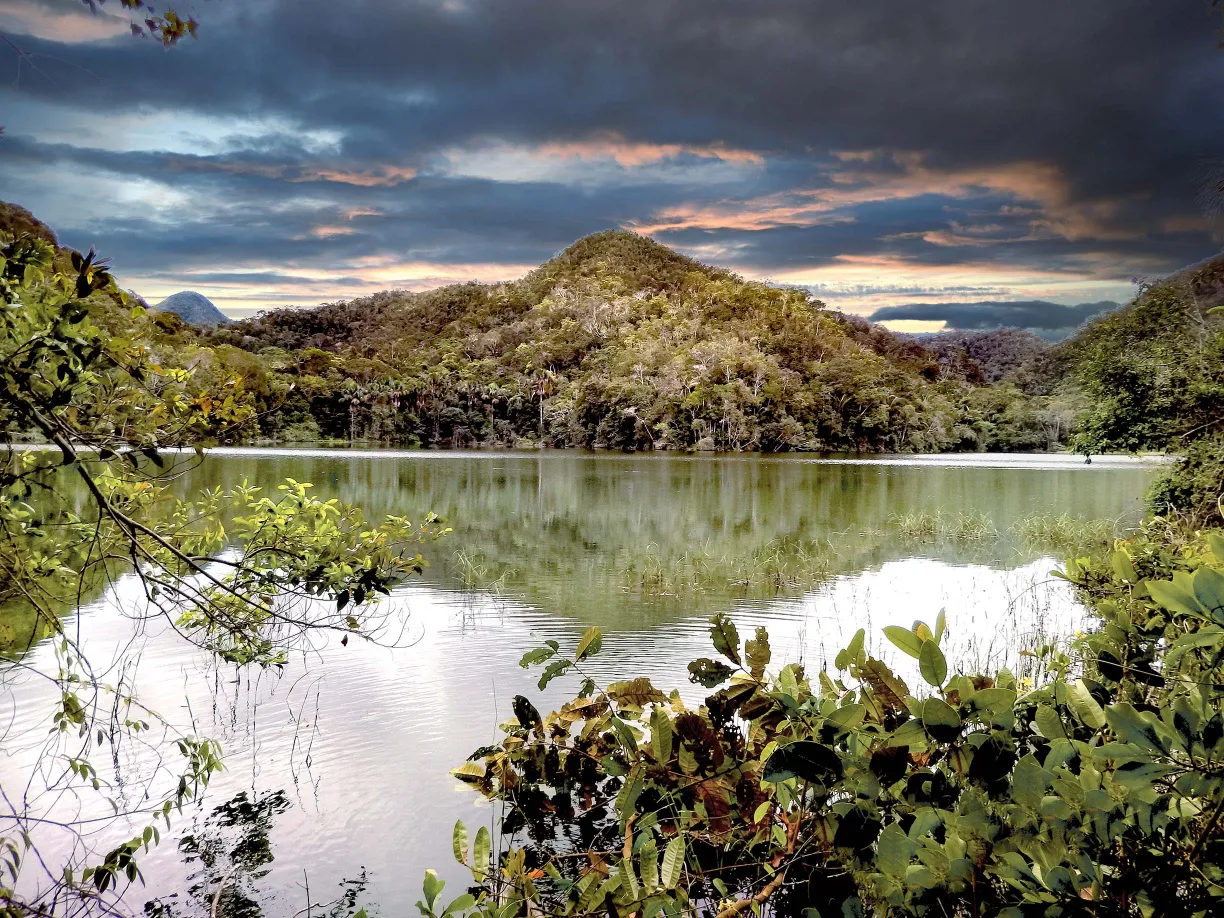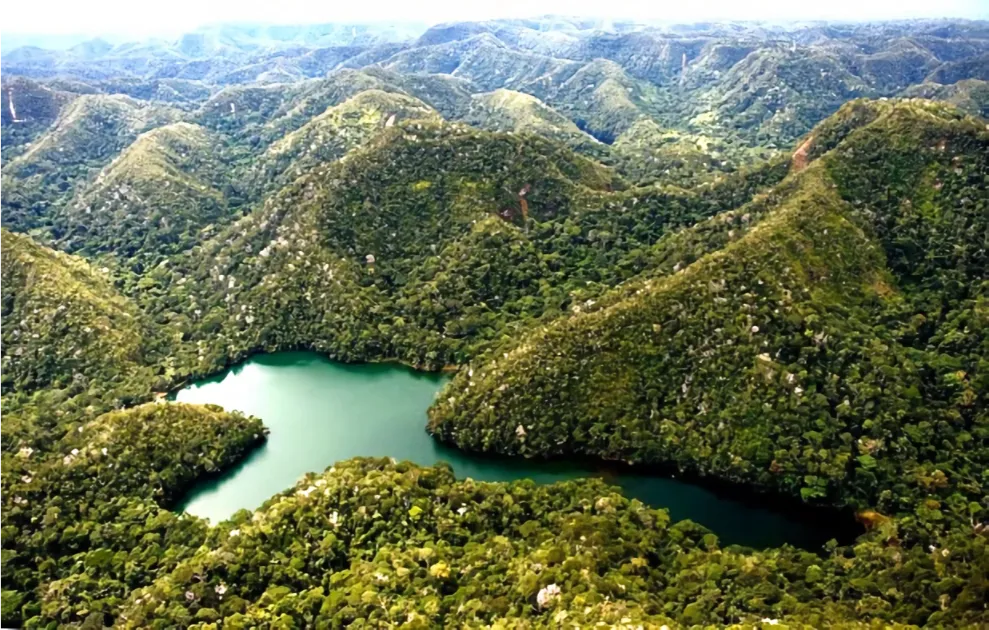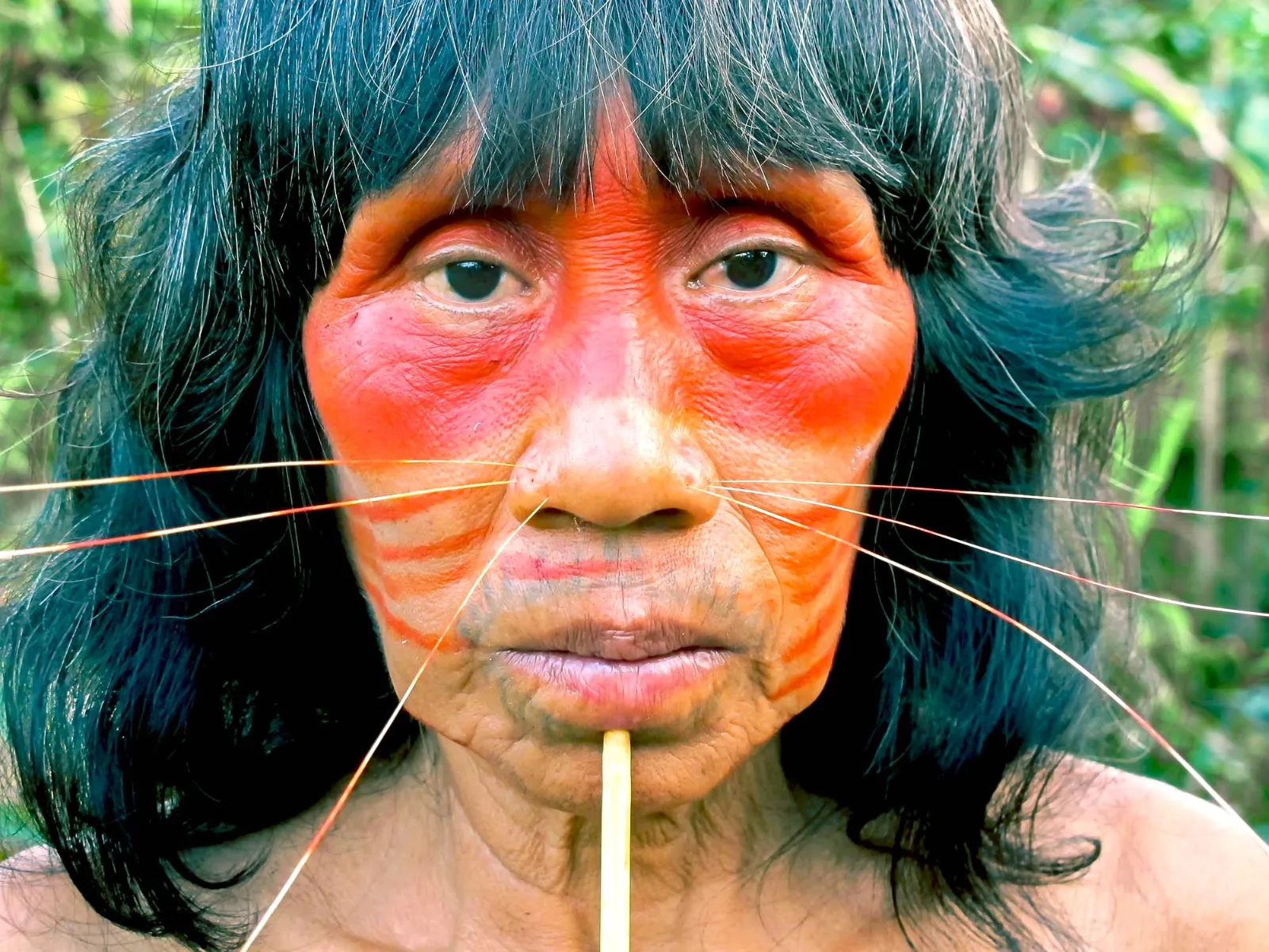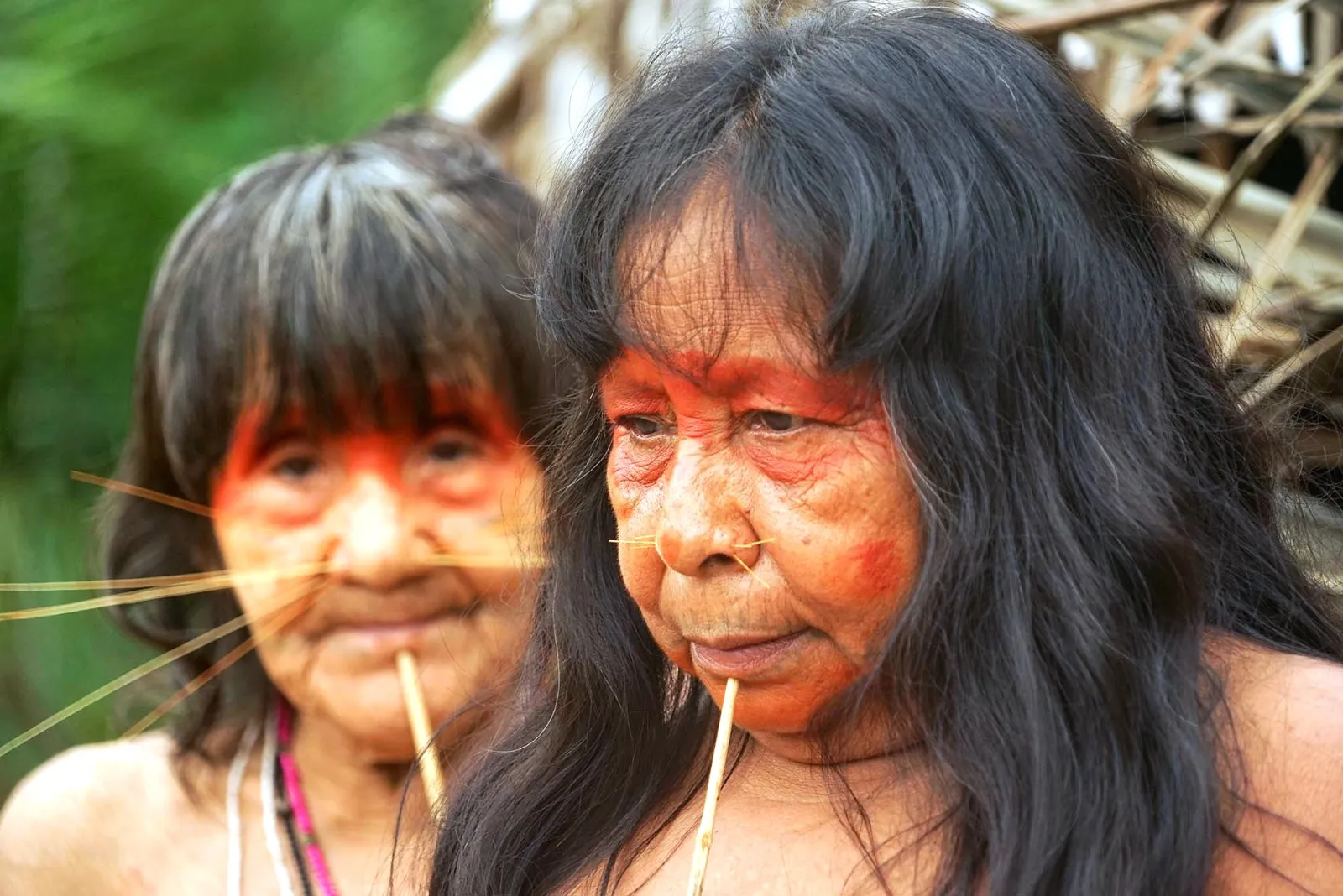
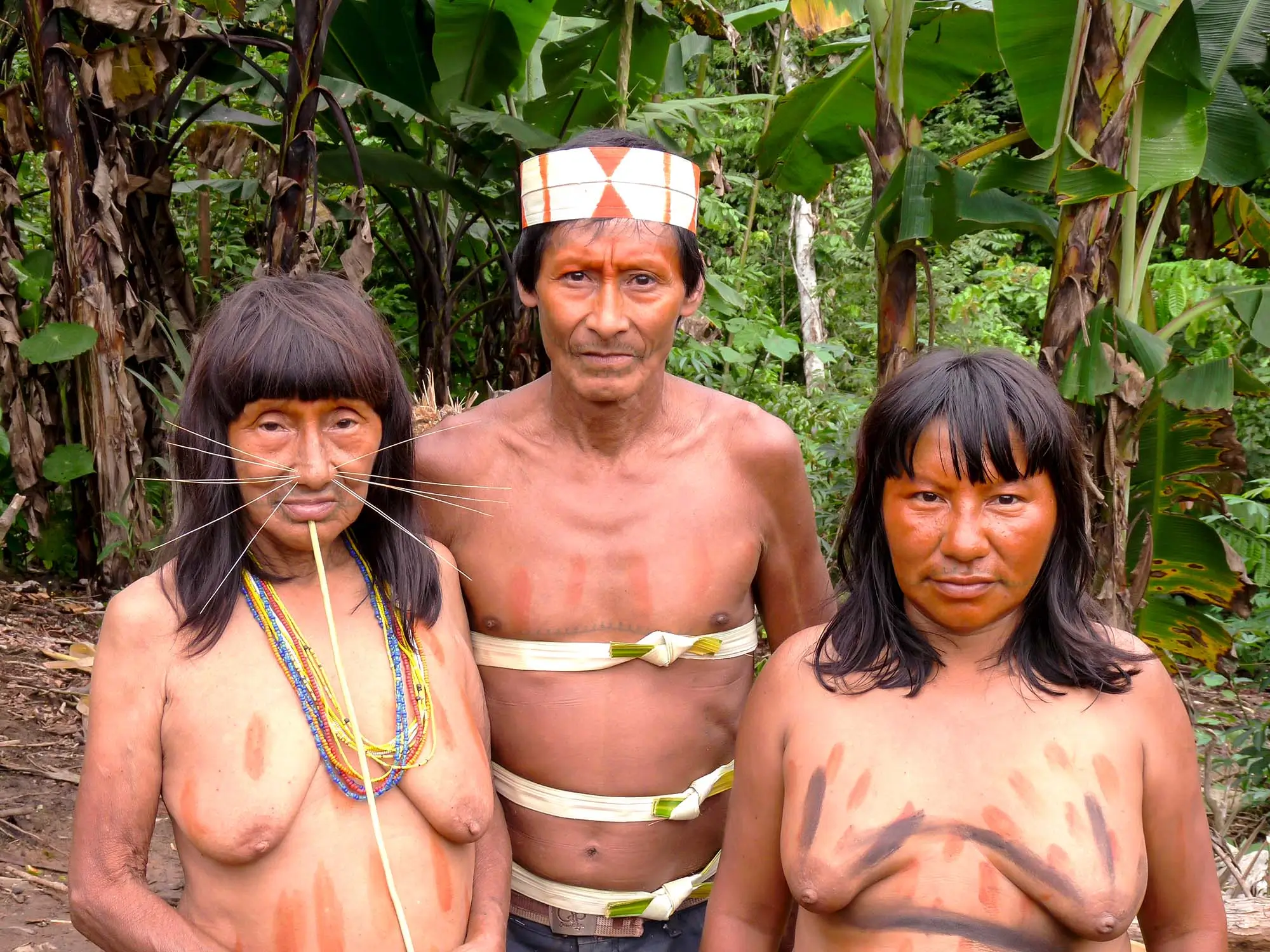
Deep in the heart of the Amazon rainforest, far from conventional routes and in one of the most remote regions on Earth, lives the Matsés people. Also known as the Mayoruna, they inhabit the border between Peru and Brazil, primarily within the Javari River basin, including key tributaries such as the Gálvez and Yaquerana rivers, one of the most biodiverse and least disturbed ecosystems in the world.
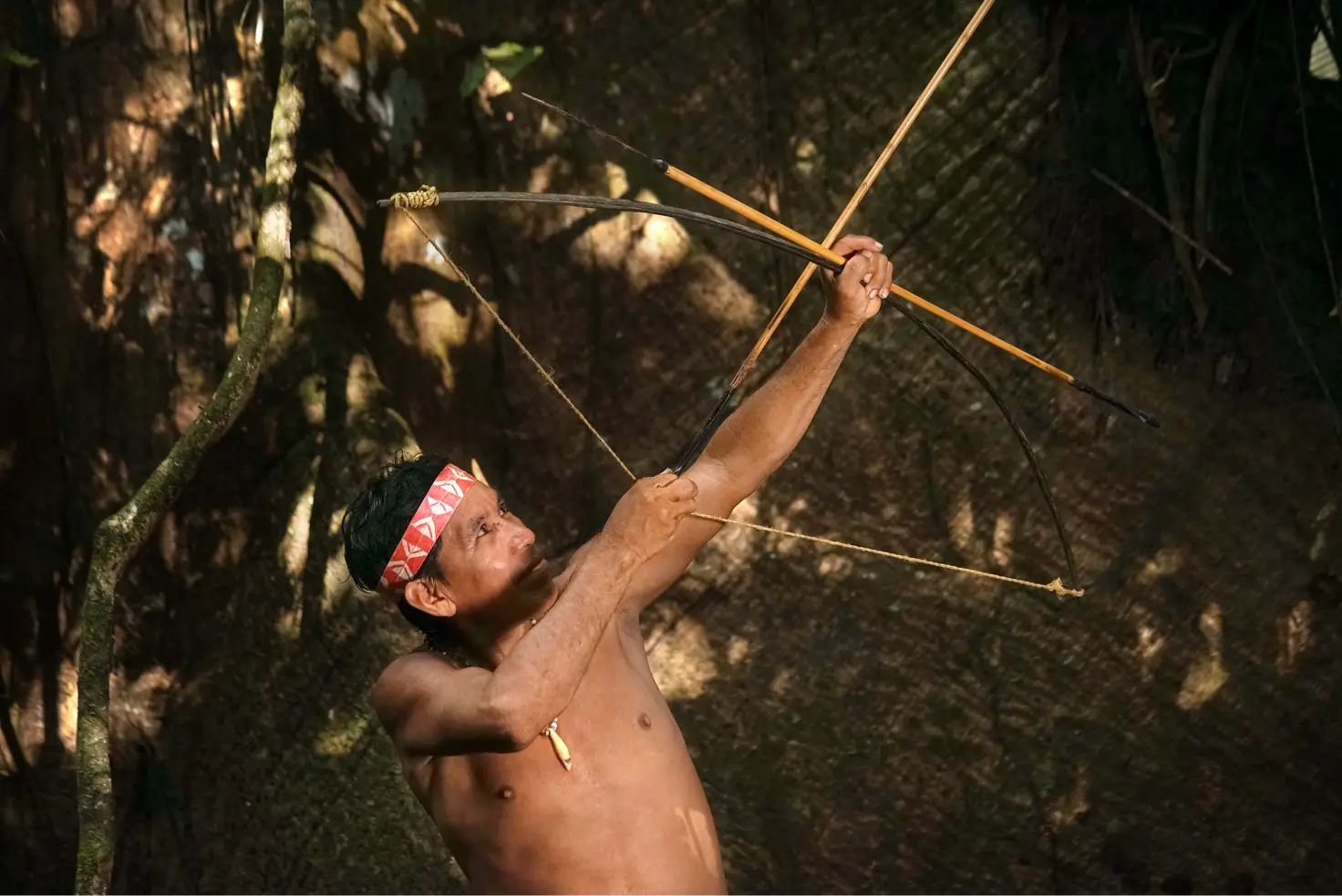
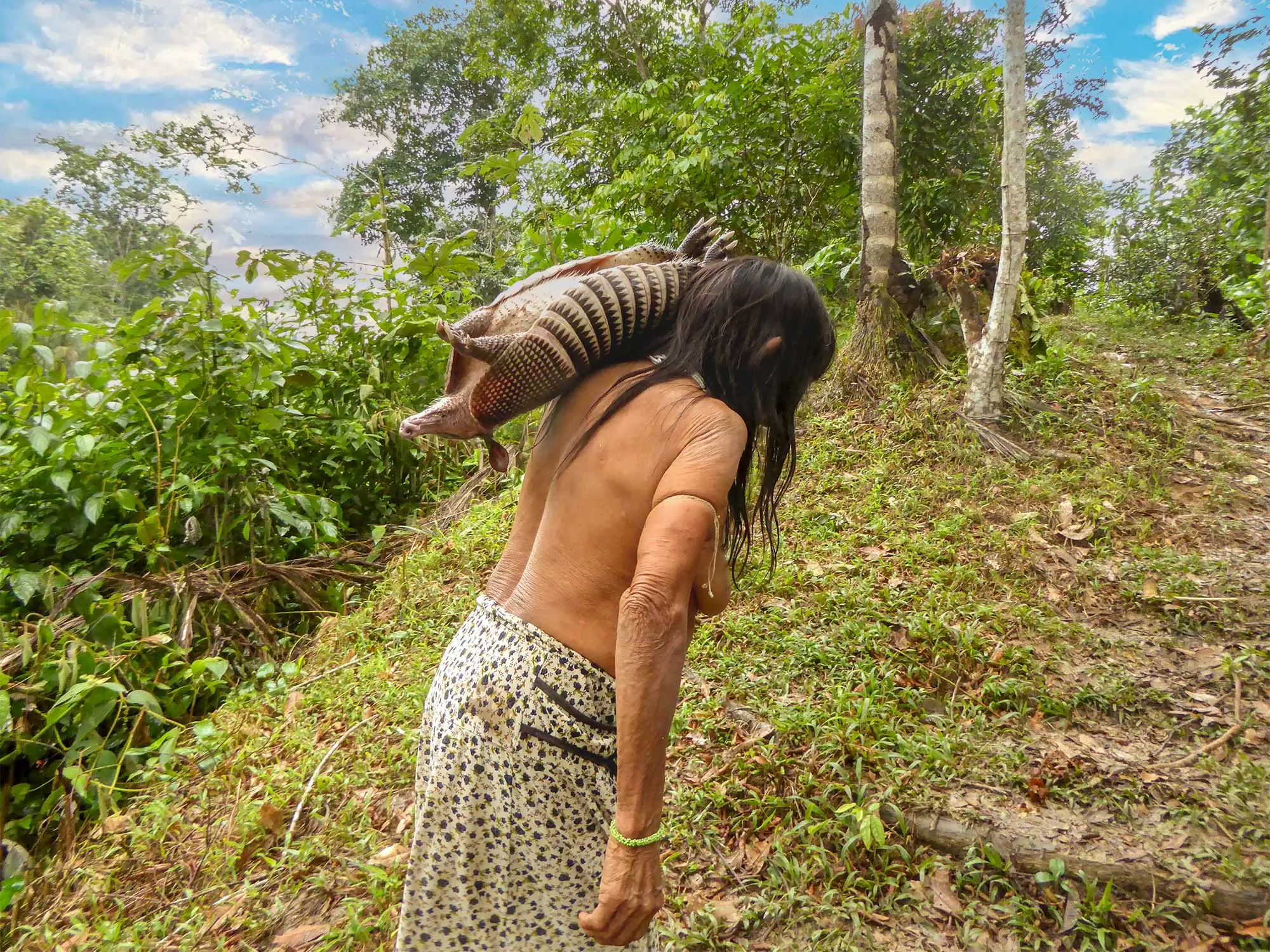
The Matsés are widely recognized for their profound knowledge of the rainforest, their exceptional hunting skills, and their deep connection to the natural environment. Over generations, they have developed sustainable survival strategies that allow them to live in balance with the resources surrounding them.
Who are the Matsés?
The term “Matsés” carries multiple meanings within their own language. It can refer to their people, to human beings in general, or even to a close group of relatives. In Peru, it is the official name used to identify this indigenous group, while in Brazil they are also known as “Mayoruna,” a term of Quechua origin meaning “people of the river.”
Beyond the name, the Matsés are one of the most important indigenous tribes of the western Amazon, not only because of their population size, but also due to their history and regional influence.

Language and Cultural Roots
The Matsés belong to the Pano linguistic family, sharing similarities with other indigenous groups such as the Matis, Marubo, Korubo, and Kulina-Pano. While differences exist, they share key cultural traits, including hunting techniques, traditional tools, and social organization.
In many communities, especially the more isolated ones, the Matsés remain largely monolingual. Their native language continues to be the primary means of communication and the foundation for transmitting knowledge, particularly among children who learn directly from their elders.
Territory and Way of Life
The Matsés territory is not confined to a fixed point on a map. Their way of life is defined by constant mobility within the rainforest. While they maintain permanent settlements along riverbanks, they travel extensively for hunting, fishing, and gathering.
Their life in the forest is organized through the functional use of different spaces within their territory:
- Main settlements located along major rivers, where family homes are established
- Active gardens (chacras) where they regularly cultivate, harvest, and maintain crops
- A network of forest trails used for hunting, fishing, and movement throughout their territory
This dynamic system allows them to avoid overexploitation of natural resources, maintaining soil fertility and wildlife availability.
Population and Distribution
The Matsés live on both sides of the Peru–Brazil border, primarily in the Javari Valley region.
- In Brazil, they inhabit the Javari Valley Indigenous Territory, alongside other Amazonian peoples
- In Peru, they hold officially recognized native community lands in the Loreto region, titled in 1993
Part of their ancestral territory overlaps with the Matsés National Reserve, a protected natural area established on August 26, 2009, in the Peruvian Amazon.
Their population has grown over time, although exact figures vary due to constant mobility between communities and across national borders.
A People Shaped by History
Today, the Matsés are one of the largest groups among the northern Pano peoples. Part of this expansion is rooted in their history, marked by conflicts and confrontations with other groups, during which women and children were captured and later integrated into Matsés families and the large communal houses known as malocas.
This process resulted in a strong yet diverse identity, in which knowledge, subsistence techniques, and cultural traits from different groups were absorbed, adapted, and fully integrated into their social structure.
Adaptation and Rainforest Knowledge
One of the most remarkable aspects of the Matsés is their ability to adapt to the Amazon rainforest. They do not simply survive in it—they deeply understand it.
They know:
- Where to hunt without depleting wildlife
- When to shift cultivation areas
- How to read the natural cycles of the forest
- How to use plants for food and medicine
This knowledge is not theoretical—it is practical, refined over generations and passed down through lived experience.
Ancestral Knowledge in Matsés Life
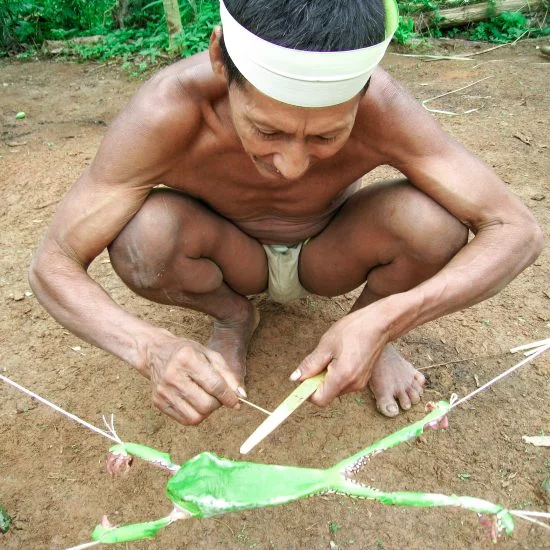
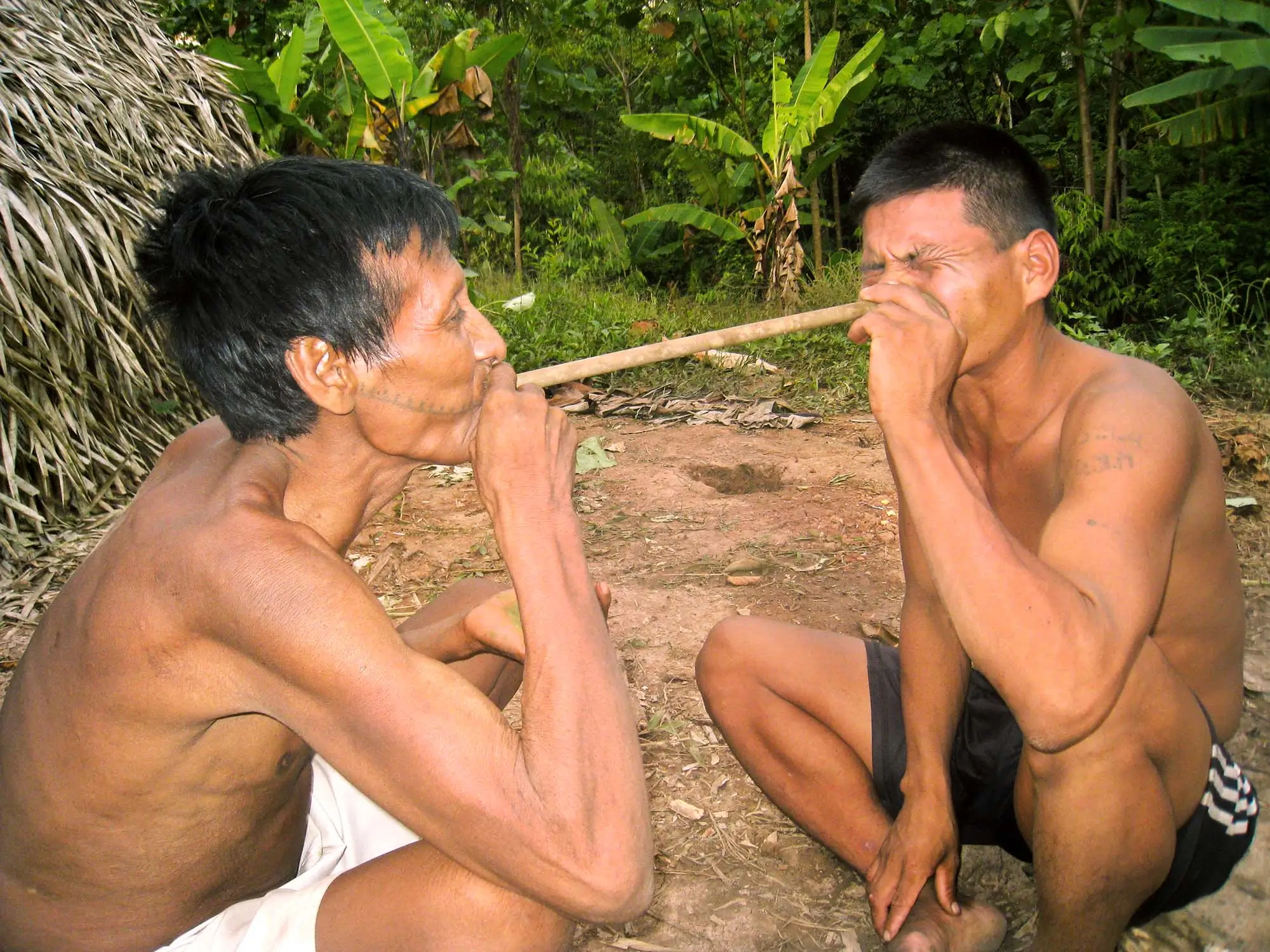
Within their culture, the Matsés preserve profound ancestral knowledge linked to the use of plants and animals for both practical and ritual purposes. These practices include the blowing of tobacco smoke, the use of kambô (the secretion of the Amazonian frog Phyllomedusa bicolor), and the application of bullet ant (Paraponera clavata) stings.
These practices are associated with strengthening the body, increasing endurance, enhancing hunting abilities, and preparing individuals for the physical and mental demands of life in the rainforest.
A Challenging Reality
Despite their cultural strength, the Matsés face significant challenges. Limited access to healthcare, the presence of infectious diseases, and external pressures on their territory directly impact their communities.
In recent years, they have suffered important losses due to diseases that could be prevented or treated with adequate medical care.
Conclusion
The Matsés represent one of the most resilient and deeply connected cultures of the Amazon rainforest. Their way of life offers a powerful lesson in balance, adaptation, and environmental knowledge.
However, their story cannot be fully understood without exploring the conflicts, transformations, and external contacts that have shaped their evolution.
👉 In Part 2
We will explore the history of the Matsés: wars, contact with the outside world, and the events that changed their way of life forever.