Contemporary reality of the Matsés people in the Javari River Basin (Peru–Brazil Amazon)
Throughout this series, we have explored the Matsés people, one of the most representative Indigenous tribes of the Peruvian Amazon, known for their deep connection to the Amazon rainforest and their extensive traditional knowledge of one of the most biodiverse ecosystems on Earth.
In the first article, The Matsés: Guardians of the Amazon Rainforest, we introduced the Matsés as an Amazon tribe of Peru and their role as ancestral inhabitants of the rainforest. In the second part, History and Contact of the Matsés People in the Amazon Rainforest, we examined their history, early contact, and the transformations that shaped their presence along the Peru–Brazil border, a region often associated with isolated and uncontacted tribes of the Amazon. In the third article, Daily Life in the Amazon Rainforest: The Matsés Way of Life in Peru, we explored their daily life, survival skills, and deep understanding of the forest as a source of food, medicine, and shelter. Finally, in the fourth part, Matsés Cosmology and Cultural Practices in the Amazon Rainforest, we focused on their beliefs, spiritual worldview, and cultural practices that continue to define their identity as an Indigenous Amazonian people.
In this final chapter, we examine the present-day situation of the Matsés tribe in the Peruvian Amazon, including ongoing challenges related to healthcare access, education in remote rainforest communities, and territorial protection in a region affected by illegal activities and limited state presence. We also address broader issues impacting Indigenous tribes in the Amazon rainforest, particularly in border regions between Peru and Brazil. Despite these pressures, the Matsés continue to preserve their language, cultural identity, and traditional ecological knowledge, maintaining a resilient way of life in one of the most remote areas of the Amazon rainforest.
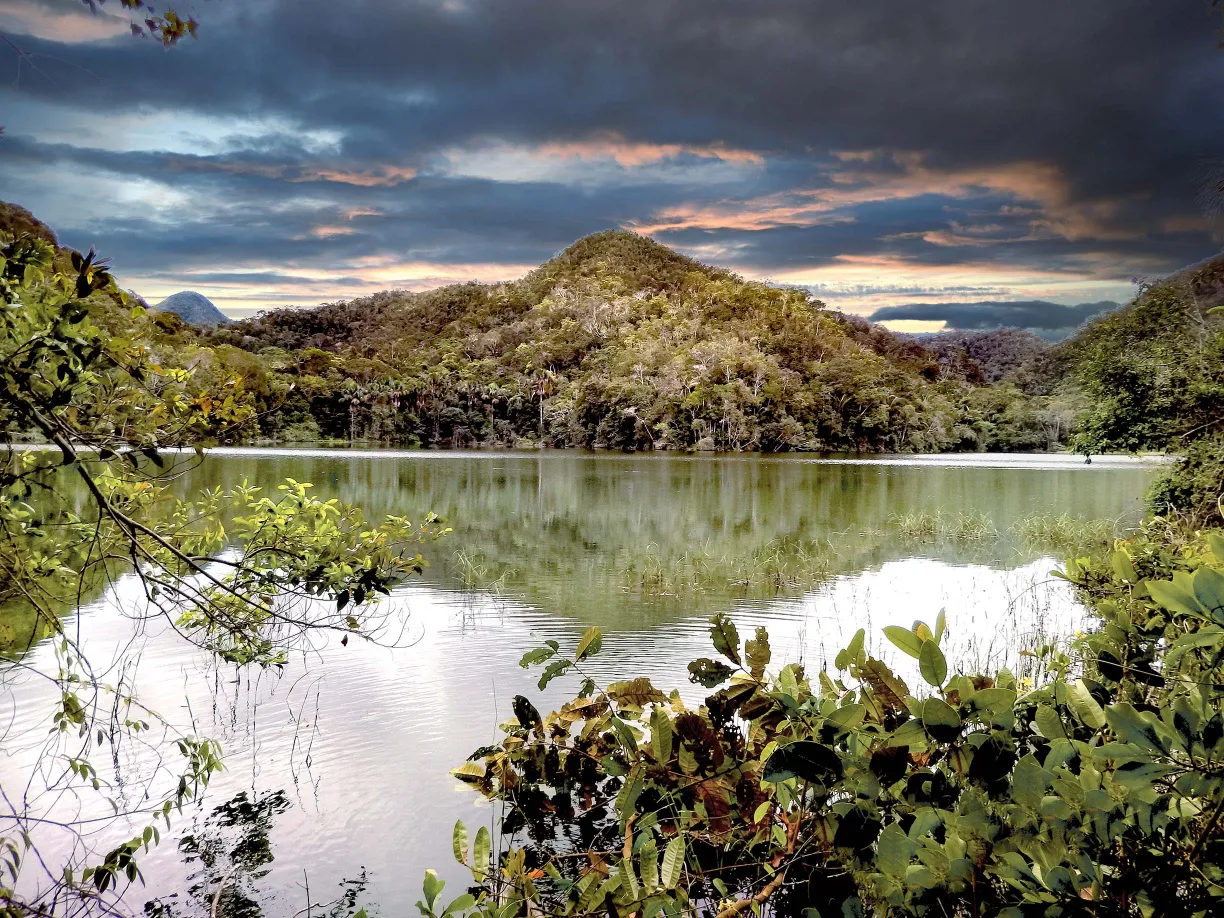
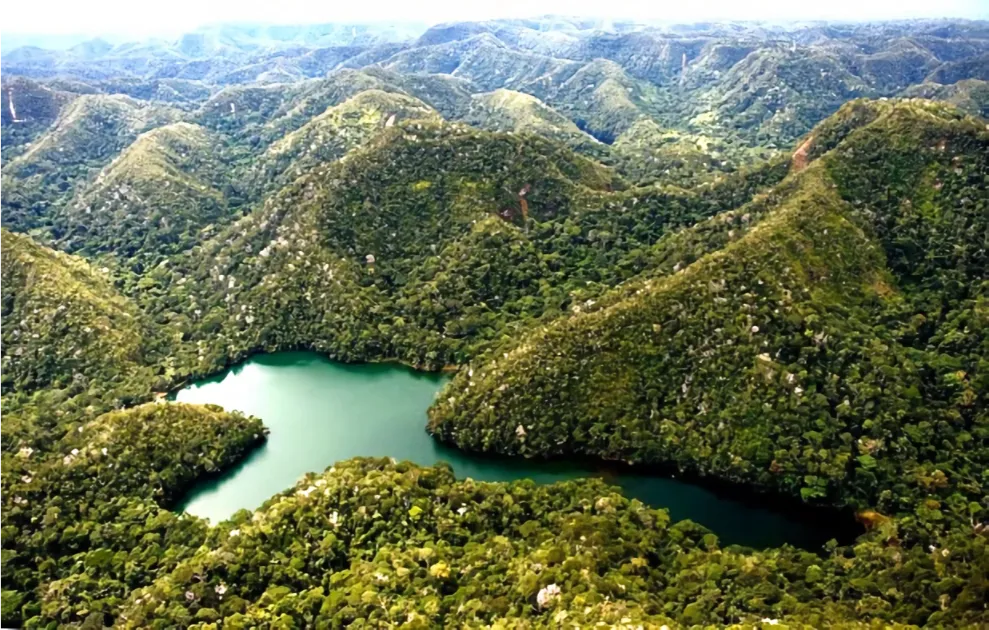
Today, the Matsés people continue to live in one of the most remote and biodiverse regions of the Amazon rainforest, along the Javari River Basin, on the border between Peru and Brazil.
While they maintain strong cultural continuity with their ancestral traditions, they also face a complex set of contemporary challenges related to health, education, territorial protection, and increasing external pressures on their land.
Their current situation reflects a dynamic balance between cultural resilience and vulnerability in one of the most isolated Indigenous territories in the western Amazon.
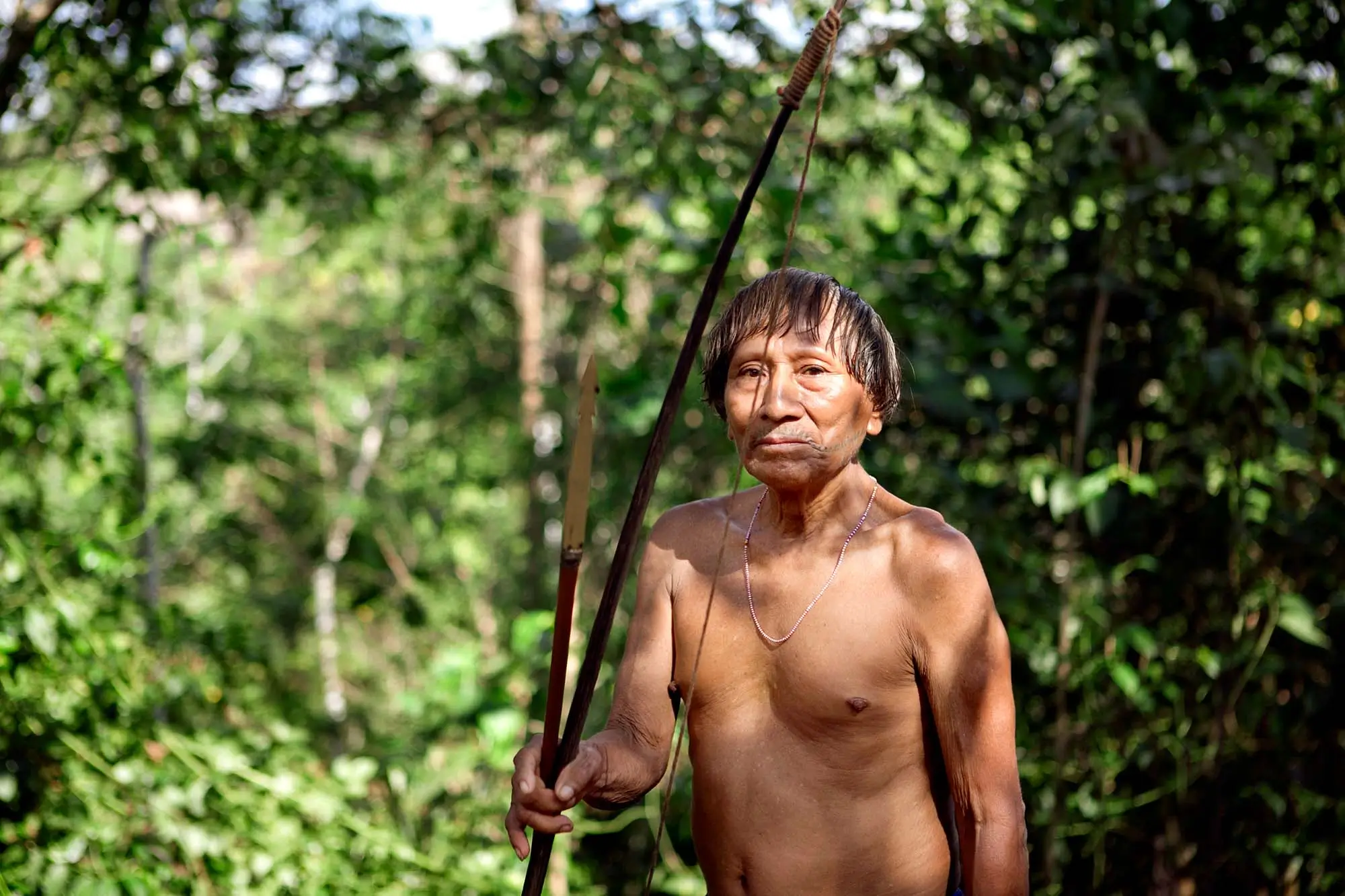
Health conditions and access to healthcare in Matsés communities
One of the main challenges for Matsés communities is limited access to adequate healthcare services in the Amazon rainforest.
Diseases such as malaria, hepatitis, respiratory infections, and parasitic illnesses continue to affect the population, particularly in remote villages with limited medical infrastructure.
Healthcare access in the Javari region remains highly restricted due to geographic isolation, dependence on river transportation, and the absence of permanent medical facilities.
Although occasional medical brigades and external support programs reach some communities, overall healthcare coverage remains insufficient to meet long-term needs in Matsés territory.
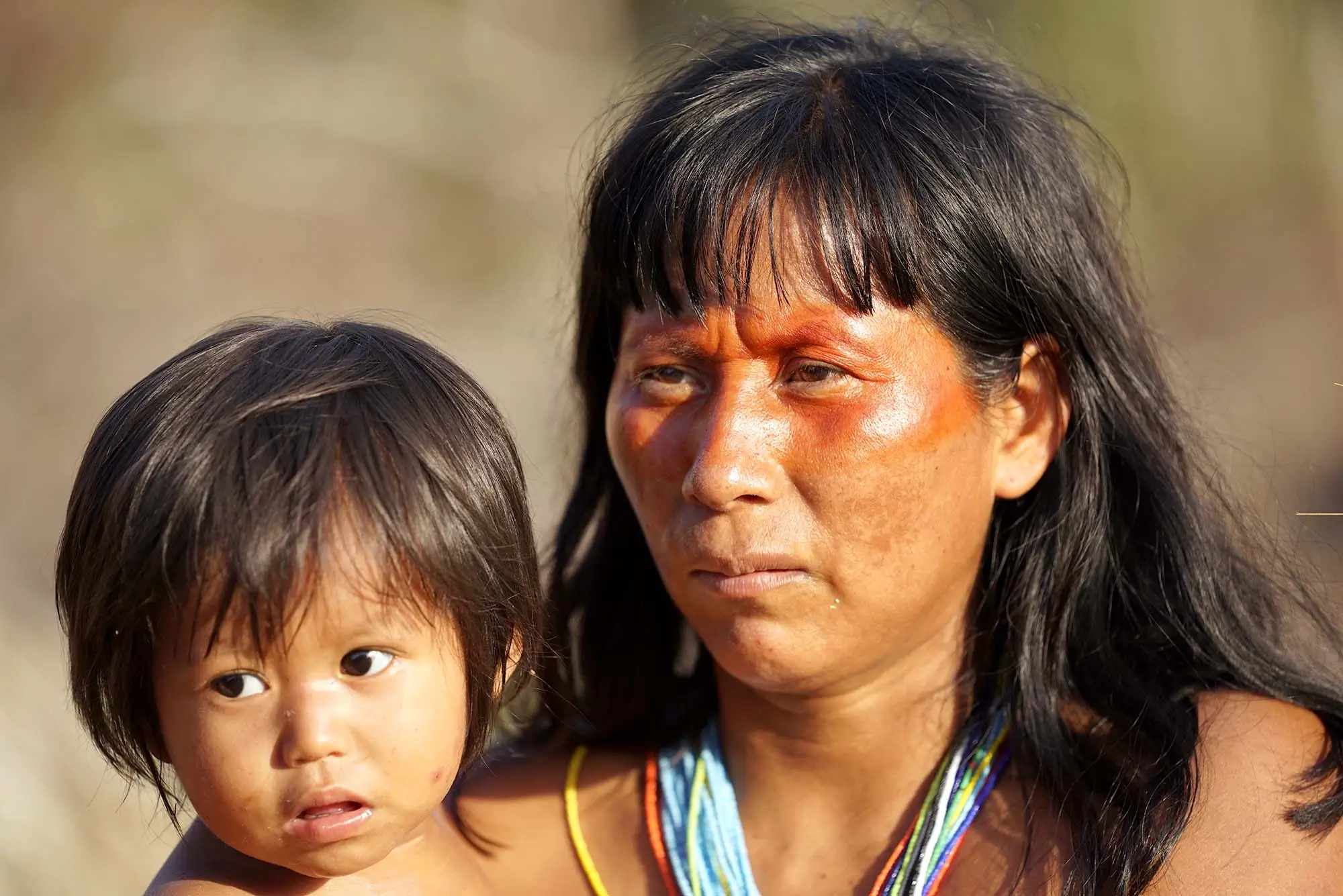
Education and schooling in the Amazon rainforest
Education in Matsés communities is present but still uneven and under-resourced across the Javari River Basin.
Several villages have basic schools, but challenges remain in teacher training, availability of educational materials, and continuity of schooling in remote Amazonian areas.
As a result, some young Matsés leave their communities to pursue secondary education or employment opportunities in nearby towns, contributing to gradual cultural and demographic changes.
Despite these challenges, efforts to strengthen bilingual education and Indigenous language preservation remain an essential part of community development in Matsés territory.
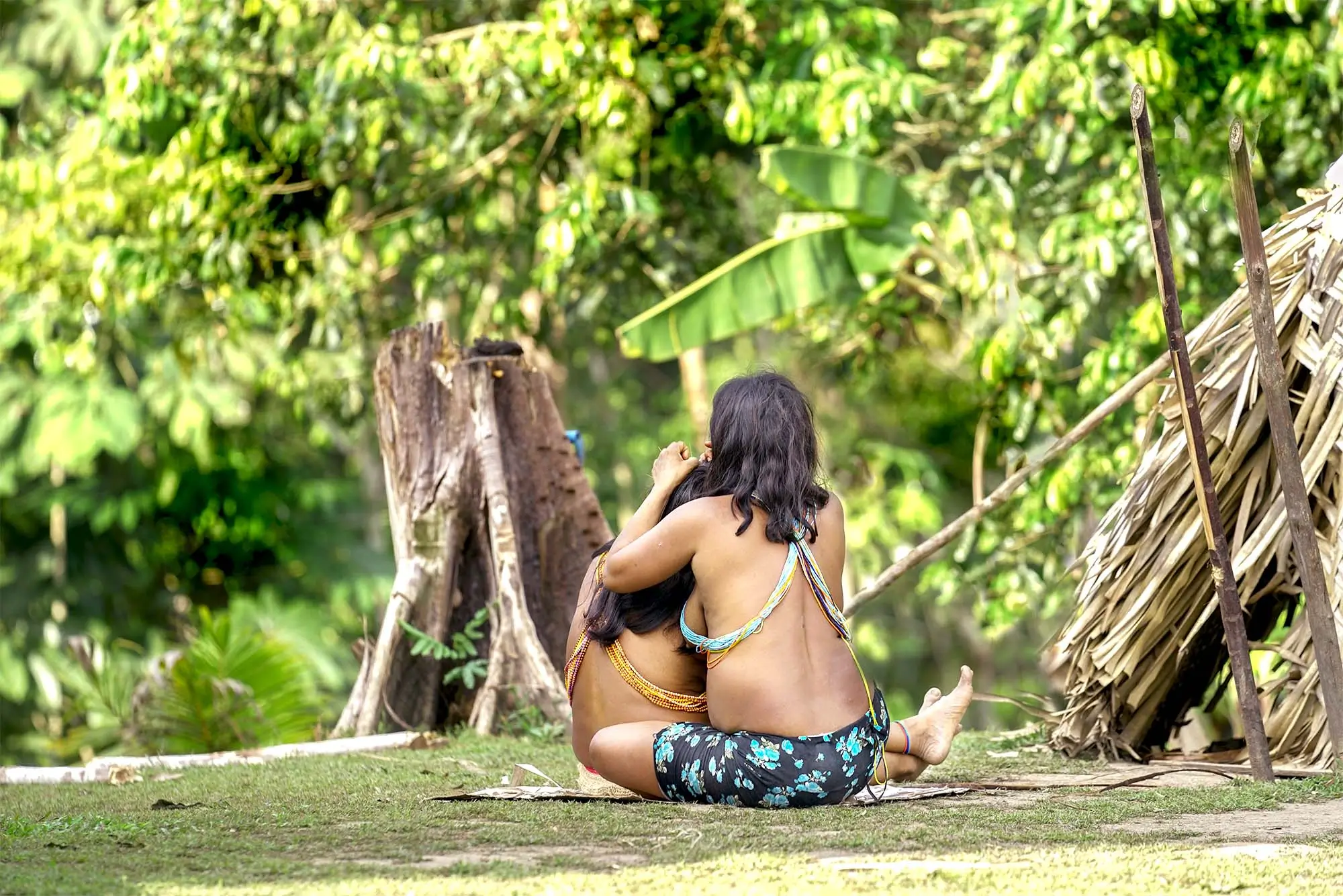
Territorial pressure in the Javari River Basin (Peru–Brazil border)
The Javari River Basin remains one of the most sensitive and least controlled regions of the Amazon rainforest.
Although Indigenous territories and protected areas exist, the region continues to face external pressures from illegal activities such as unauthorized logging, illegal fishing, and cross-border incursions.
The vast and remote nature of the territory makes monitoring extremely difficult, increasing the vulnerability of isolated Indigenous groups such as the Matsés people.
Territorial protection remains a critical issue for the long-term survival, autonomy, and cultural continuity of the Matsés in the Amazon.
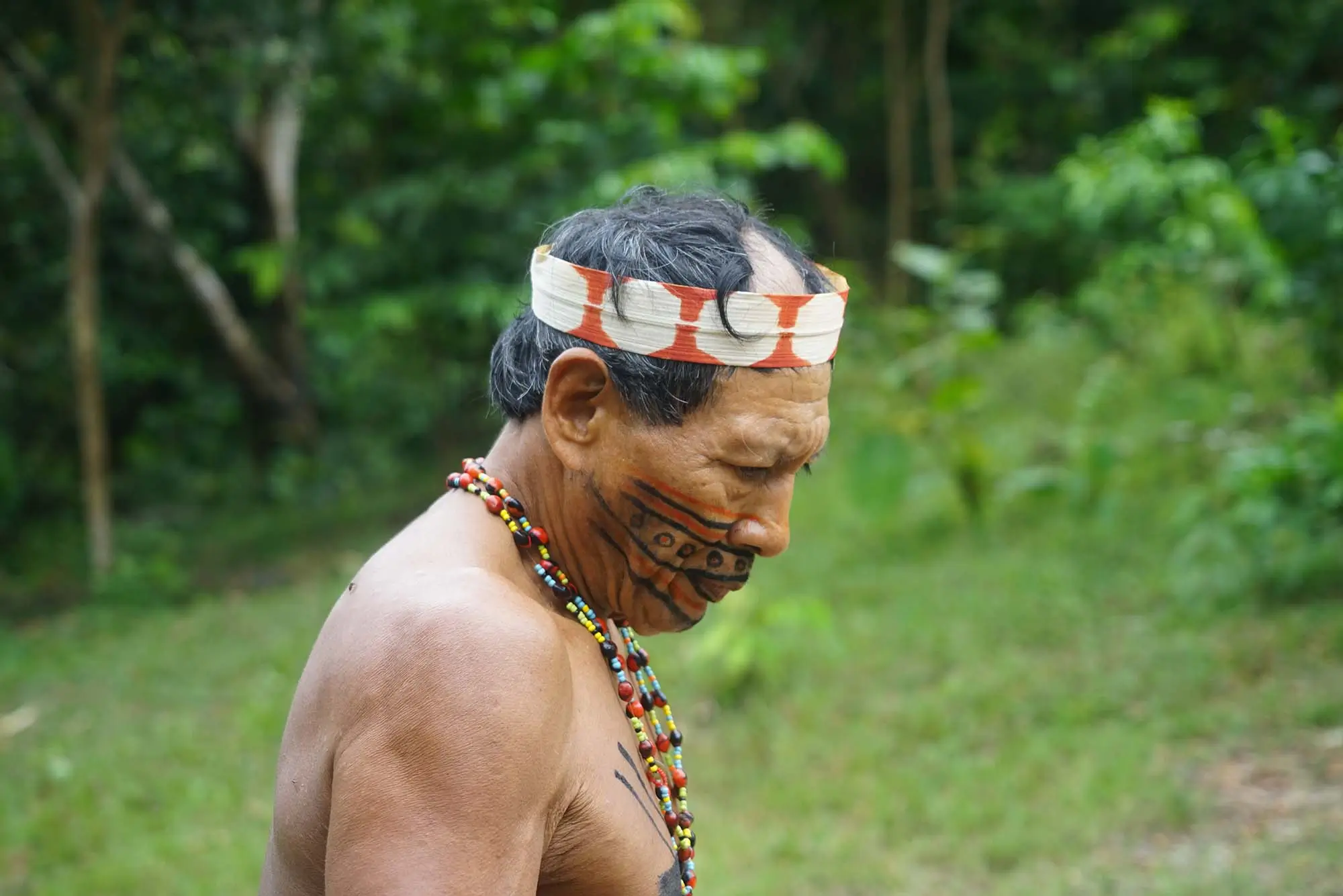
Cultural resilience and continuity of the Matsés people
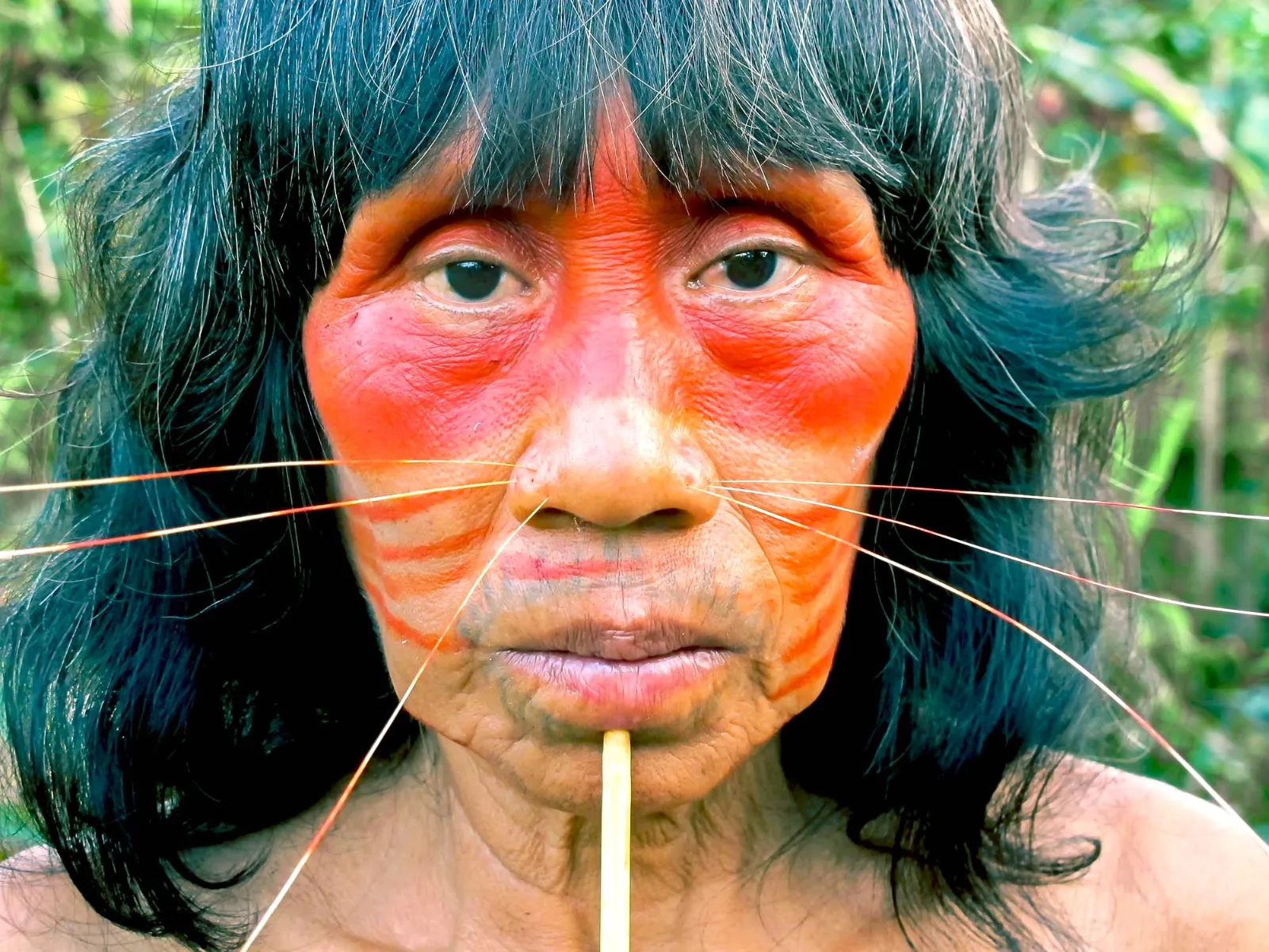
Despite these challenges, the Matsés maintain a strong cultural identity rooted in their language, traditional ecological knowledge, and deep connection to the Amazon rainforest.
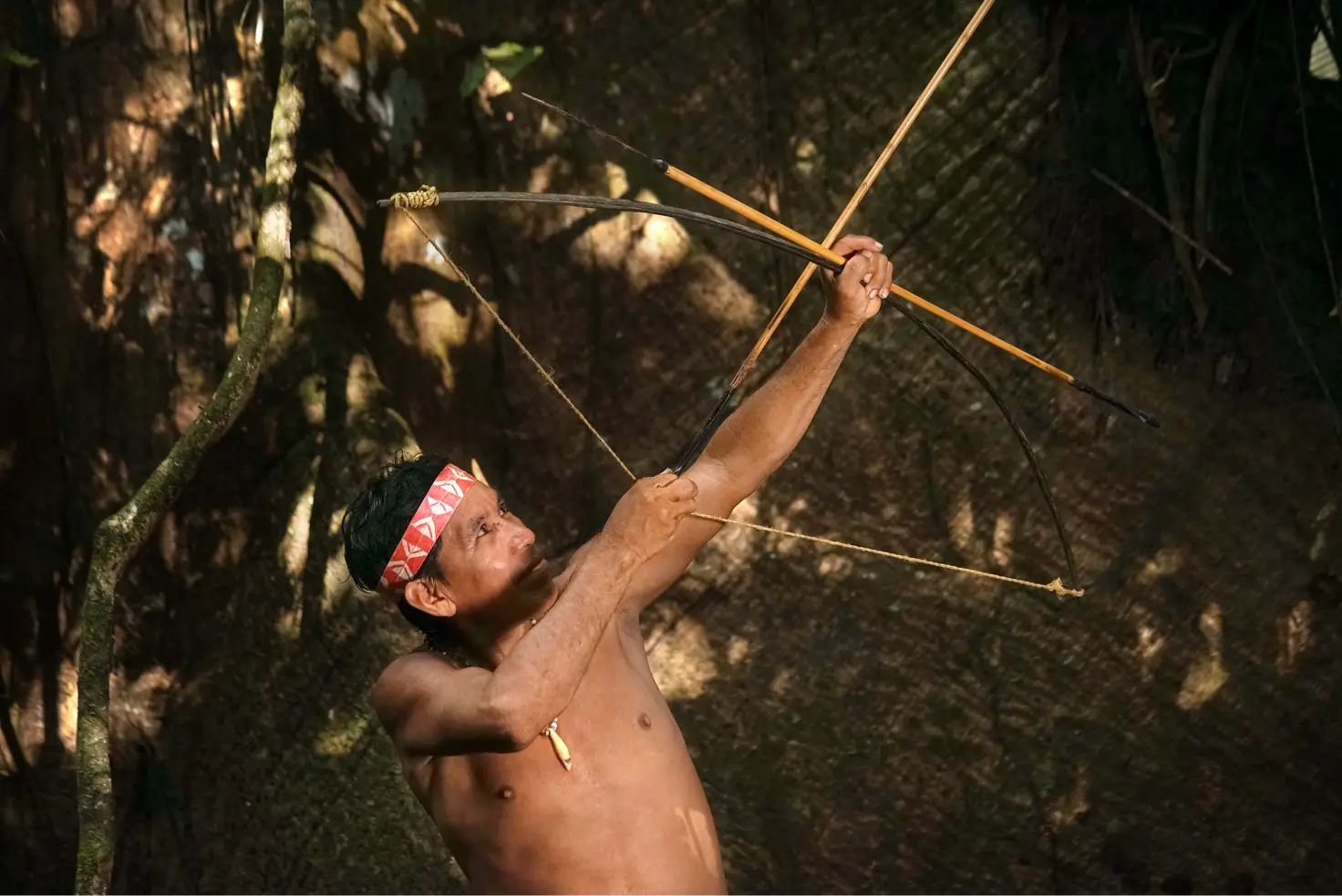
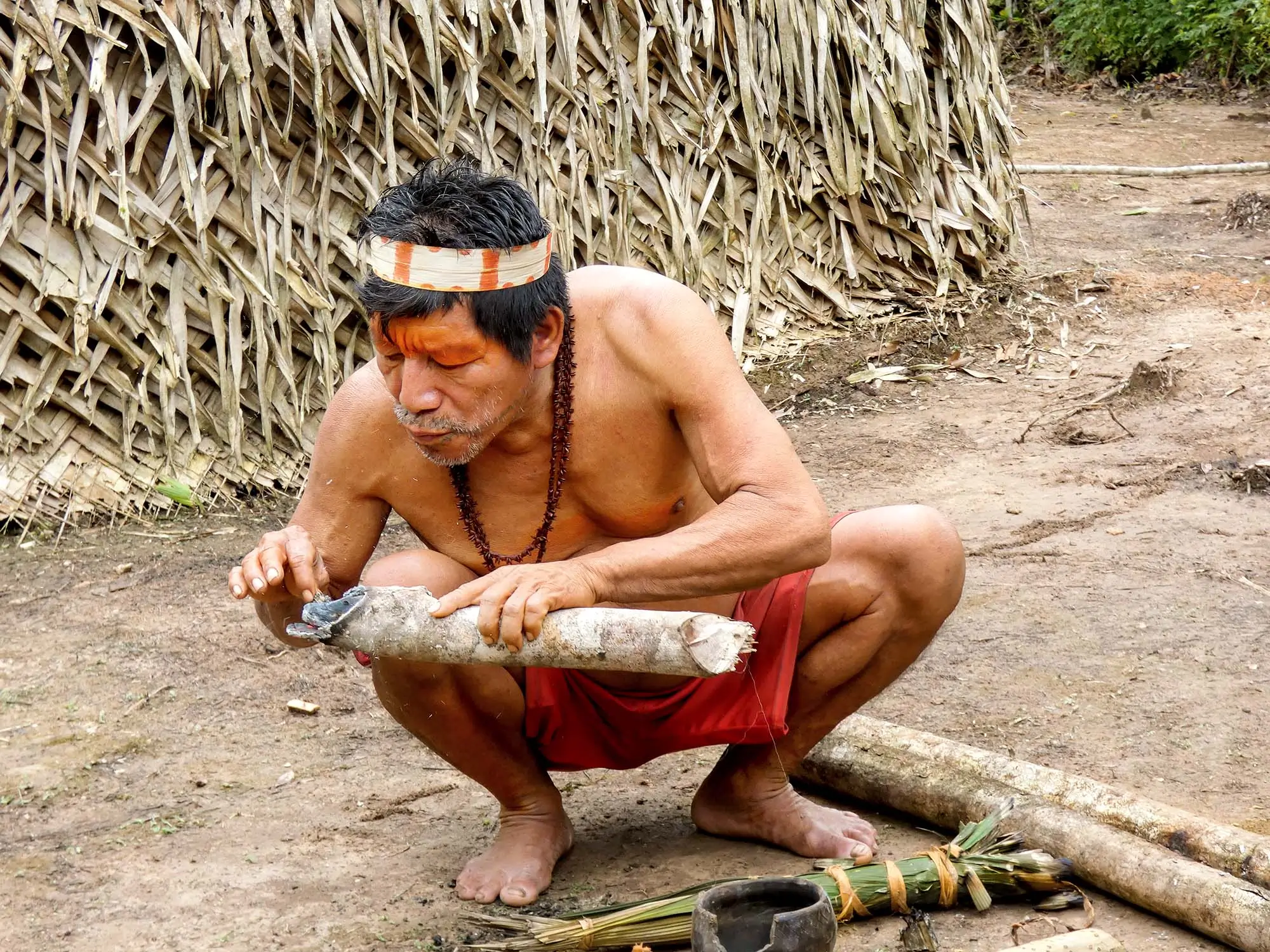
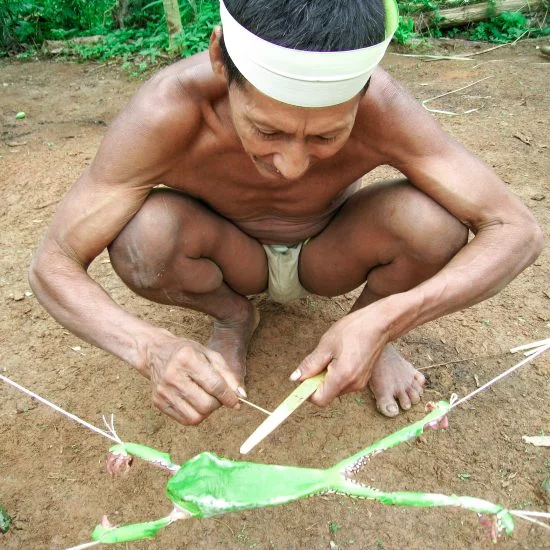
Their knowledge of hunting, fishing, medicinal plants, and forest ecology continues to play a central role in daily life across Matsés communities.
The Matsés language remains widely spoken, especially among children and elders, ensuring the intergenerational transmission of cultural knowledge and identity.
This resilience highlights the ability of the Matsés people to adapt to changing external conditions while preserving the core elements of their Amazonian cultural heritage.
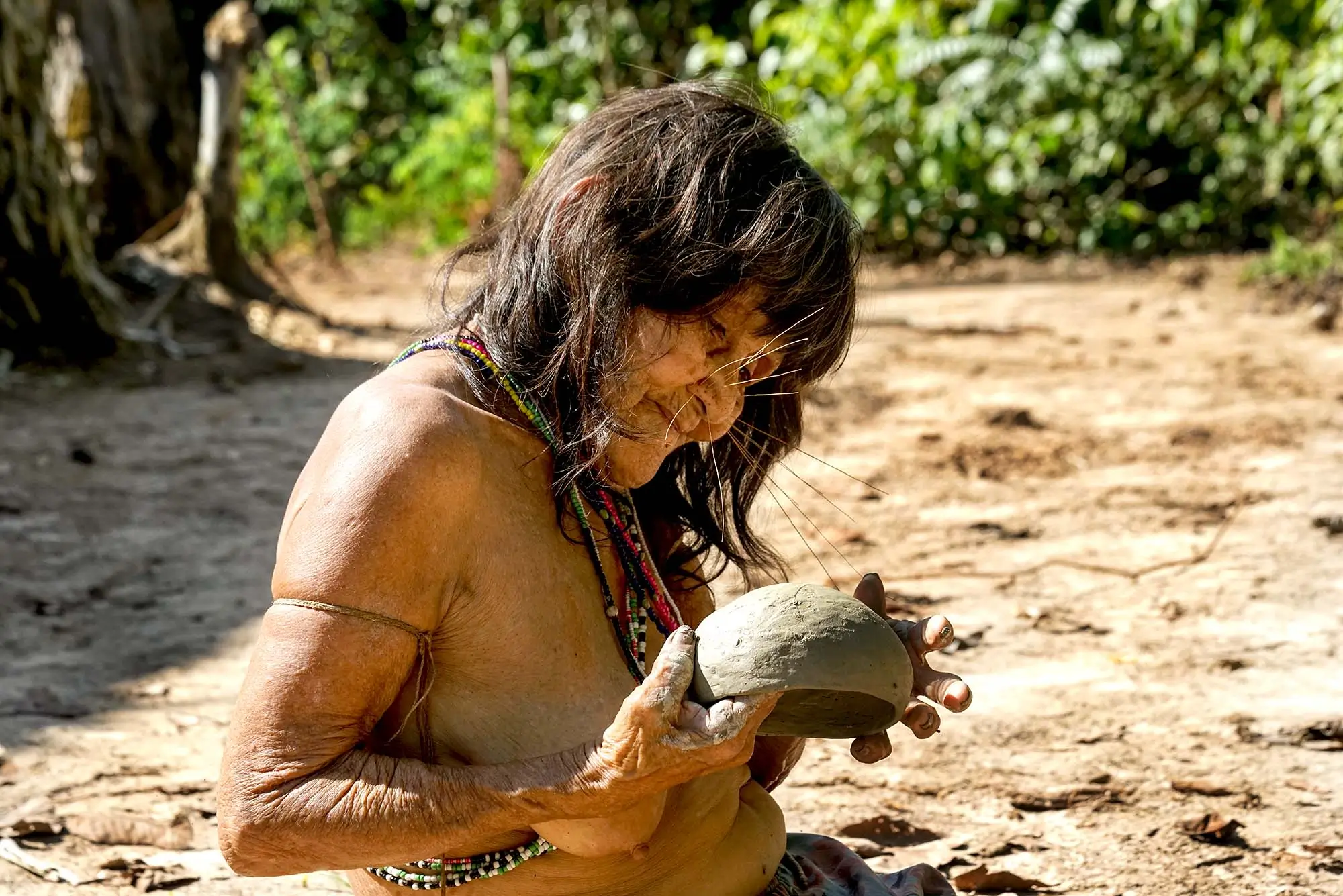
Conclusion — Resilience and continuity in the Amazon rainforest
The Matsés people represent one of the clearest examples of cultural continuity, adaptation, and ecological knowledge in the Amazon rainforest.
Their history reflects centuries of territorial mobility, interethnic conflict, and transformation, followed by a gradual process of contact with external societies.
Today, they continue to navigate the complex realities of the modern Amazon while maintaining a profound relationship with their ancestral territory in the Javari River Basin.
Ultimately, the story of the Matsés is one of resilience, deep environmental knowledge, and enduring cultural identity in one of the most remote regions of the planet.