If you are planning a trip to the Iquitos rainforest, your first instinct is likely to book an Amazon lodge. This style of tourism in the Peruvian Amazon is the ideal gateway for those seeking an initial encounter with biodiversity without sacrificing essential comforts.
However, in a market saturated with offers, it is vital to distinguish between professional services and “tourist traps.” At Amazon Explorer, as specialists in survival programs and deep jungle expeditions, we have analyzed how modern lodge programs work, what they truly include, and how to choose a conventional Iquitos tour with ethical, safe, and responsible criteria.
What to Expect from an Amazon Lodge?
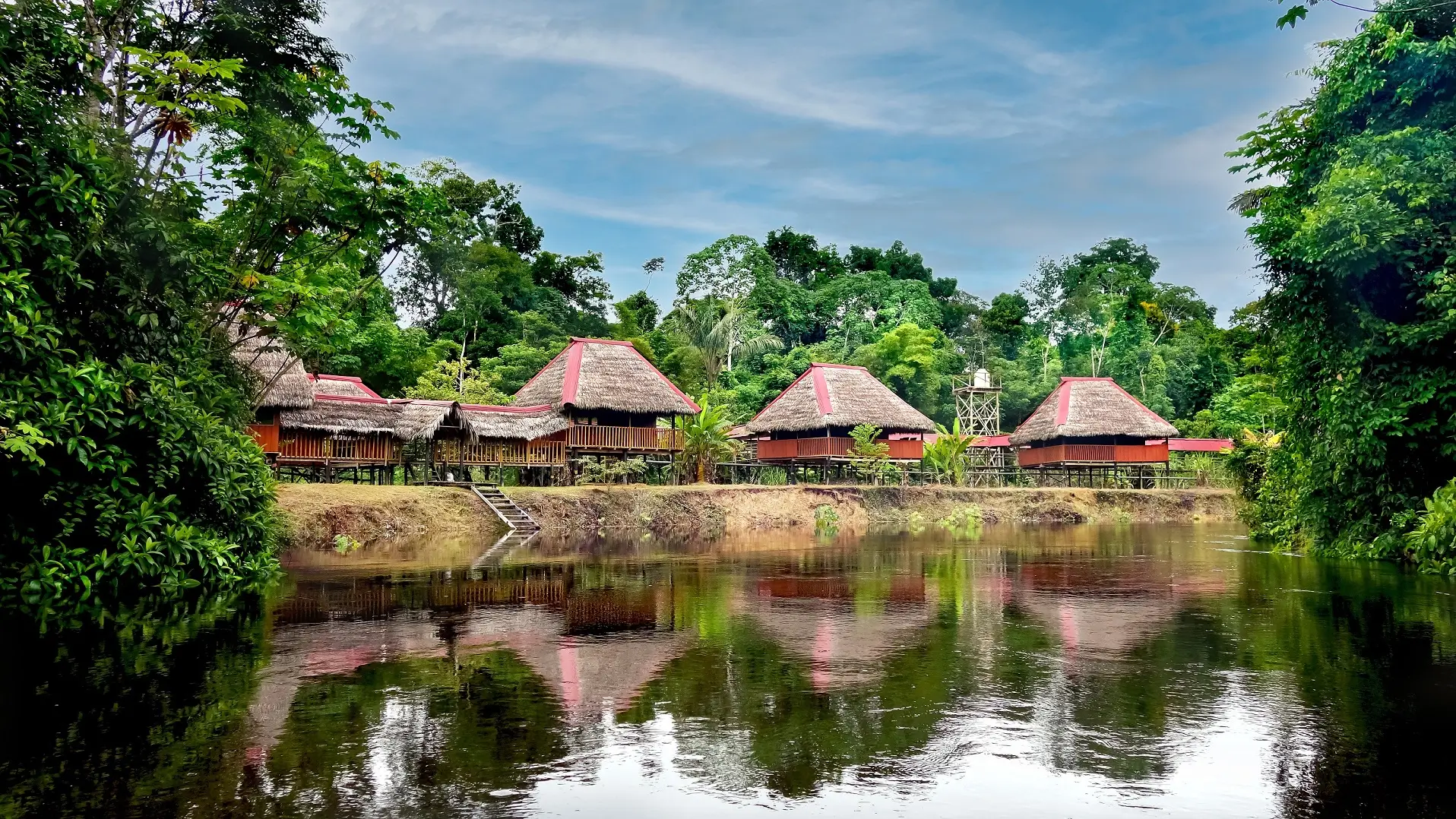
Accommodation in the Iquitos jungle has evolved to meet international hospitality standards. The best lodges in the Amazon now offer comprehensive logistics that simplify the experience for families, couples, or travelers with limited time seeking safety and organization.
A stay at a jungle lodge is, essentially, a controlled introduction to the ecosystem. Below, we break down the fundamental components of these programs.
1. What is an Amazon Lodge, exactly?
Unlike our routes through virgin primary rainforest, lodges are typically located in buffer zones or secondary forest areas, usually along the banks of main rivers for easy access. Typically, a quality service includes:
- Accommodation: Rooms designed with insect protection and beds equipped with mosquito nets.
- Amenities: Private or shared bathrooms, common lounge areas, and full board (breakfast, lunch, and dinner) featuring local Amazonian ingredients and dishes.
- Energy: Limited electricity, generally supplied by solar panels or generators during evening hours.
This balance between nature and comfort allows you to experience the Amazon basin without requiring extreme physical preparation or prior experience in remote environments.
2. Essential Eco-tourism Activities in Peru
Most jungle tours in Iquitos follow a structured itinerary of guided activities. These are the most valued experiences in a conventional itinerary:
- Canopy Walk: A unique perspective from hanging bridges at the treetop level; essential for birdwatching in the Amazon.
- River Navigation: Excursions in traditional boats through the main channel and tributaries to observe the riverside landscape and wildlife.
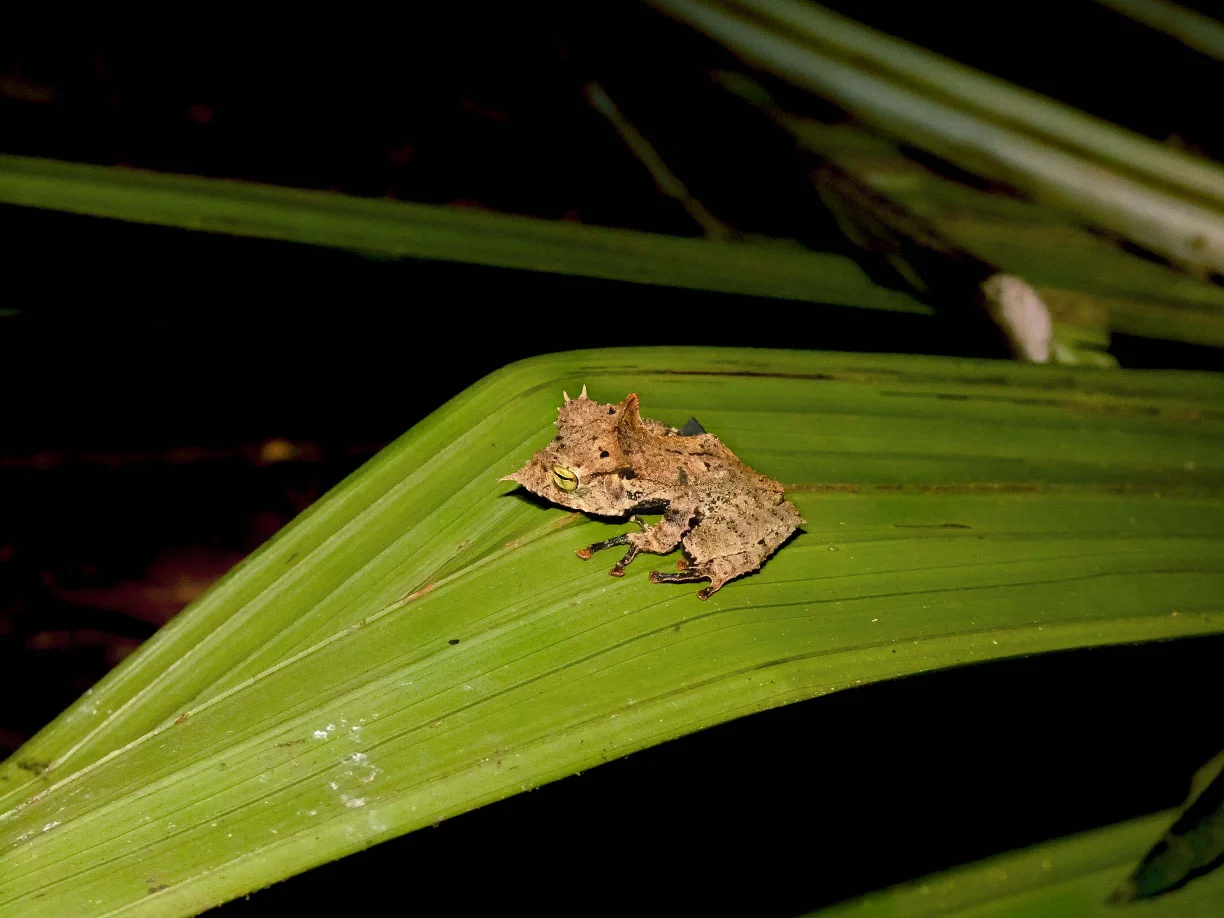
- Night Exploration: Brief guided outings to spot caimans, amphibians, and insects under the safety of an expert.
- Kayaking: Silent exploration of “black water” creeks, ideal for those seeking a low-intensity activity in direct contact with the water.
- Interpretive Trekking: Walks along maintained trails to learn about Amazonian botany and iconic trees like the Lupuna (Ceiba).
3. Location and Realism: How remote is the trip?
Most lodges are located between 1 and 4 hours by boat from Iquitos. It is important to consider the logistical reality of these areas:
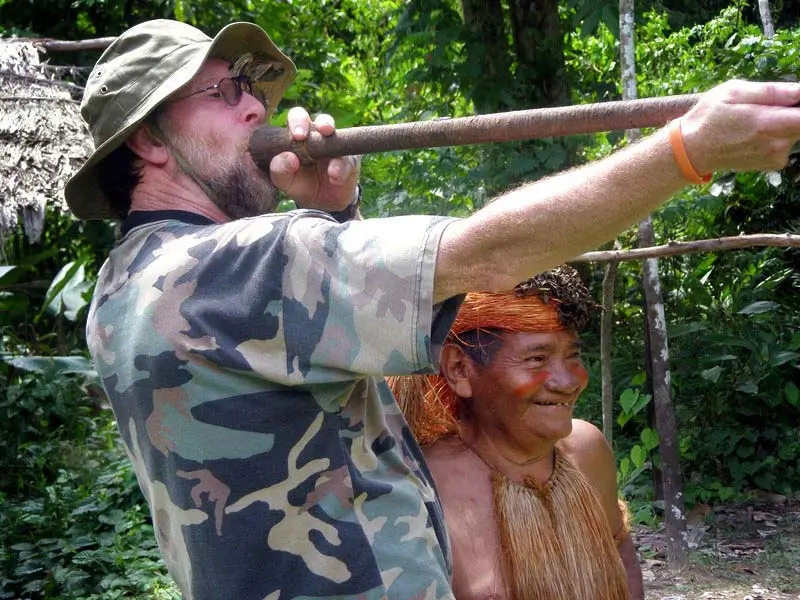
- Human Presence: In these areas, it is common to encounter other tourist groups and local communities.
- Wildlife Sightings: Due to human and tourist activity, the most iconic and elusive species tend to stay away from these busy areas.
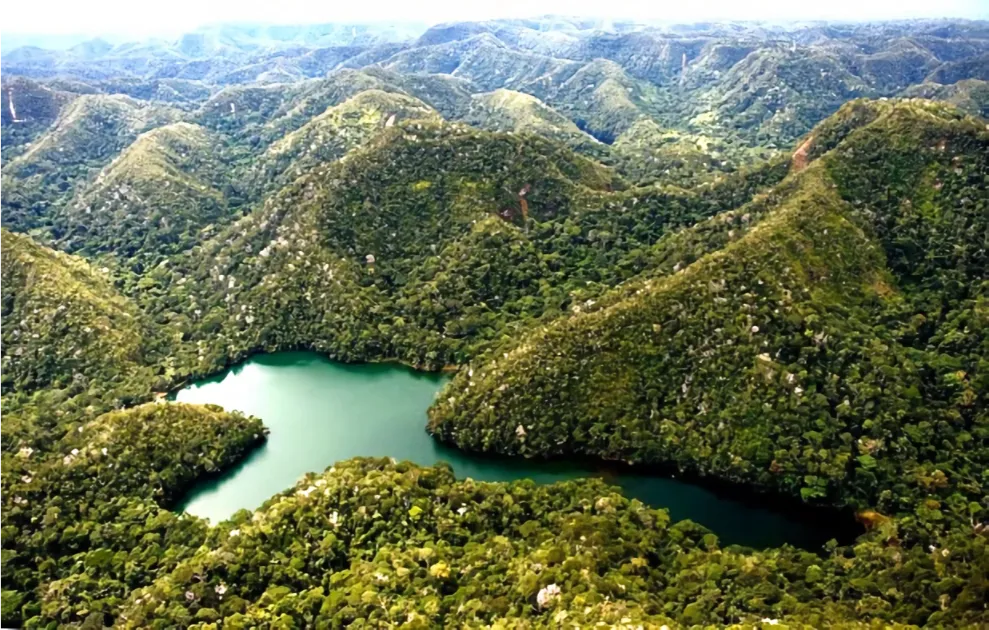
- Forest Condition: This is not unexplored virgin jungle, but rather recovered or protected conservation areas that allow for safe access.
Responsible Tourism: Rescue Centers and Animal Ethics
To ensure your trip to Peru and your stay in Iquitos are truly sustainable, we suggest visiting institutions with a proven track record in wildlife conservation:
- Amazon Rescue Center (CREA): Specialists in manatee rehabilitation and environmental education.
- Pilpintuwasi (Butterfly Farm): A sanctuary dedicated to insect biodiversity and the rescue of land animals.
- Monkey Island: A highly reputable project dedicated to the release of primates rescued from illegal trafficking.
Amazon Explorer’s Critical Note: As experts in the Amazonian environment, we reject any tour that promotes physical contact with wild animals. Holding sloths, touching dolphins, or handling anacondas for a photograph is not tourism—it is animal abuse. Responsible observation is defined by respect and distance; wild animals should never be humanized.

Is a Conventional Tour the Best Option for You?
A conventional jungle tour is ideal for:
- First-time visitors to the Amazon who prioritize comfort.
- Travelers with short itineraries (3 to 5 days).
- Families with children who require controlled logistics.
It is not the right choice if you are looking for:
- Learning real survival techniques.
- Intense physical challenges and total disconnection from mass tourism.
- Exploration of virgin primary rainforest and wildlife sightings in a purely wild state.
Conclusion: Is a Lodge Tour Worth It?
Staying at a lodge is the perfect gateway to the Amazon, a nature experience designed for those who value safety, comfort, and solid infrastructure in their first encounter with the jungle.
However, if after reading this guide you feel your spirit seeks something deeper, more technical, and less predictable… you might be ready to take the leap into a true expedition.