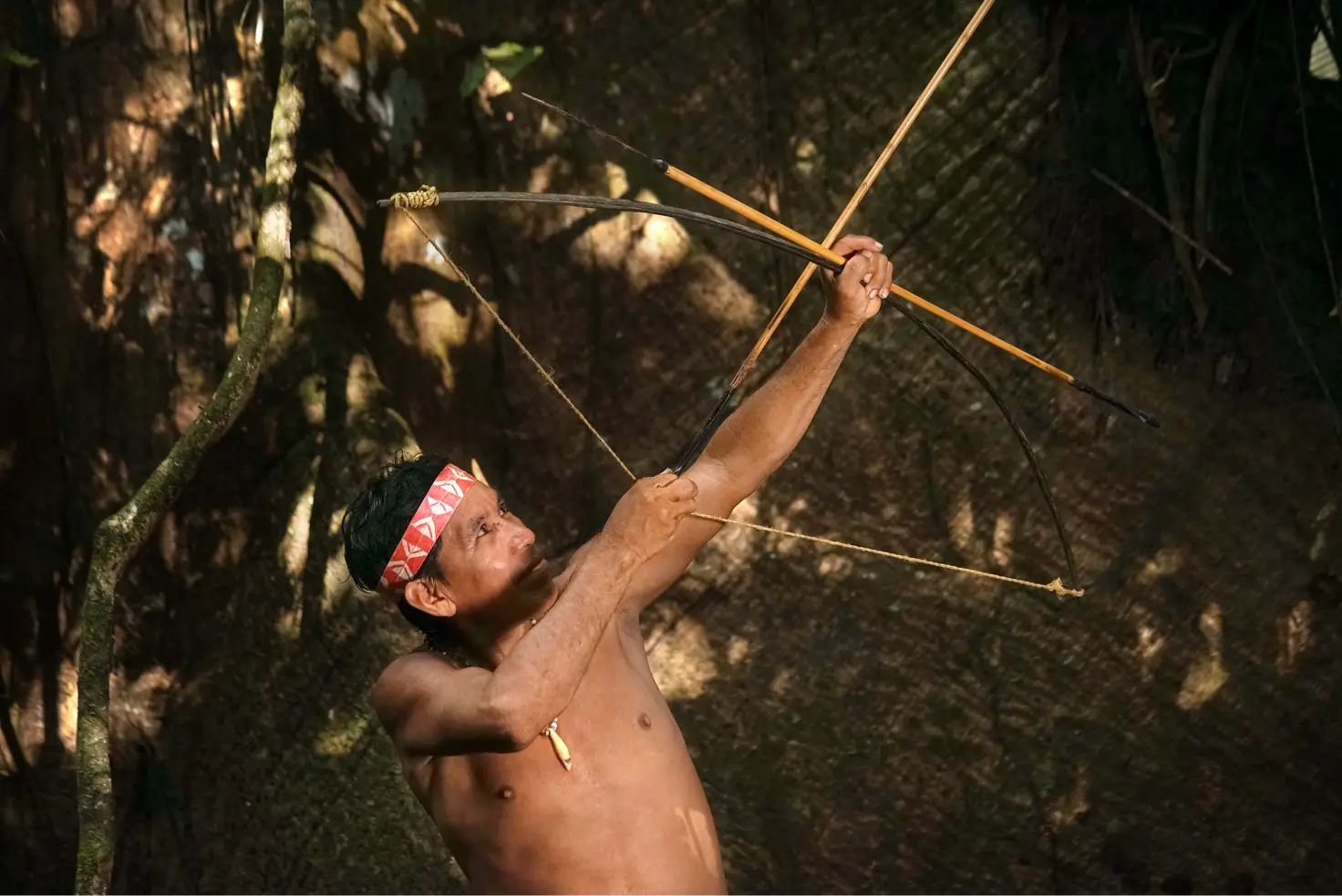
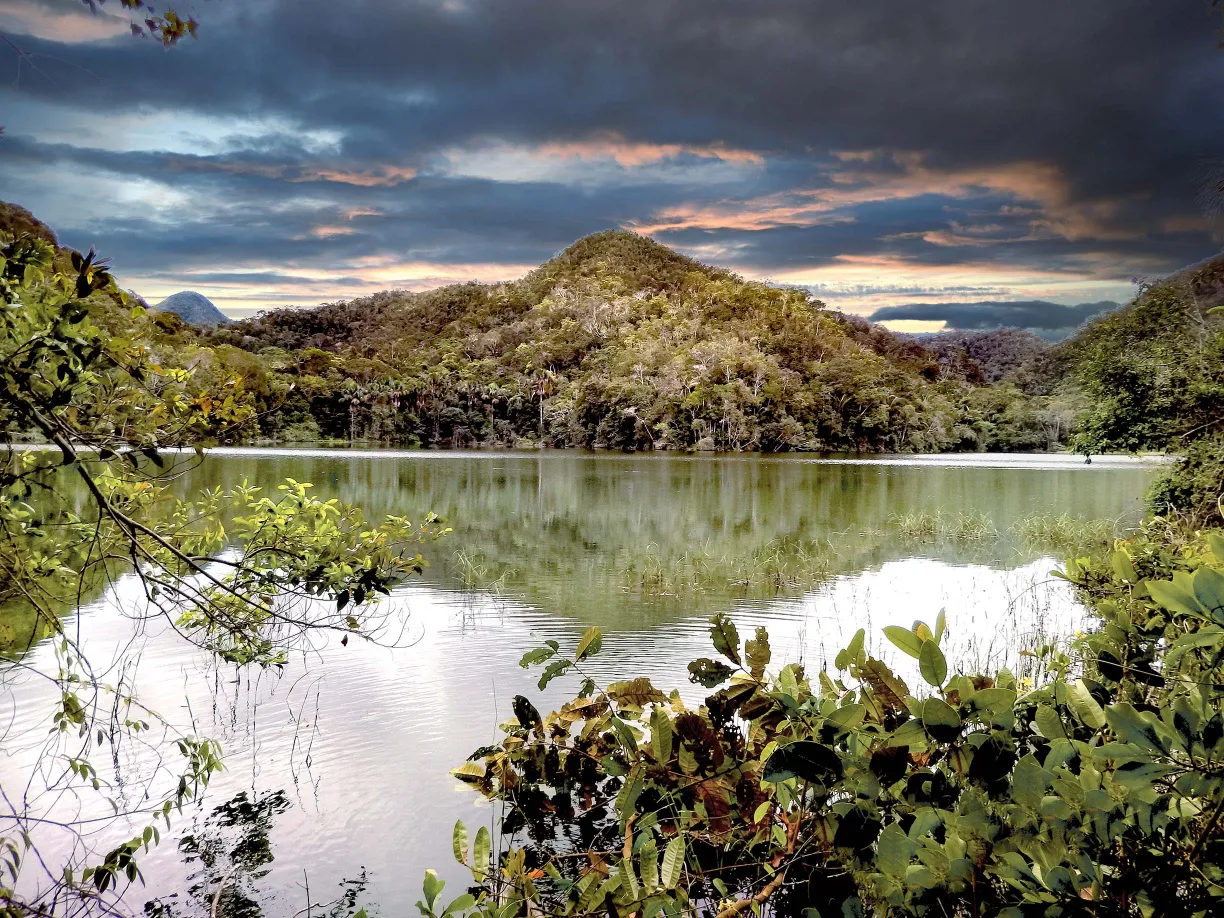
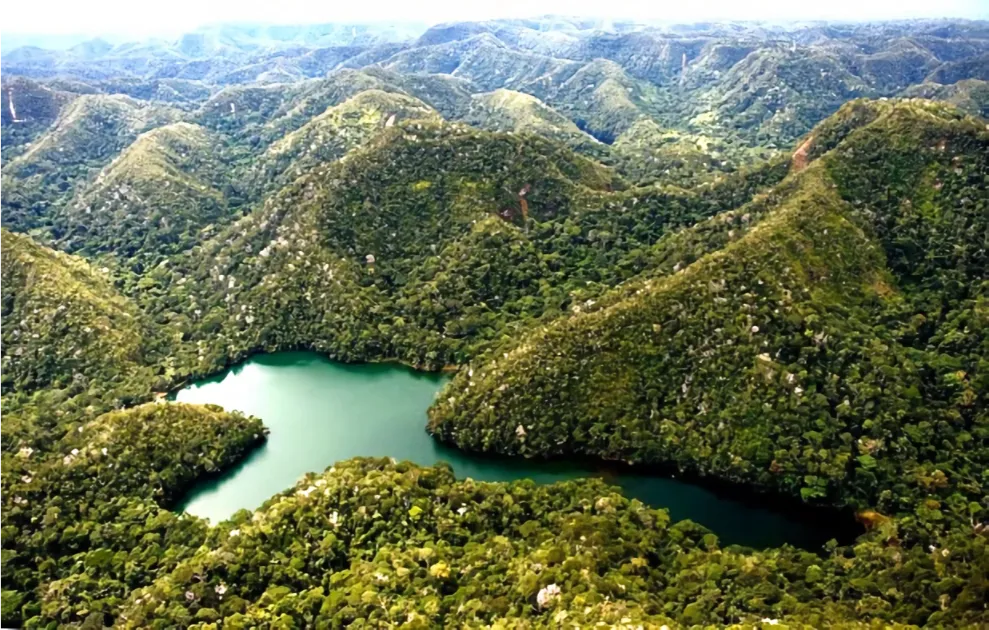
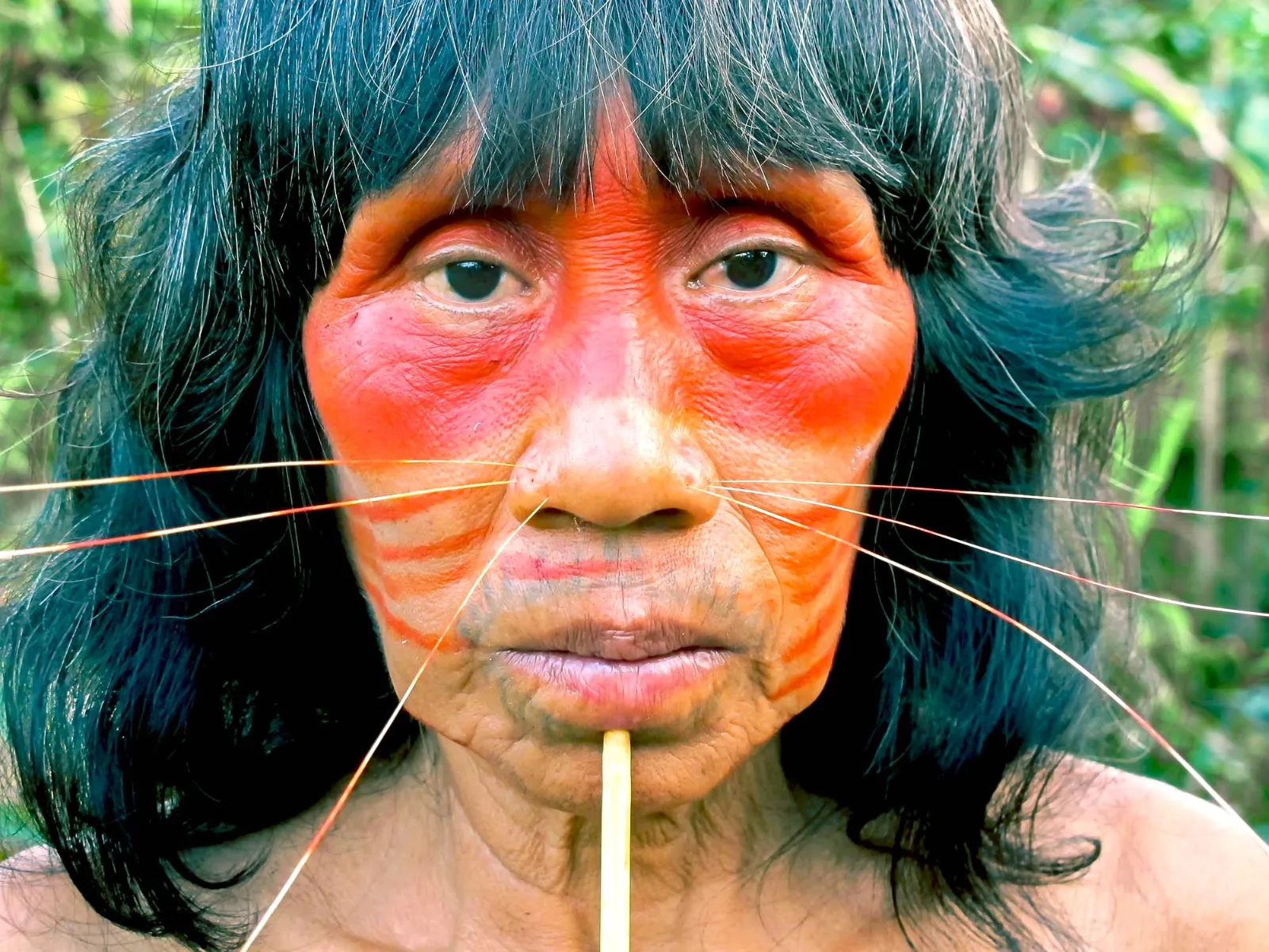
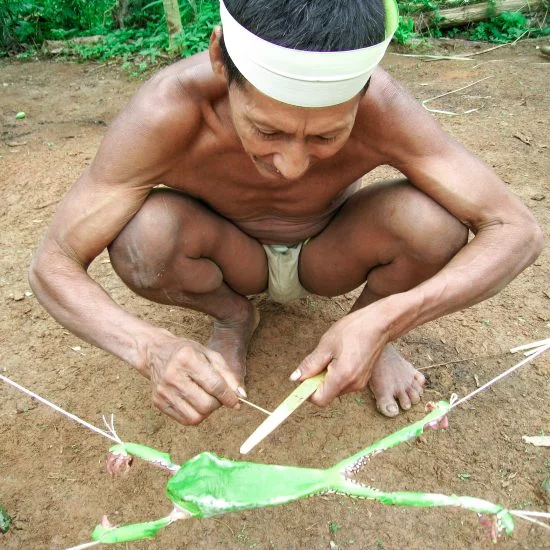
One of my first trips into the Amazon rainforest took me to a remote indigenous community on the border with Brazil. When I returned, the indigenous people pointed out a faint trail leading into the primary forest. With 120 kilometers (74.5 miles) ahead of me and only two indigenous guides accompanying me, I set out on a journey that would test my endurance and sense of direction.
I had prepared for the adventure, but nothing could have truly prepared me for what was to come. After the first night in the forest, the indigenous people who were guiding me, visibly shaken and frightened by seeing signs of nomadic natives, informed me of their decision to turn back. Alone in that vast, green expanse, the idea of traversing 100 kilometers (62 miles) along a fading trail filled me with a mix of determination and apprehension. The uncertainty gnawed at me, yet it also drove me to keep moving forward.
During my first night of solitude, I felt a tingling sensation while I slept. When I turned on my flashlight, I discovered that I had been overrun by leaf-cutting ants (Atta sexdens) and that my mosquito net, my only protection, was completely riddled with holes. Forced to sleep outdoors, I sought refuge among the large buttress roots of the trees. However, the relentless mosquito bites kept me in a nearly somnambulant state. Despite my exhaustion, the drive to survive pushed me forward.

I started walking at 5 a.m., keenly searching for any sign of the lost trail. By 5 p.m., I would seek a place to shelter for the night. My days became a continuous struggle for survival. I quenched my thirst by drinking directly from murky streams and scoured the jungle for food, finding small wild fruits that provided temporary relief. Using a small knife, I managed to cut down a palm tree and extract the precious palm heart, which became my main source of sustenance over those seven days.
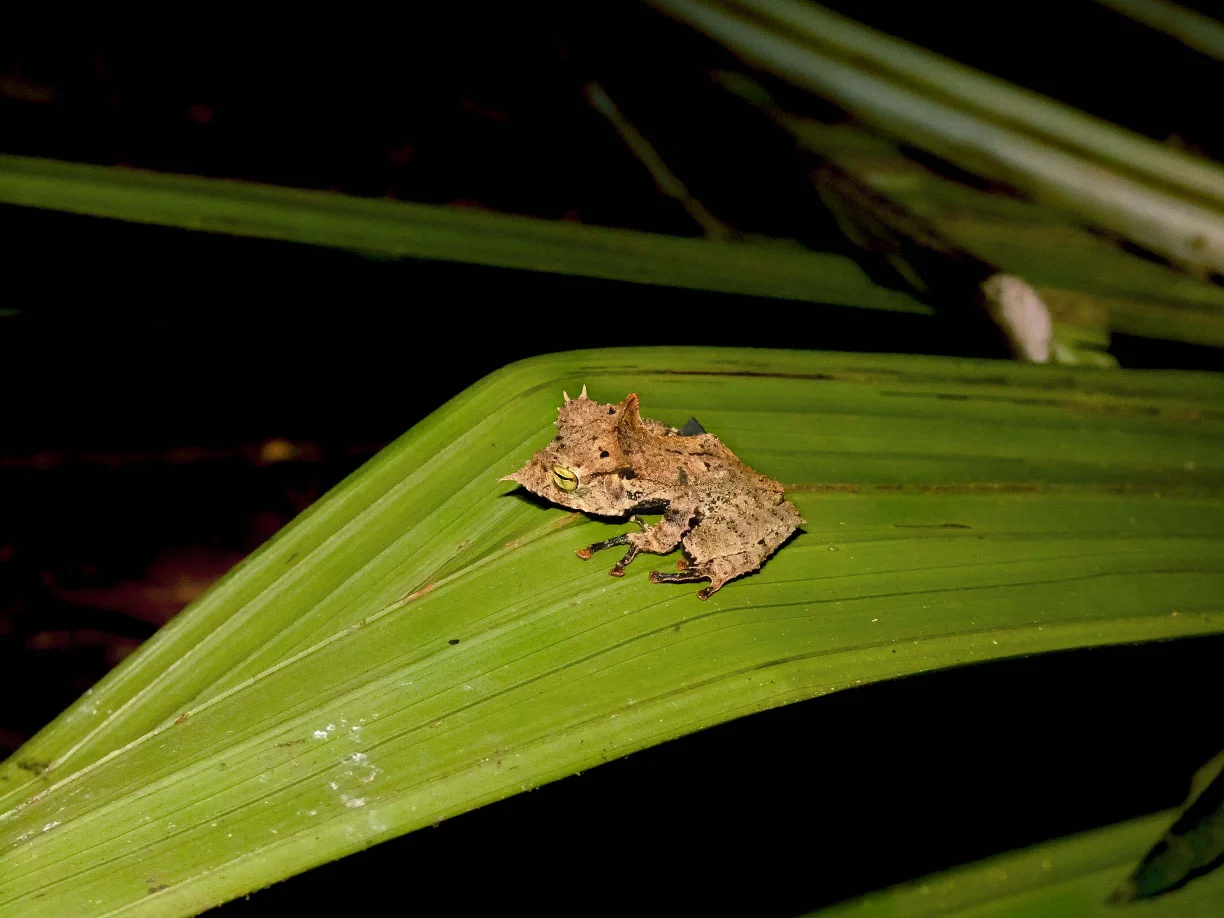
During my trek through the dense vegetation, I had an unforgettable encounter with a majestic jaguar (Panthera onca) just a few meters away. The sighting lasted only five seconds; the jaguar looked at me and, like a ghost, vanished into the forest. In addition to this remarkable encounter, I came across venomous snakes, turtles, a tapir, white-lipped peccaries, and several species of monkeys that seemed to challenge me with their loud calls.
Every day, I bathed in the streams to cool off, and often, when I came out of the water, I had to remove leeches that had attached themselves to my body.

After six days of wandering alone through the dense jungle, I finally discovered the path to civilization among fallen trees. On the seventh day, I reached a more defined path that led me to a farm. There, feeling a mix of relief and exhaustion, I was fortunate to meet someone who offered me mazato de pijuayo, a local drink. I drank it desperately, but my weakened body, after days of deprivation, could not tolerate it.
Ultimately, I traveled the final 10 kilometers (6 miles) along a well-marked path and arrived at a riverside town on the Ucayali River, where I found a motorboat that took me to the city of Iquitos.
Shortly after returning, I was diagnosed with dengue, malaria, and intestinal parasites, all resulting from my time in the jungle. Additionally, larvae from jungle flies had caused an infestation of worms in my skin. Despite the enduring effects and discomfort, the journey imparted a profound lesson on human resilience and vulnerability against the vastness of nature. Each challenge and hardship I faced deepened my understanding and respect for the natural world and highlighted the human spirit’s capacity to overcome extreme adversity.