In the first part of this article, we explore how Francisco de Orellana and his explorers initiated the discovery of the Amazon River.
The relentless voyage continued as the Spanish explorers pressed forward, their hopes pinned on finding sustenance and sanctuary in the next settlement. Yet, fate conspired against their expectations. Their arrival was met not with open arms, but with a furious volley of arrows, one of which found its mark in the right eye of Fray Gaspar de Carvajal. The holy man, now wounded twice within the same day, endured agonizing pain as he lost his eye to the cruel twist of destiny.
His comrades rallied around, striving to tend to the empty and bloodied orbit, but Carvajal bore his affliction without complaint. Instead, he offered gratitude to the Almighty, viewing these ordeals as tests of faith. His unwavering faith became a wellspring of solace for his fellow wounded companions. Carvajal harbored no bitterness toward the native assailants; he understood their predicament, sensing their fear of these alien intruders who traversed their ancestral lands.
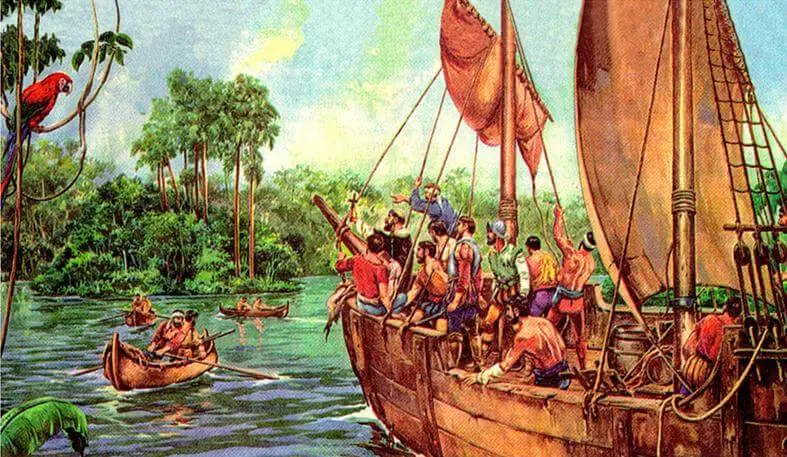
Dawn broke, and once again, the Spanish vessels found themselves encircled, this time by more than two hundred indigenous canoes. Trumpets blared and drums reverberated, setting the stage for a confrontation. Orellana, undeterred, issued the order to retaliate, narrowly escaping what could have been their final reckoning. The expedition’s ships navigated toward a narrow channel, seeking respite from the relentless native onslaught, with a plan to return to the main river at a later time.
However, destiny had other designs. Near the confluence with the river, a formidable blockade materialized, cunningly constructed by the natives, determined to trap the foreigners and demand their surrender. It was yet another grueling engagement, punctuated by the firepower of harquebuses. Only by pushing toward the turbulent center of the river, where the current surged with formidable might, did they manage to break free.
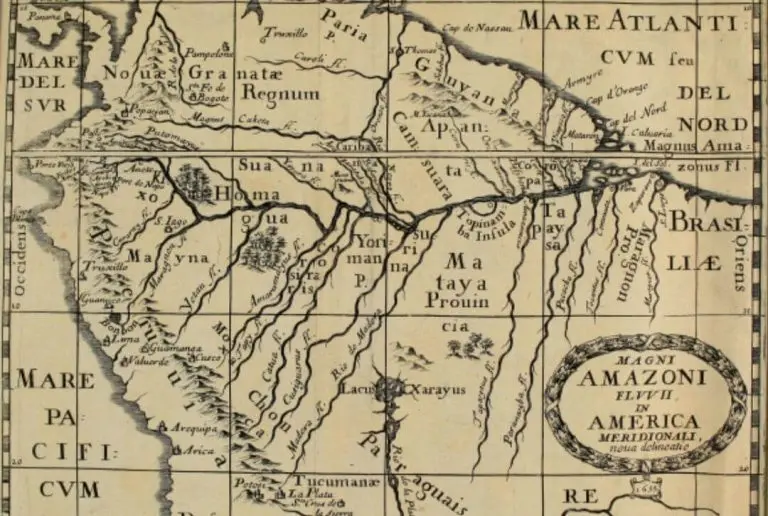
After surviving this harrowing passage, they sailed for more than a day, eventually reaching the confluence with a grand river known as the Tapajós, flowing in from the right. Here, they found refuge for the night on a vast, tranquil beach.
In this moment of respite, Orellana seized the opportunity to interrogate the indigenous prisoner captured during the clash with the Amazons.
These formidable women warriors dwelled deep in the jungle, presiding over seventy settlements, each a week’s journey apart.
The Amazons levied tributes on vanquished tribes and avoided marriage, preferring liaisons with prisoners, who were then returned home. A legend arose that men who left youthful would return as aged elders.
Children born of these unions met a grim fate; they were mercilessly slain, their tiny bodies sometimes dispatched to the villages of their fathers. Daughters, on the other hand, were spared and initiated into the art of war. Their dwellings were rumored to overflow with silver, gold, and exquisitely adorned clay amphoras. Attired in vibrant cotton attire on occasion, the Amazons more often than not wore only minimal garb, preserving modesty by concealing their private domains. The native account further revealed that these enigmatic women held a deep reverence for the Sun God, paying homage within sacred temples adorned with female idols.
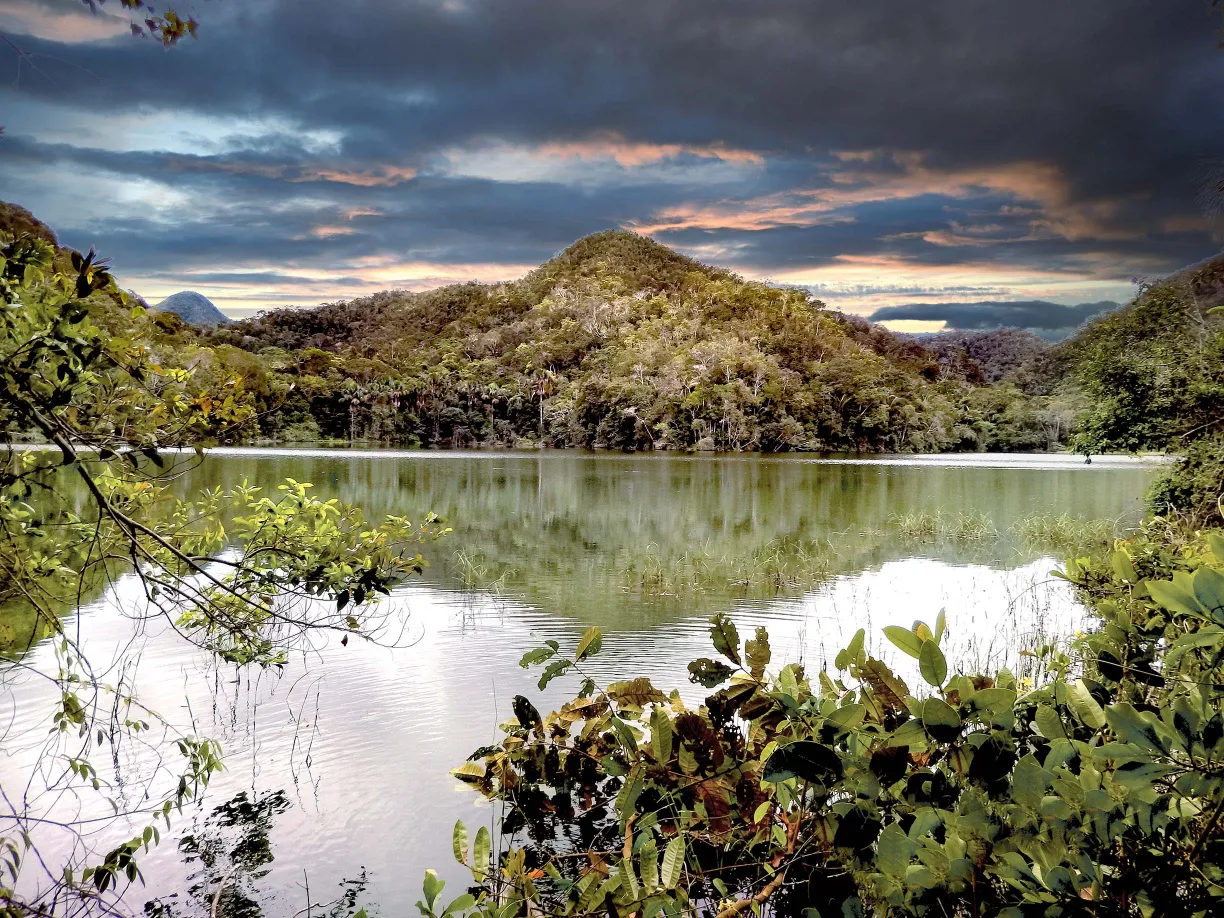
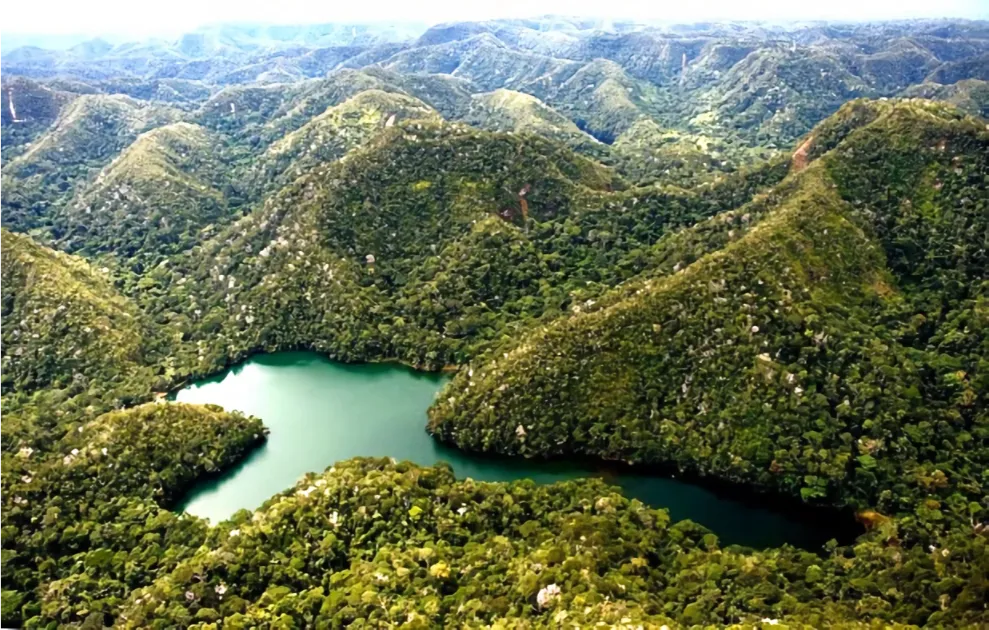
Intriguingly, the accounts of Cristóbal de Acuña, a religious explorer who visited the region in 1637, corroborated these tales of the Amazons. He described the mystical Lake Parimé, where the warrior women harvested salt and a jade stone, treasured as both amulet and symbol, offered in gratitude to the gods.