An expedition into the Amazon represents an exceptional opportunity to venture into one of the most biodiverse ecosystems on the planet. The jungle is home to species that could pose a threat to travelers, requiring proper precautions and the guidance of experienced local experts.
In the first part, we covered species of snakes, caimans, and crocodiles. In this second installment, we will discuss how the dangers in the Amazon are not always as large as one might expect. We will explore the world of insects and arthropods, where tiny creatures can inflict extremely painful or even deadly bites and stings.
Stay tuned for our third article to learn more about the incredible fauna of the Amazon.
HYMENOPTERA (Bees, Wasps, and Ants)
- Wasps. Wasps in the Amazon region can also be dangerous, particularly the larger species that can attack in swarms if they feel threatened. The venom of Amazonian wasps is potent and can cause severe allergic reactions in susceptible individuals. While stings from these wasps are rarely fatal, they can cause intense pain, swelling, and, in some cases, respiratory difficulties, making it crucial to seek medical attention if stung.

- Paraponera clavata. Known as the bullet ant due to the intense pain caused by its sting, it is one of the most feared species in the Amazon rainforest. This ant, which can grow up to 2.5 cm in length, is characterized by its shiny black color and aggression when threatened. Its sting releases venom that produces paralyzing pain for several hours, comparable to the pain of a gunshot. While not typically lethal, the extreme pain and swelling caused by its sting make this ant one of the most dangerous in the region.
- Pseudomyrmex triplaris. The Tangarana ant is a fascinating and dangerous species. This ant forms a symbiotic relationship with certain trees of the Tachigali genus, providing protection to these trees in exchange for shelter within their structures. The ants reside in the spines of the trees and defend their home with extreme aggression, attacking any intruder, from insects to larger animals. Its sting, containing potent venom, can cause intense pain and severe allergic reactions, making it one of the most feared ants in the region. Despite its danger, Pseudomyrmex triplaris plays a crucial ecological role by controlling pests and maintaining balance in its environment.
- Solenopsis invicta. Known as the fire ant, this species is famous for its aggression and extremely painful stings. These ants, which often form large colonies, are highly territorial and will attack in swarms when they sense a threat. Their sting is painful due to their potent venom, which can cause a burning sensation, swelling, and redness on the skin. While stings from Solenopsis are rarely lethal, allergic reactions can be severe, particularly in susceptible individuals. The fire ant is also known for its ability to organize coordinated attacks, making it one of the most feared species in the region.
ARTHROPODS (Arachnids, Myriapods, and Others)
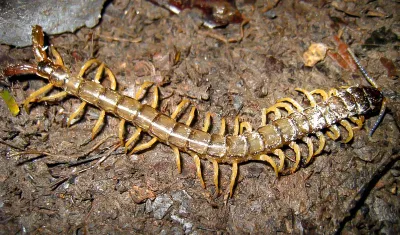
- Centipedes (Scolopendra). These large carnivorous centipedes inhabit the Amazon region and are known for their impressive size and venom. These creatures, which can reach up to 30 cm in length, have segmented bodies and many legs, allowing them to move quickly. While not lethal to humans, their bites can cause intense pain, swelling, and fever. In some cases, their venom can induce allergic reactions. A centipede bite requires immediate medical attention to alleviate symptoms.
- Phoneutria fera. Known as the Brazilian wandering spider or banana spider, it is famous for its extremely potent venom and aggressive behavior. This spider can move quickly and will attack if it feels threatened. Its venom contains neurotoxins that can cause extreme pain, muscle paralysis, and, in severe cases, death if an antidote is not administered promptly. Despite its danger, the spider rarely seeks out contact with humans and usually hides in dark, moist areas.

OTHER
- Venomous Bayuca Larvae (Urticating Larvae). A hidden danger in the Peruvian Amazon, these larvae of lepidopterans (butterflies and moths) possess stinging hairs capable of causing allergic reactions in humans. These brightly colored, varied-shaped caterpillars use their stinging hairs as a defense mechanism against predators. Upon contact with human skin, these hairs release toxic substances that cause intense pain, swelling, and blisters. It is crucial to be aware of the risks associated with these larvae and take precautions when exploring the jungle.

Read Part 3 and Part 4 of our blog, Most Dangerous Animals in The Amazon Rainforest, to learn more about the incredible fauna of the Amazon!