We have reached the culmination of our journey through the wonders and challenges hidden within the Amazon. In previous articles, we explored everything from the silent power of snakes, caimans, and crocodiles, to the surprising danger lurking in the tiny world of insects and arthropods. In our last immersion, we discovered the necessary precautions when venturing into the waters, home to fish with unique defenses, and when traversing the jungle, where majestic mammals like the elusive huangana, the agile puma, and the iconic jaguar command respect.
Our journey through the Amazon continues to unveil the fascinating and sometimes challenging aspects of this natural realm of astonishing diversity. In the first article, we explored the stealthy world of snakes and the imposing caimans and crocodiles. In the second part, we discovered the universe of insects and arthropods whose small size does not diminish their potential danger. And in the third article, we delved into the world of fish with their unique defenses and the mighty mammals that roam the jungle, including the elusive huangana, the puma, and the iconic jaguar.
In this final chapter, we will focus our attention on another group of small but significant inhabitants of the rainforest: the Diptera, specifically the Simuliidae and Culicidae families. These flies and mosquitoes, ubiquitous in the Amazonian environment, act as vectors for diseases that can seriously impact human health. Understanding their behavior in detail, along with preventive measures, stands as the final yet crucial knowledge for an informed and safe exploration of this extraordinary ecosystem.
TUNGIDAE
- Tunga penetrans. Is a small flea known as the jigger, jigger flea, chigoe, chigo, chigoe flea, chigo flea, nigua, sand flea, or burrowing flea, and it inhabits rural and peri-urban areas. Adult females burrow into the skin of mammals, including humans (mainly in the feet), where they feed and develop their eggs, causing tungiasis. This results in inflammation, pain, intense itching, and can lead to secondary infections. Wear closed footwear, especially in at-risk areas, and improve soil and housing hygiene conditions. Their role in the ecosystem is limited, primarily considered a parasite with a negative impact on the health of their hosts.

DIPTERA (Two-winged flies)
- Simuliidae. Black flies or gnats are small flies found near fast-flowing rivers and streams. The females bite to feed on blood. They are vectors of the parasite Onchocerca volvulus, which causes onchocerciasis or “river blindness,” producing intense itching, skin lesions, and potentially affecting vision. Use insect repellent, wear long-sleeved shirts and long pants, especially near bodies of water in endemic areas. Their larvae are a food source for some fish and predatory insects.
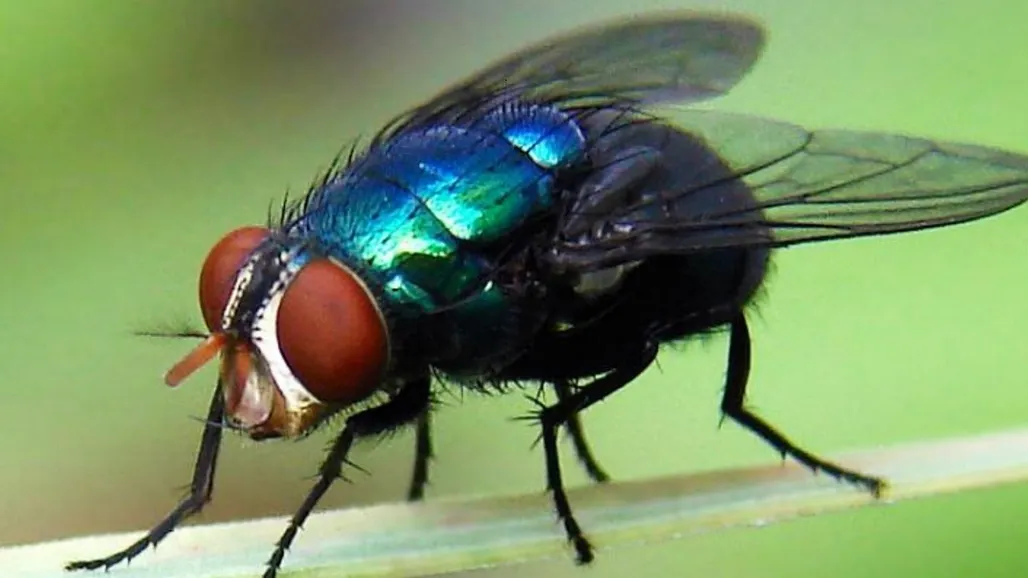
- Cochliomyia hominivorax. This is a metallic green fly that lays its eggs in open wounds of animals and humans. The larvae (screwworms) feed on living tissue, causing myiasis or screwworm infestation, a severe and painful infection. Keep wounds clean and covered. In animals, provide proper wound care and consider preventive treatments. Its primary role in the ecosystem is as a parasite, causing serious health problems in animals and, occasionally, in humans.
- Lutzomyia spp. Locally known as “manta blanca” (white blanket), these are small mosquitoes with crepuscular and nocturnal habits, common in wooded and rural areas. The females feed on blood. They are the main vectors of the parasite Leishmania, which causes leishmaniasis or “uta,” producing skin ulcers or affecting internal organs. Use insect repellent, wear protective clothing at dusk and night, and use treated mosquito nets. They are a food source for predators like spiders and insectivorous birds.
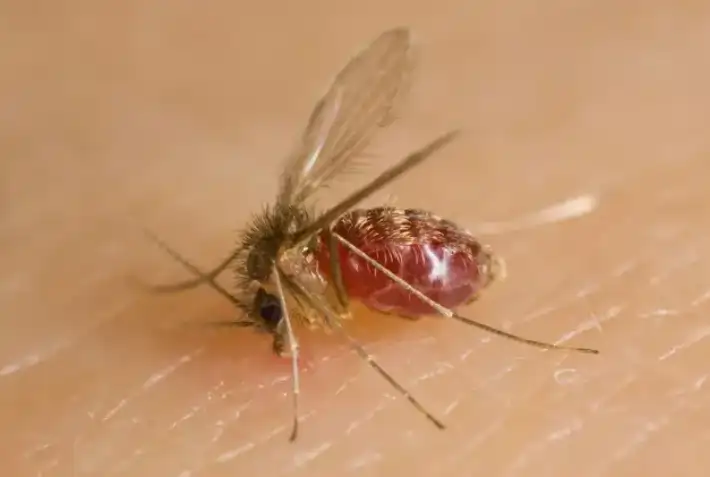
We have now reached the most dangerous species for humans in the Amazon. They belong to the Culicidae family: mosquitoes. These small insects, active during the day or at dawn and dusk/night, are vectors of viral and parasitic diseases with a significant impact on human health in the jungle. Understanding their habits and the diseases they transmit is important for prevention.
CULICIDAE (Mosquitoes)
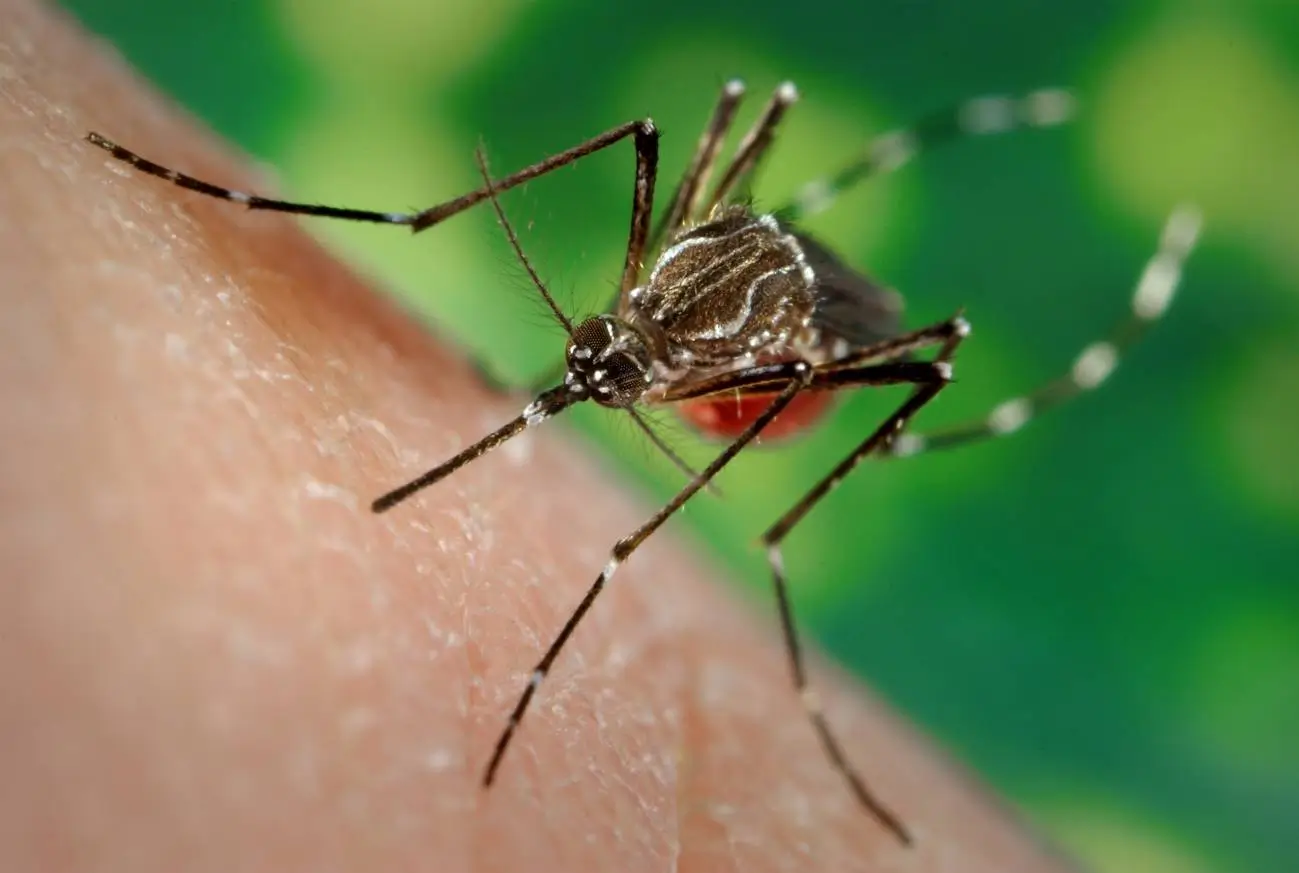
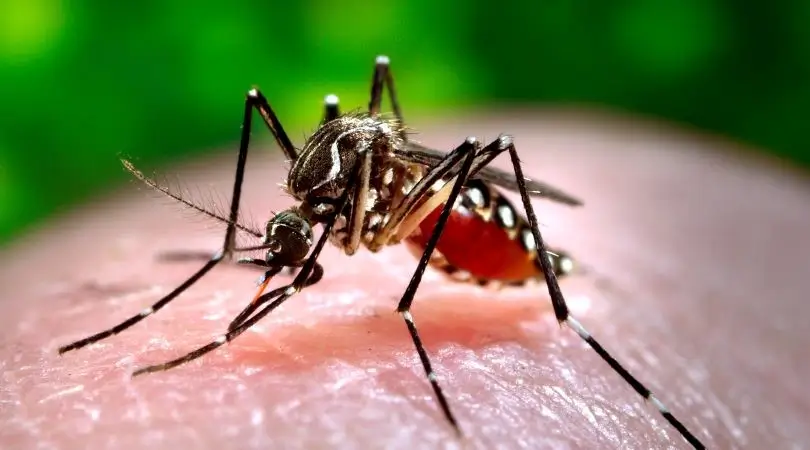
- Aedes aegypti. The tiger mosquito is active during the day. Its activity is mainly concentrated during the early morning and late afternoon. Aedes mosquitoes have black and white markings on their bodies and legs and breed in containers with stagnant water. The females bite to feed on blood. They are vectors of viral diseases such as dengue, chikungunya, and yellow fever, causing symptoms like high fever, joint pain, and rashes. Eliminate mosquito breeding sites (tires, bottles, etc.), use repellent, and mosquito nets. Their larvae feed on organic matter in the water, and adults serve as food for some predators.
- Anopheles spp. These mosquitoes are active at dawn and dusk or at night and breed in clean, stagnant water. The females bite to feed on blood. They are the vectors of the parasite Plasmodium, which causes malaria, producing fever, chills, and can be fatal. Use insecticide-treated mosquito nets, repellent, long-sleeved clothing, and avoid outdoor exposure during peak activity hours. Their larvae feed on microorganisms in the water, and the adults are a food source for nocturnal predators.
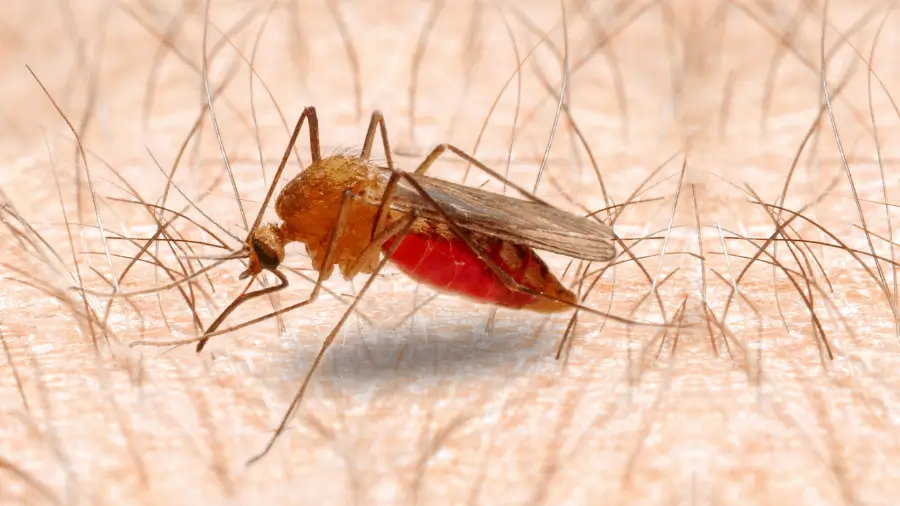
With the presentation of Aedes and Anopheles mosquitoes, we conclude this series of four articles dedicated to the species that pose a risk to humans in the Amazon rainforest.
We hope this information has been valuable in understanding the potential dangers and the necessary preventive measures for a conscious exploration of this fascinating ecosystem.
Remember that each species plays an important role in the ecosystem. Remember to respect the habitats and the animals that live in them.