A Journey into Indigenous Wisdom and Healing Traditions
In traditional Amazonian medicine, the use of kambô is believed to have various healing properties, both physically and spiritually.
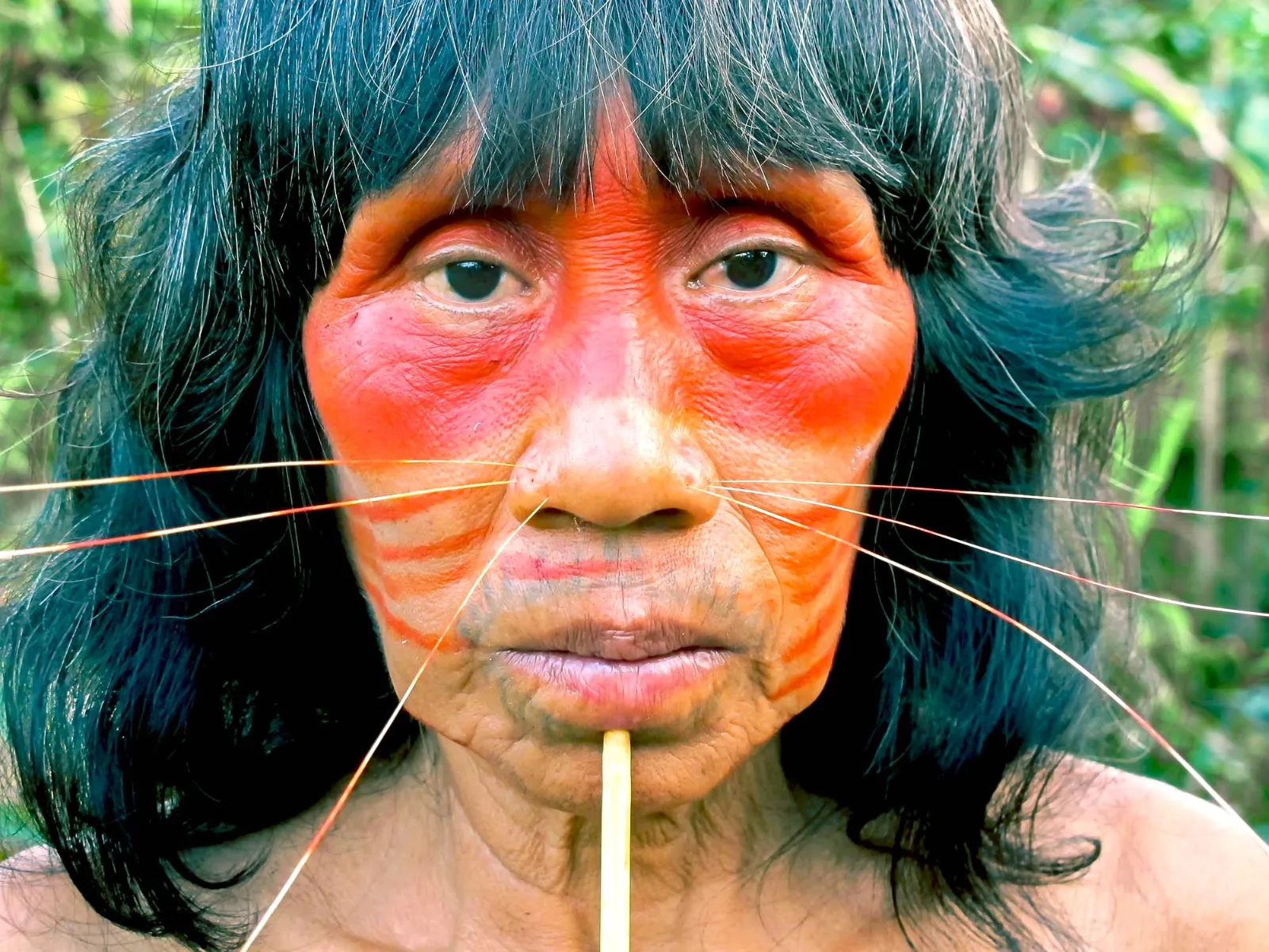
The frog medicine, known as “Sapo Medicine” in Spanish and “Kambô” or “Acate” in the ancient Matsés language, is a ceremony deeply rooted in some ethnic groups of the Amazon. The Matsés ethnicity, also known as Mayoruna, has practiced this ancient tradition passed down through generations for many years. Since time immemorial, the Matsés have trusted in the healing powers of this frog medicine, integrating it into their daily lives and sacred rituals as a source of physical, mental, and spiritual healing. It is administered by native experts who possess intimate knowledge of the rainforest and its medicinal treasures.
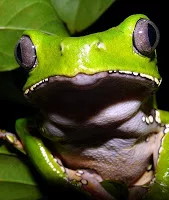
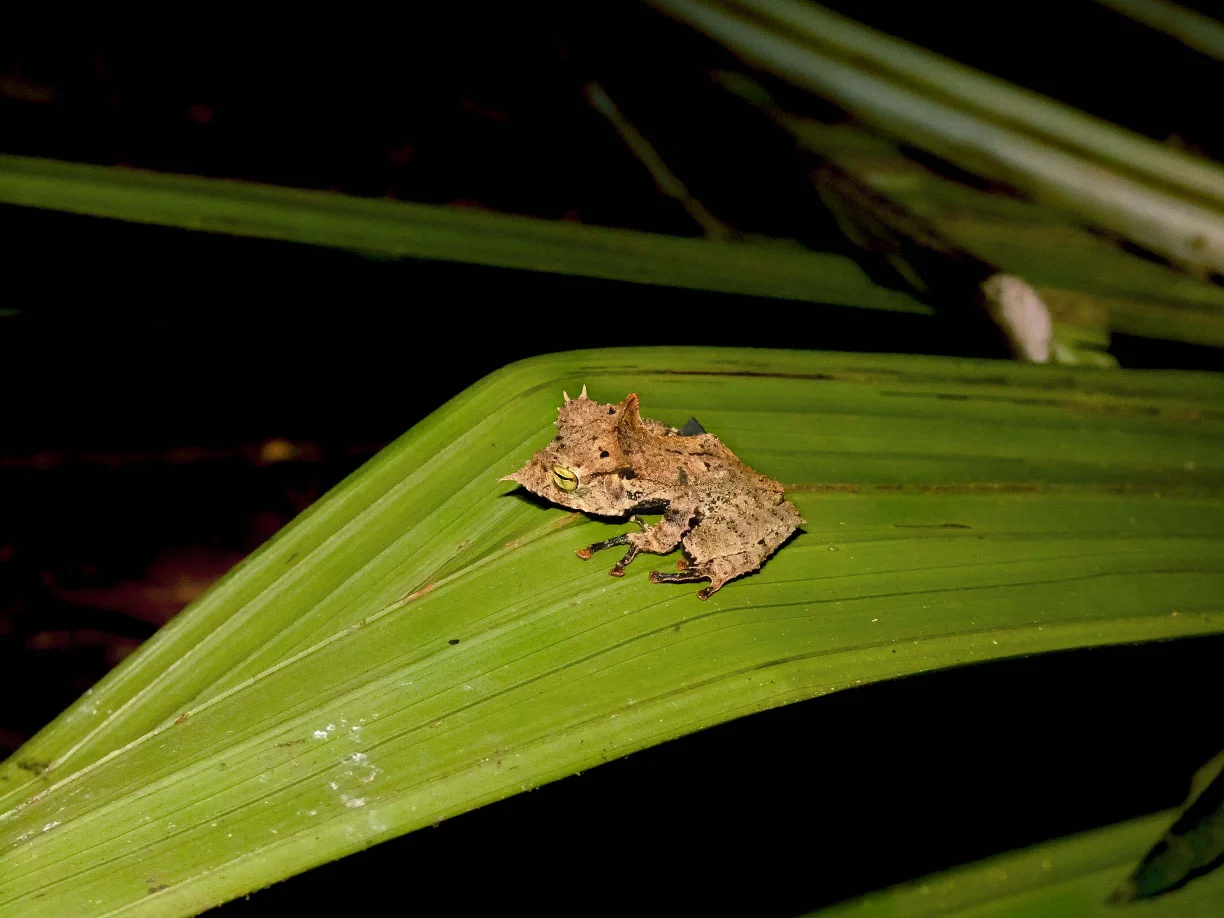
In the Matsés culture, the ceremony surrounding Kambô, begins with the delicate task of capturing the elusive giant leaf frog, scientifically known as Phyllomedusa bicolor or commonly referred to as the giant monkey frog due to its adept climbing abilities within the dense rainforest canopy.
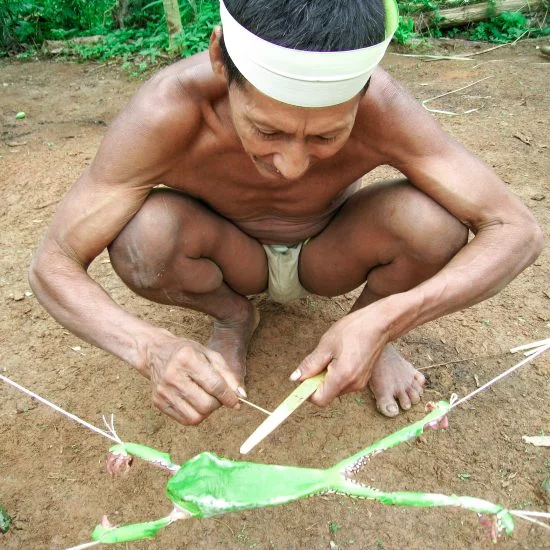
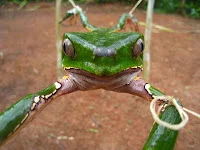
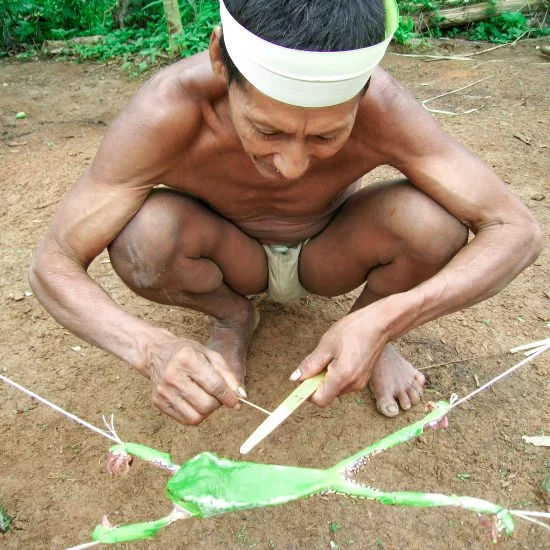
A skilled Matsés practitioner gently secures the frog’s four limbs, ensuring its safety throughout the process. Using a practiced hand, the expert carefully extracts the potent poison secreted from the frog’s back using a small wooden stick, a process that demands precision and finesse.
The collected toxin, sacred to the Matsés, finds a home on a prepared piece of wood. The unharmed frog returns to the rainforest, reflecting their respect for the Amazon’s balance.
The extracted poison is then meticulously dried and stored, ready to be utilized in the ceremonial practices that hold deep spiritual and medicinal significance for the Matsés community. This careful and reverent approach underscores the profound relationship the Matsés people have with nature and their ancient healing traditions.
Before application, the expert rehydrates the dried poison by mixing it with water or saliva. Using a thin piece of vine, known as tamshi, the expert heats it up and administers controlled burns on specific points of the participant’s arm or chest, inducing instant blistering on the skin.
The number of burn marks varies based on each individual’s tolerance level. Subsequently, the formed blisters are carefully opened one by one, and the extracted frog poison is delicately applied to the wounds.
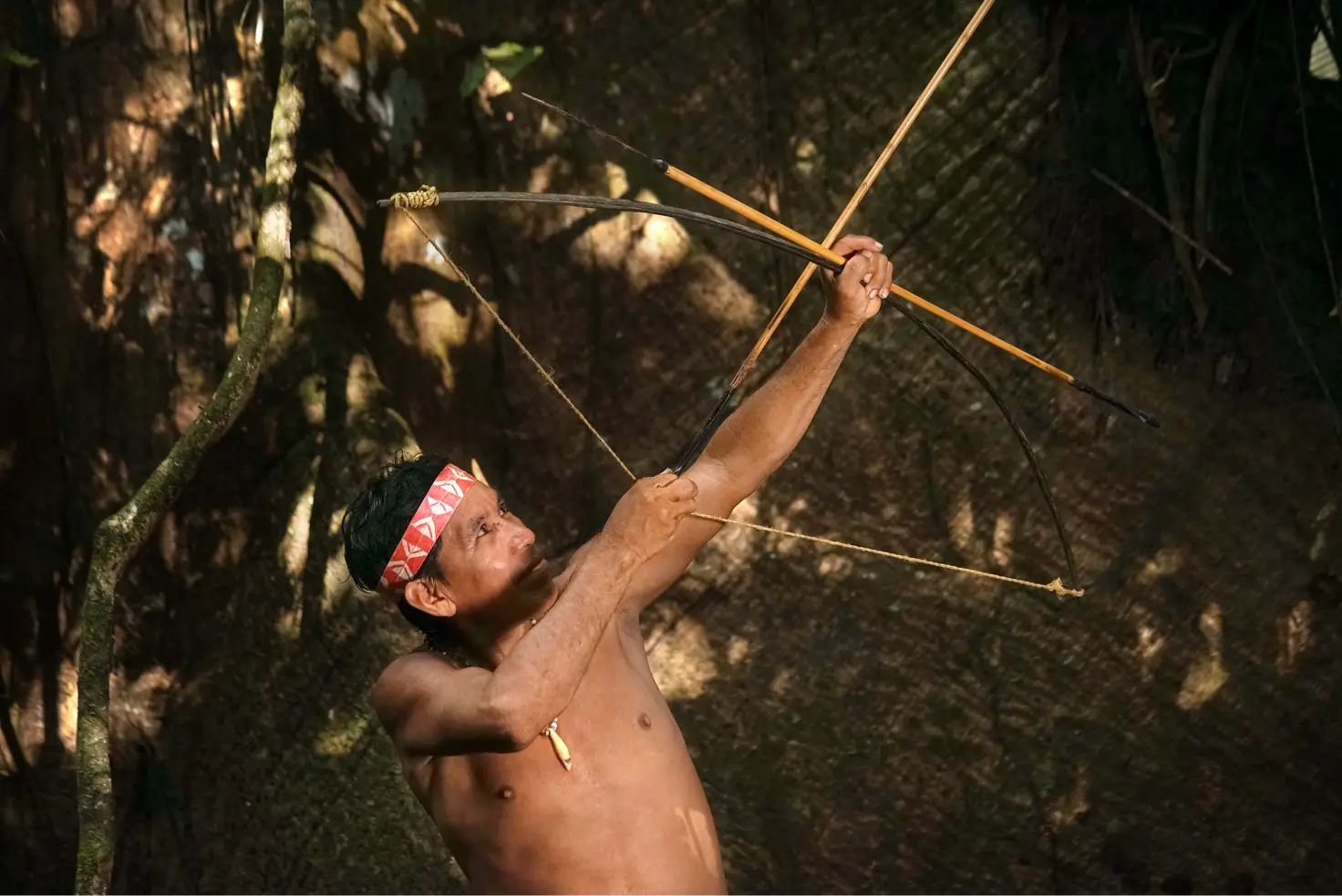
This traditional ceremony is typically conducted on rainy days by the Matsés people, aimed at harnessing additional energy, enhancing trust, and honing their archery skills for hunting endeavors. Following the application of the frog poison, the Mayoruna hunters venture into the wilderness several days later, putting their newfound vitality to the test as they aim for precision with their bows.
Research indicates that the secretion produced by the giant leaf frog contains deltorphin, which acts as an emetic, and dermorphin, a potent analgesic. This traditional practice has found application in alternative medicine, where it is utilized as a therapeutic treatment.
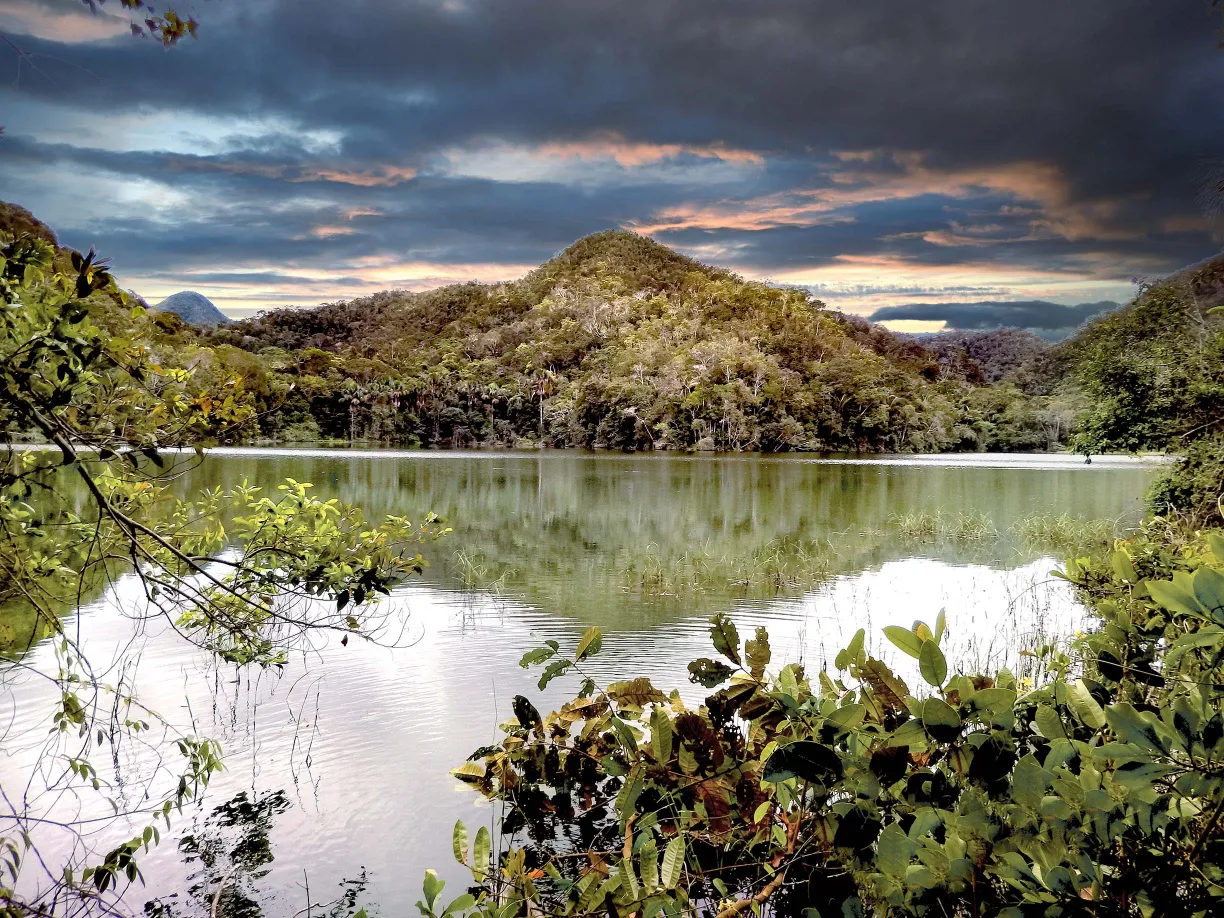
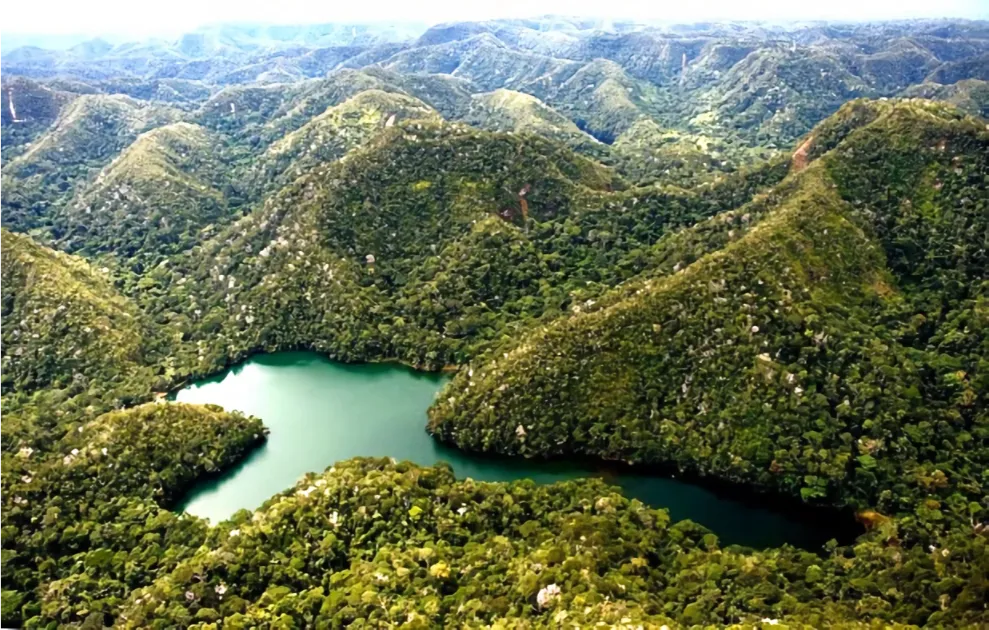
To embark on an expedition into the Matsés territory,, one must allocate a minimum of 8 days. This duration allows for thorough exploration of the vast and biodiverse landscape characteristic of the region. From navigating dense rainforests teeming with diverse flora and fauna to engaging with the rich cultural heritage of the Matsés people, each day is filled with immersive experiences and opportunities for discovery.
Additionally, the extended timeframe enables travelers to acclimate to the challenging terrain and immerse themselves fully in the rhythms of life in the Amazon.