

AMAZON EXPLORER’S BLOG
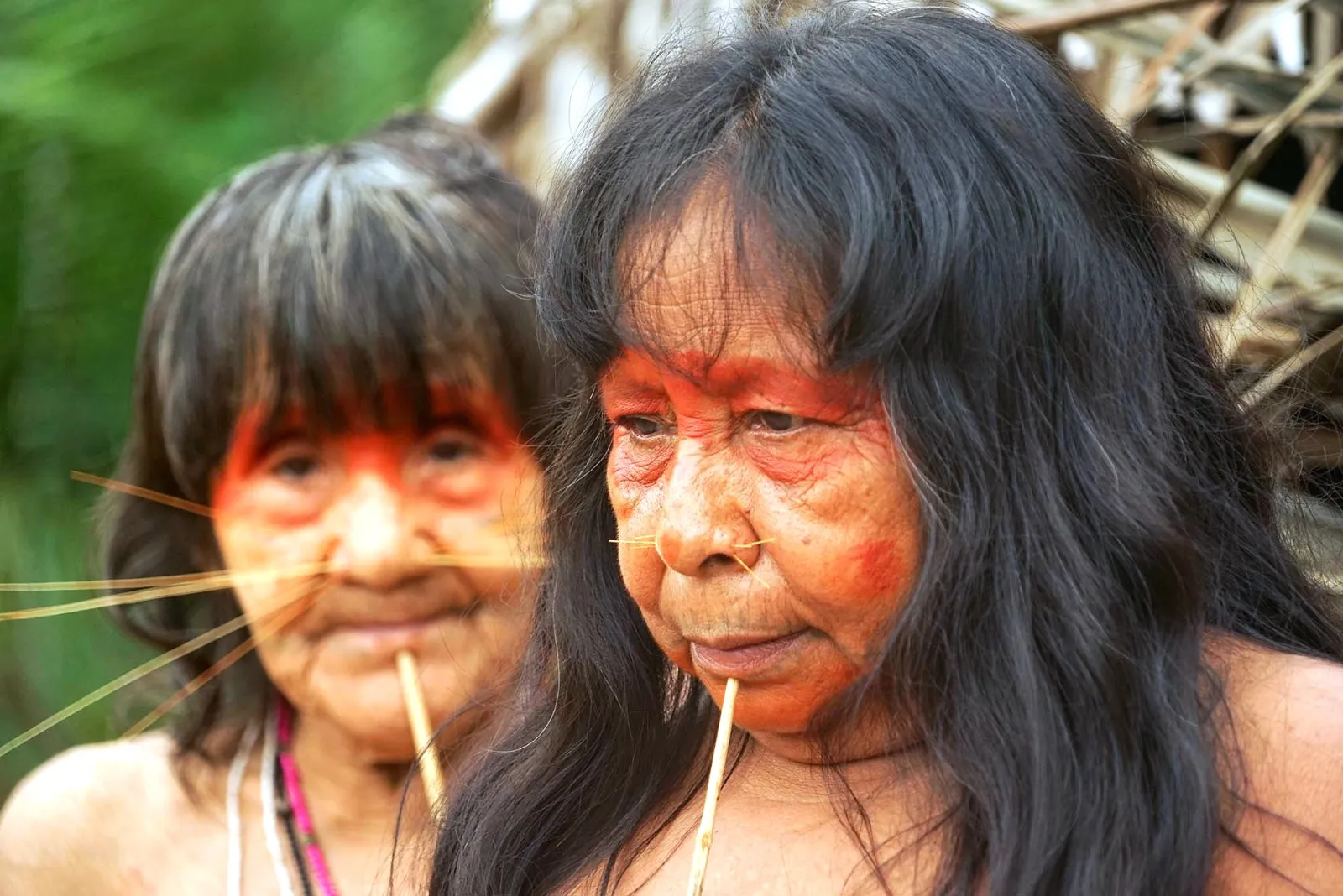
The Matsés: Guardians of the Amazon Rainforest – Part 1
Deep in the heart of the Amazon rainforest, far from conventional routes and in one of the most remote regions on Earth, lives the Matsés people. Also known as the Mayoruna, they inhabit the border between Peru and Brazil, primarily within the Javari River basin, including key tributaries such as the Gálvez and Yaquerana rivers, one of the most biodiverse and least disturbed ecosystems in the world. The Matsés are widely recognized for their profound knowledge of the rainforest, their…
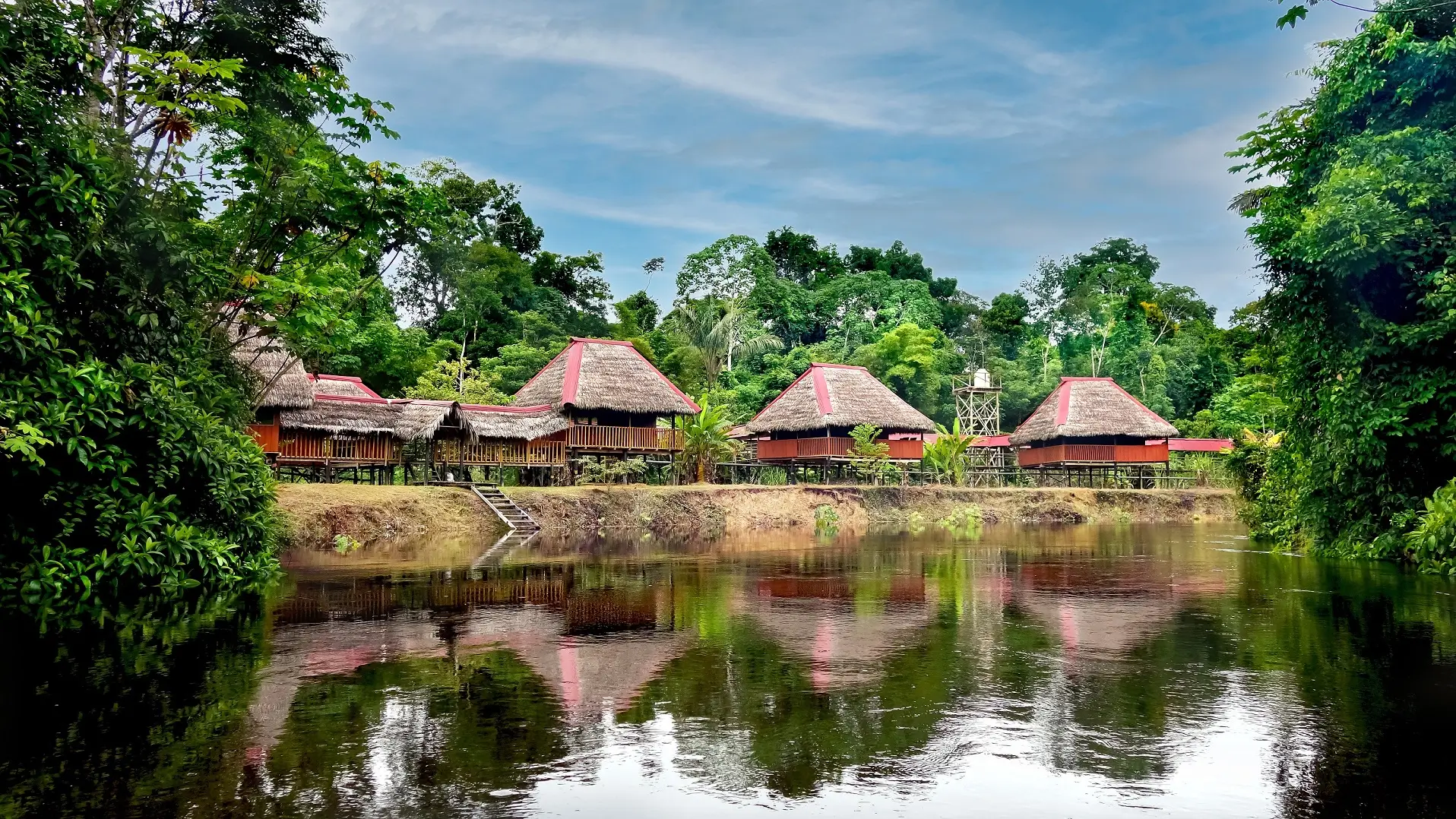
Iquitos Jungle Tours: A Guide to Choosing the Best Amazon Lodges
If you are planning a trip to the Iquitos rainforest, your first instinct is likely to book an Amazon lodge. This style of tourism in the Peruvian Amazon is the ideal gateway for those seeking an initial encounter with biodiversity without sacrificing essential comforts. However, in a market saturated with offers, it is vital to distinguish between professional services and “tourist traps.” At Amazon Explorer, as specialists in survival programs and deep jungle expeditions, we have analyzed how modern lodge…

What to Do in the Amazon Rainforest: 9 Real Expedition Experiences in Peru
If you’re planning a trip to the Amazon, you’re probably asking: what can you actually do in the Amazon rainforest beyond staying in a lodge? The Peruvian Amazon is not a theme park. It is one of the most complex ecosystems on Earth: biologically intense, physically demanding, and culturally deep. For travelers seeking more than canopy walks and comfortable cabins near Iquitos, real expedition routes exist in remote sectors of the Amazon basin. These are nine field-based experiences that define…
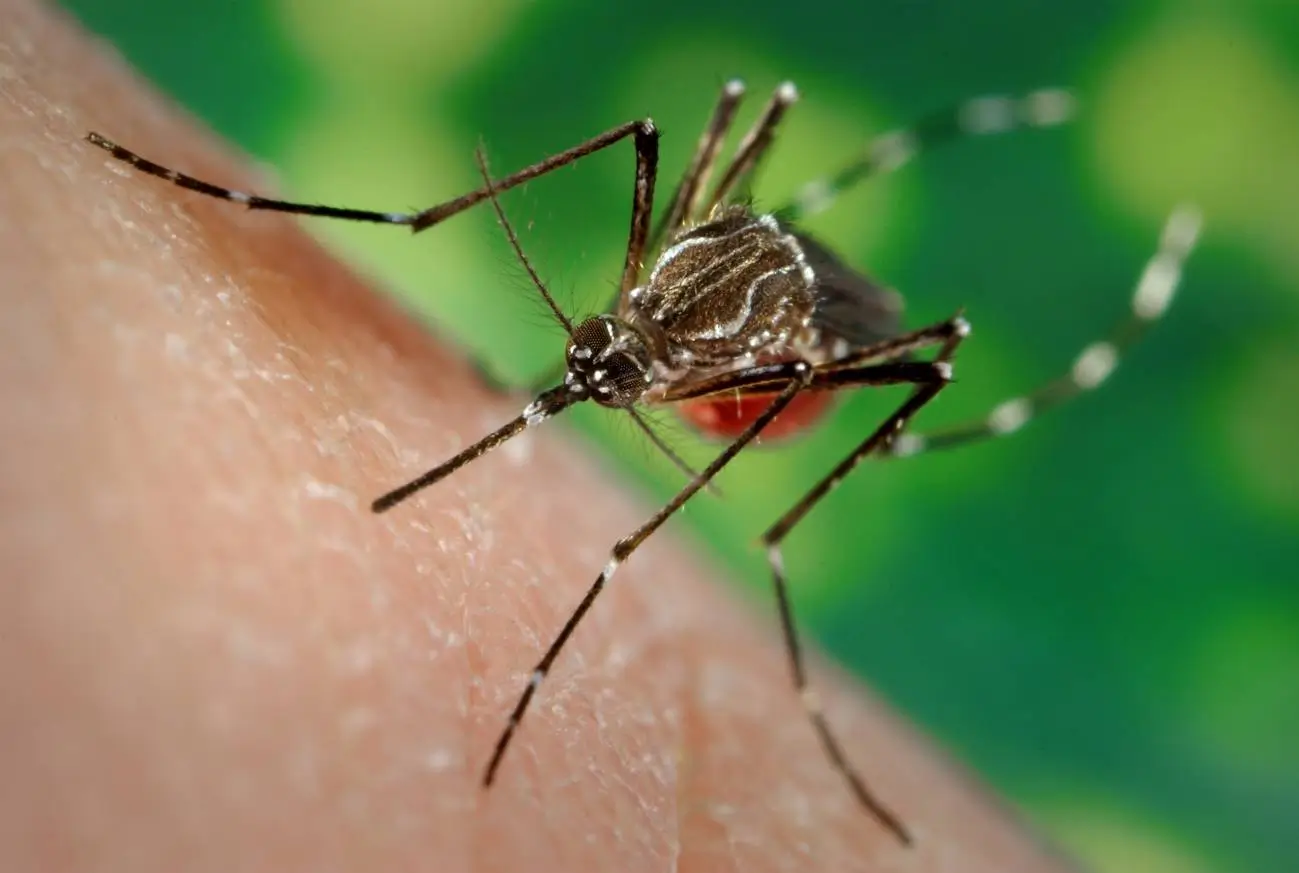
Most Dangerous Animals in The Amazon Rainforest – Part 4
We have reached the culmination of our journey through the wonders and challenges hidden within the Amazon. In previous articles, we explored everything from the silent power of snakes, caimans, and crocodiles, to the surprising danger lurking in the tiny world of insects and arthropods. In our last immersion, we discovered the necessary precautions when venturing into the waters, home to fish with unique defenses, and when traversing the jungle, where majestic mammals like the elusive huangana, the agile puma,…

Most Dangerous Animals in The Amazon Rainforest – Part 3
Our journey through the Amazon continues to unveil the fascinating and sometimes challenging aspects of this natural realm of astonishing diversity. In the first article, we explored the stealthy world of snakes and the imposing caimans and crocodiles. In the second part of this article, we discovered the universe of insects and arthropods whose small size does not diminish their potential danger. In this third article, we will venture into the waters to discover fish that, with their defenses or…

Most Dangerous Animals in The Amazon Rainforest – Part 2
An expedition into the Amazon represents an exceptional opportunity to venture into one of the most biodiverse ecosystems on the planet. The jungle is home to species that could pose a threat to travelers, requiring proper precautions and the guidance of experienced local experts. In the first part, we covered species of snakes, caimans, and crocodiles. In this second installment, we will discuss how the dangers in the Amazon are not always as large as one might expect. We will…

Most Dangerous Animals in The Amazon Rainforest – Part 1
The Amazon rainforest is one of the richest and most diverse ecosystems on the planet, hosting thousands of species of animals and plants that coexist across various habitats. However, it is also inhabited by creatures that pose threats to humans. From feared predators like the jaguar to small but deadly insects, the Amazon is home to a wide range of animals whose defensive behaviors or venomous characteristics can be lethal. Understanding these animals is not only fascinating but also essential…

Lost in the Jungle: A Fight for Survival
One of my first trips into the Amazon rainforest took me to a remote indigenous community on the border with Brazil. When I returned, the indigenous people pointed out a faint trail leading into the primary forest. With 120 kilometers (74.5 miles) ahead of me and only two indigenous guides accompanying me, I set out on a journey that would test my endurance and sense of direction. I had prepared for the adventure, but nothing could have truly prepared me…